
The car thermostat is one of the most important components in your vehicle’s cooling system. It regulates the flow of coolant between the engine and the radiator, ensuring the engine reaches and maintains the right operating temperature. Many drivers wonder: can a car work without a thermostat? While technically possible, removing or driving without a thermostat can cause serious problems for your engine and overall performance.
Table of Contents
The Role of the Car Thermostat
The thermostat acts as a temperature regulator. When the engine is cold, it stays closed, allowing the engine to warm up quickly. Once the engine reaches its optimal temperature, it opens to let coolant circulate, preventing overheating.
Without this regulation, your engine cannot maintain a stable temperature, leading to inefficiency and potential damage.
What Happens If You Drive Without a Thermostat
While a car may still run without a thermostat, the consequences are significant:
- Poor Fuel Efficiency – Without a thermostat, the engine may run too cool, preventing it from reaching the proper operating temperature. This leads to wasted fuel and higher consumption.
- Inconsistent Engine Performance – A missing thermostat can cause fluctuating temperatures, resulting in rough idling, poor acceleration, and reduced overall performance.
- Increased Wear and Tear – Running an engine too cold for long periods increases internal wear, reducing the lifespan of critical components.
- Risk of Overheating – Ironically, removing the thermostat can also cause overheating. Coolant may circulate too quickly, not staying in the radiator long enough to cool down properly.
- Damage to the Cooling System – Over time, the lack of a thermostat can damage the radiator, hoses, and even the engine block.
Why You Should Never Remove the Thermostat
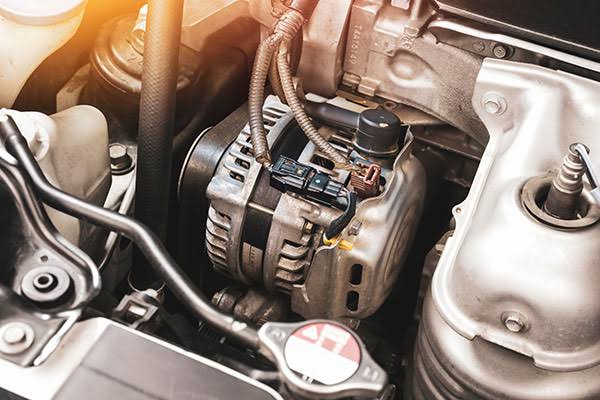
The car thermostat is designed to keep your engine operating at its best. Removing it may seem like a quick fix for overheating problems, but it only creates bigger issues. If your thermostat is faulty, the best solution is to replace it with a new one rather than driving without it.
Signs of a Bad Thermostat
Recognizing thermostat problems early can save you from costly repairs. Common symptoms include:
- Engine overheating
- Temperature gauge fluctuating between hot and cold
- Heater not blowing warm air
- Coolant leaks or boiling noises under the hood
- Engine running too cool and wasting fuel
How to Fix Thermostat Issues
If you suspect your thermostat is failing:
- Diagnose the problem – Use a scan tool or observe temperature fluctuations.
- Replace the thermostat – This is a relatively inexpensive repair.
- Check coolant levels – Ensure the system has the correct fluid mix.
- Inspect hoses and radiator – Look for leaks or blockages.
- Flush the cooling system – Prevent buildup of rust or debris.
Preventive Maintenance Tips
- Avoid carrying heavy keychains that strain the ignition cylinder (for mechanical thermostats, gentle handling matters).
- Schedule regular coolant checks every few months.
- Flush the radiator every 1–2 years to prevent buildup.
- Inspect the thermostat during servicing to catch issues early.
- Drive smart – Avoid prolonged idling in extreme heat.
Final Thoughts
So, can a car work without a thermostat? Technically yes, but it’s highly unsafe and inefficient. The thermostat ensures proper temperature regulation, fuel efficiency, and engine protection. Driving without it risks poor performance, overheating, and costly damage.
If you suspect thermostat problems, replacing it promptly is the smartest way to keep your car reliable and road‑ready. A well‑maintained cooling system not only protects your engine but also ensures smoother, safer journeys.
If you have any questions, you can ask our mechanics on a live chat here or download our mobile app from Apple AppStore and Google Playstore. You can also download our G-OBD AI Diagnostics App on Playstore here.
Leave a Reply