Table of Contents
Engine Oil Leaks Repair: What Happens If Engine Oil Leaks?
Engine oil is essential for keeping your vehicle running smoothly. It lubricates engine parts, reduces friction, and prevents overheating. When oil begins to leak, the engine loses protection, and serious damage can occur quickly. That is why engine oil leaks repair should never be delayed.
Many drivers ignore small oil leaks, thinking they are harmless. However, even a minor leak can lead to major engine failure if left unattended. Understanding the risks, warning signs, and repair options can help you protect your vehicle and avoid expensive repairs.
In this guide, you will learn what happens when engine oil leaks, the most common causes, how repairs work, and how to prevent future leaks.
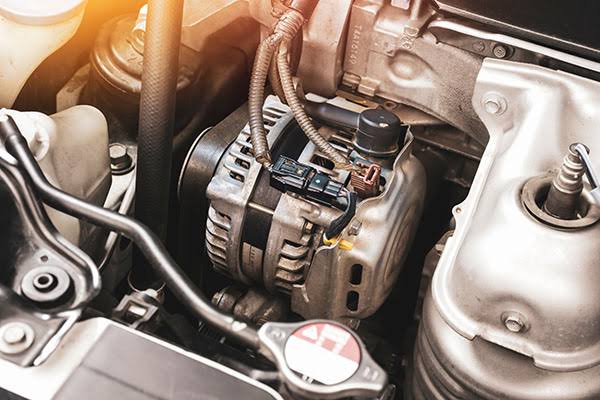
What Happens If Engine Oil Leaks?
When engine oil leaks, the engine loses lubrication. This increases friction between moving parts and causes the engine temperature to rise.
Without proper engine oil leaks repair, the following problems can occur:
- Engine overheating
- Increased engine wear
- Reduced fuel efficiency
- Burning smell from the engine
- Engine seizure or failure
- Expensive repair costs
In severe cases, oil leaks can cause complete engine breakdown.
7 Warning Signs You Need Engine Oil Leaks Repair
Recognizing early warning signs can prevent major damage to your vehicle.
1. Oil Spots Under Your Vehicle
One of the most obvious signs of an oil leak is seeing dark spots under your car.
You may notice:
- Brown or black liquid on the ground
- Oil stains in your parking area
- Dripping fluid under the engine
This is often the first sign that engine oil leaks repair is needed.
2. Burning Oil Smell
A strong burning smell while driving can indicate leaking oil contacting hot engine components.
Common causes include:
- Oil dripping onto the exhaust
- Overheated engine parts
- Damaged seals
This smell should never be ignored.
3. Low Engine Oil Level
If your engine oil level drops quickly, it may be leaking.
You might observe:
- Frequent need to refill oil
- Oil warning light on dashboard
- Reduced engine performance
Regular oil checks help detect problems early.
4. Engine Overheating
Oil helps cool engine components. When oil leaks, the engine temperature can rise rapidly.
Symptoms include:
- High temperature gauge reading
- Steam from the engine
- Warning lights on dashboard
Immediate engine oil leaks repair can prevent engine damage.
5. Blue Smoke from the Exhaust
Blue smoke is a clear sign that oil is leaking into the combustion chamber.
This can happen due to:
- Worn piston rings
- Damaged valve seals
- Engine gasket failure
This issue requires urgent attention.
6. Engine Performance Problems
Oil leaks can affect engine performance and efficiency.
You may notice:
- Reduced acceleration
- Engine knocking noise
- Rough engine operation
- Poor fuel economy
Fixing the leak restores normal engine performance.
7. Oil Warning Light on Dashboard
Modern vehicles have sensors that detect low oil pressure.
If the oil warning light turns on, it may indicate:
- Oil leakage
- Low oil level
- Oil pump problem
- Engine lubrication failure
Never ignore this warning.
Common Causes of Engine Oil Leaks
Understanding the causes helps you prevent future problems.
Most Common Causes
- Worn engine gaskets
- Damaged oil seals
- Loose oil filter
- Cracked oil pan
- High engine temperature
- Poor maintenance
Regular servicing reduces the risk of leaks.
How Much Does Engine Oil Leaks Repair Cost?
The cost of engine oil leaks repair depends on the source of the leak and the vehicle type.
Typical repair costs include:
- Oil gasket replacement: ₦40,000 to ₦120,000
- Oil pan repair: ₦50,000 to ₦150,000
- Valve seal replacement: ₦60,000 to ₦180,000
- Engine cleaning and inspection: ₦15,000 to ₦40,000
Repairing leaks early is usually cheaper than replacing engine components.
Can You Drive with an Engine Oil Leak?
Driving with an oil leak is risky and strongly discouraged.
Possible consequences include:
- Severe engine damage
- Engine overheating
- Fire hazard
- Reduced vehicle performance
- Sudden breakdown
Even a small leak can become dangerous over time.
How Mechanics Perform Engine Oil Leaks Repair
Professional mechanics follow a step-by-step process to fix oil leaks.
Typical Repair Process
- Inspect the engine for leak sources
- Clean the engine surface
- Replace damaged seals or gaskets
- Refill engine oil
- Test the engine for leaks
This process ensures the problem is completely resolved.
How to Prevent Engine Oil Leaks
Preventive maintenance is the best way to avoid costly repairs.
Prevention Tips
- Check engine oil regularly
- Replace oil at recommended intervals
- Inspect engine seals and gaskets
- Fix overheating problems quickly
- Use high-quality engine oil
- Schedule routine vehicle maintenance
These steps help extend engine life and improve performance.
When Should You Seek Immediate Engine Oil Leaks Repair?
You should seek professional help immediately if:
- Oil leaks increase suddenly
- Engine overheats frequently
- Oil warning light stays on
- Burning smell becomes stronger
- Engine makes unusual noise
Prompt repair prevents major damage.
Where to Get Help
If you’re unsure about your brake condition or need expert advice, you can easily reach out for help. Professional assistance can prevent small issues from turning into expensive repairs.
You can ask professional mechanics here:
https://askamechanic.asoroautomotive.com/
You can also access support here:
https://admin.asoroautomotive.com/
Or download the mobile app:
Apple App Store:
https://apps.apple.com/ng/app/ask-a-mechanic-app/id6758545607
Google Play Store:
https://play.google.com/store/apps/details?id=co.median.android.krrjkbd
You can also download the G-OBD AI Diagnostics App here:
https://play.google.com/store/apps/details?id=com.asoro.automotive
Getting professional help quickly can improve vehicle safety, reduce repair costs, and keep your vehicle running smoothly.
Conclusion
Engine oil leaks are a serious problem that should never be ignored. Without proper engine oil leaks repair, your vehicle can suffer overheating, reduced performance, and expensive engine damage. Recognizing early warning signs, performing regular maintenance, and seeking professional assistance are the best ways to protect your vehicle.
Fixing oil leaks early saves money, improves safety, and keeps your engine running efficiently.
Leave a Reply