
Table of Contents
Can a Car Work Without a Car Thermostat?
Yes, a car can technically run without a Car Thermostat, but it is not safe or recommended. Removing or driving without a thermostat can cause serious engine problems, poor fuel efficiency, and long-term damage.
The Thermostat plays a critical role in regulating engine temperature. It ensures the engine warms up quickly and stays within the proper temperature range. Without it, the engine may run too cold or overheat unexpectedly.
Many drivers remove the thermostat temporarily when facing overheating issues, thinking it will solve the problem. In reality, this can make the situation worse and lead to costly repairs.
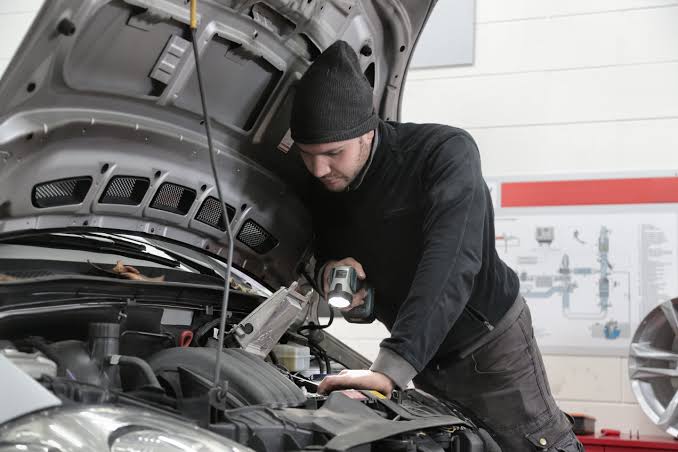
What Does a Car Thermostat Do?
The Thermostat is a small but essential component of the engine cooling system. It controls the flow of coolant between the engine and the radiator.
Main Functions of a Car Thermostat
- Regulates engine temperature
- Controls coolant circulation
- Prevents engine overheating
- Helps the engine warm up quickly
- Improves fuel efficiency
- Reduces engine wear
Without a properly functioning Thermostat, the engine cannot maintain the correct operating temperature.
What Happens If You Drive Without a Car Thermostat?
Driving without a Thermostat can cause several mechanical and performance problems.
Common Problems
1. Engine Runs Too Cold
The engine may never reach its optimal temperature, which reduces efficiency and performance.
Effects include:
- Poor fuel economy
- Increased engine wear
- Weak heater performance
- Sluggish acceleration
2. Engine Overheating
Many people believe removing the thermostat prevents overheating. However, the opposite can happen.
Without a Thermostat, coolant flows too quickly and may not cool properly, leading to overheating.
3. Increased Fuel Consumption
Engines are designed to operate within a specific temperature range. When the engine runs too cold, it burns more fuel.
This leads to:
- Higher fuel costs
- Reduced engine efficiency
- Increased emissions
4. Engine Damage
Long-term driving without a Thermostat can cause internal engine damage.
Potential damage includes:
- Worn piston rings
- Cylinder damage
- Sludge buildup
- Reduced engine lifespan
5. Poor Heater Performance
The vehicle heater relies on hot engine coolant. Without a thermostat, the engine may not produce enough heat.
This results in:
- Weak cabin heating
- Foggy windows
- Uncomfortable driving conditions
Signs of a Faulty Car Thermostat
Recognizing thermostat problems early can prevent serious engine damage.
Common Symptoms
- Engine overheating
- Temperature gauge fluctuating
- Poor heater performance
- Coolant leaks
- Engine takes too long to warm up
- Warning lights on the dashboard
- Reduced fuel efficiency
If you notice these symptoms, your Thermostat may need replacement.
Why Some Drivers Remove the Car Thermostat
Drivers sometimes remove the thermostat as a temporary fix when dealing with overheating issues.
Common Reasons
- Engine overheating
- Lack of replacement parts
- Emergency roadside repair
- Misdiagnosis of cooling system problems
However, removing the thermostat does not fix the root cause of overheating. It only masks the problem temporarily.
Is It Safe to Drive Without a Car Thermostat?
Driving without a Thermostat may be possible for a very short distance in an emergency, but it should never be a long-term solution.
Safe Driving Guidelines
You may drive briefly without a thermostat only if:
- You are heading directly to a repair shop
- The engine temperature is monitored closely
- The distance is short
- The vehicle is not under heavy load
Otherwise, driving without a thermostat can lead to severe engine damage.
How Much Does It Cost to Replace a Car Thermostat?
Replacing a Thermostat is usually affordable compared to engine repairs caused by overheating.
Typical Replacement Costs
- Thermostat part: ₦10,000 to ₦35,000
- Labor cost: ₦15,000 to ₦40,000
- Total replacement cost: ₦25,000 to ₦75,000
Replacing the thermostat early prevents expensive repairs later.
How to Prevent Car Thermostat Problems
Regular maintenance helps ensure the thermostat works properly.
Prevention Tips
- Check coolant levels regularly
- Replace coolant on schedule
- Inspect the cooling system
- Fix overheating issues immediately
- Use quality replacement parts
- Schedule routine vehicle servicing
Preventive maintenance reduces the risk of thermostat failure.
When Should You Replace a Car Thermostat?
You should replace your Car Thermostat if:
- The engine overheats frequently
- Temperature gauge behaves abnormally
- Coolant leaks are visible
- Heater performance is poor
- Vehicle mileage is high
- The thermostat is stuck open or closed
Replacing the thermostat early protects your engine and improves performance.
Where to Get Help
If you’re unsure about your car condition or need expert advice, you can easily reach out for help. Early assistance can help diagnose thermostat problems quickly and prevent costly engine damage.
You can ask professional mechanics here:
https://askamechanic.asoroautomotive.com/
You can also access support here:
https://admin.asoroautomotive.com/
Or download the mobile app:
Apple App Store:
https://apps.apple.com/ng/app/ask-a-mechanic-app/id6758545607
Google Play Store:
https://play.google.com/store/apps/details?id=co.median.android.krrjkbd
You can also download the G-OBD AI Diagnostics App here:
https://play.google.com/store/apps/details?id=com.asoro.automotive
Getting expert help early can protect your engine, improve vehicle safety, and reduce repair costs.
Conclusion
A Car Thermostat is a small component with a big responsibility. While a car may run without it temporarily, doing so can cause overheating, poor fuel efficiency, and long-term engine damage.
Replacing a faulty thermostat quickly is one of the simplest and most cost-effective ways to protect your engine, maintain performance, and avoid expensive repairs.
Leave a Reply