
Table of Contents
Why It’s Important to Change Thermostat in Your Car
Your car’s thermostat is a small but critical component in the engine cooling system. It regulates the flow of coolant between the engine and radiator, helping maintain the correct operating temperature. When the thermostat fails, the engine may overheat or run too cold, leading to poor performance and potential damage.
Knowing when to change thermostat can prevent breakdowns, improve fuel efficiency, and protect your engine from costly repairs. Many drivers overlook thermostat problems because the symptoms can start gradually. However, ignoring early warning signs can lead to severe engine overheating.
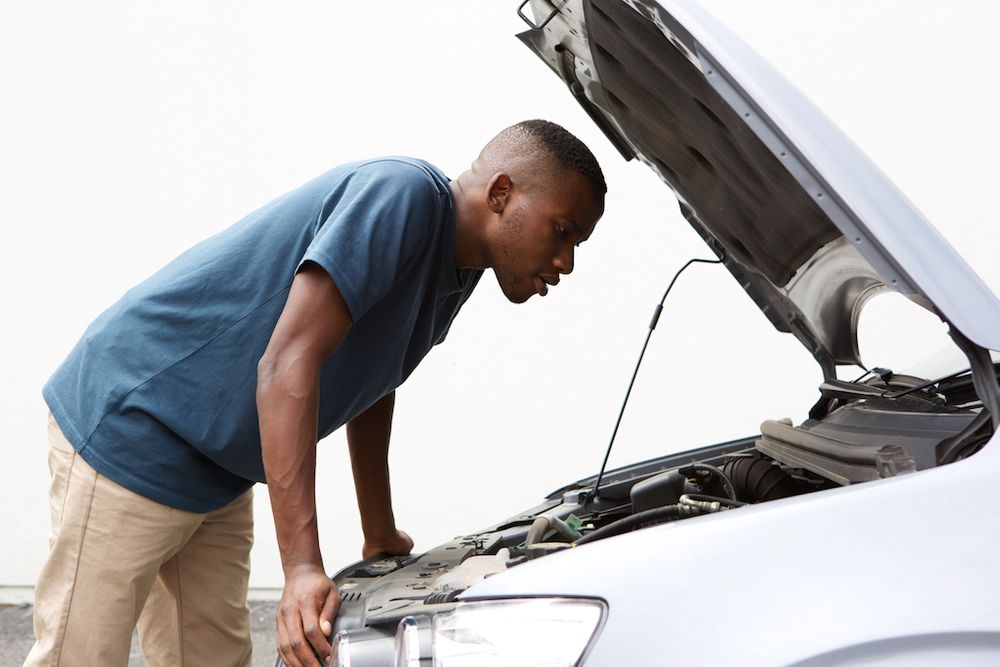
What Does a Car Thermostat Do?
The thermostat controls coolant flow based on engine temperature. When the engine is cold, it stays closed to help the engine warm up quickly. Once the engine reaches the proper temperature, the thermostat opens to allow coolant to circulate.
Key Functions of a Car Thermostat
- Regulates engine temperature
- Prevents engine overheating
- Improves fuel efficiency
- Reduces engine wear
- Helps maintain optimal performance
If the thermostat stops working properly, you may need to change thermostat immediately.
Signs You Need to Change Thermostat
Recognizing the symptoms early helps prevent engine damage.
1. Engine Overheating
Overheating is the most common sign of a faulty thermostat.
Why It Happens
The thermostat may be stuck closed, preventing coolant from flowing.
Risk
- Engine damage
- Warped cylinder head
- Engine failure
If your engine overheats frequently, it may be time to change thermostat.
2. Temperature Gauge Fluctuations
If your dashboard temperature gauge moves up and down unexpectedly, the thermostat may be failing.
Possible Causes
- Thermostat stuck open
- Faulty temperature regulation
Risk
Unstable engine temperature reduces performance and efficiency.
3. Poor Heater Performance
Your vehicle’s heater depends on proper coolant flow.
Warning Signs
- Weak cabin heat
- Heater blowing cold air
- Slow warm-up time
Risk
A malfunctioning thermostat disrupts heat circulation.
4. Coolant Leaks Near the Thermostat Housing
A damaged thermostat or housing may cause coolant leaks.
Symptoms
- Coolant puddles under the vehicle
- Low coolant level
- Visible moisture around engine components
Risk
Coolant loss increases the chance of overheating.
5. Engine Running Too Cold
A thermostat stuck open can prevent the engine from reaching the correct temperature.
Warning Signs
- Poor fuel efficiency
- Reduced engine performance
- Check engine light
Risk
Running too cold increases fuel consumption and engine wear.
Common Causes of Thermostat Failure
Understanding the causes helps prevent future problems.
Most Frequent Causes
- Aging components
- Corrosion
- Dirt and debris buildup
- Coolant contamination
- Overheating engine
- Poor maintenance
These issues can cause the thermostat to stick open or closed.
How Often Should You Change Thermostat?
Most vehicle manufacturers recommend replacing the thermostat every:
Typical Replacement Interval
- Every 80,000 to 120,000 kilometers
- During major cooling system service
- When replacing the water pump or radiator
However, you should change thermostat immediately if warning signs appear.
How Much Does It Cost to Change Thermostat?
The cost of thermostat replacement depends on the vehicle model and labor charges.
Typical Thermostat Replacement Costs
- Thermostat replacement: ₦20,000 to ₦60,000
- Coolant refill: ₦8,000 to ₦25,000
- Labor cost: ₦10,000 to ₦40,000
- Cooling system flush: ₦25,000 to ₦70,000
Replacing the thermostat early is far cheaper than repairing engine damage.
Steps Involved When You Change Thermostat
Understanding the process helps drivers know what to expect during repair.
Basic Replacement Process
- Turn off the engine and allow it to cool
- Drain coolant from the radiator
- Remove the old thermostat
- Install the new thermostat
- Refill coolant
- Test engine temperature
This process usually takes less than two hours.
Risks of Not Replacing a Faulty Thermostat
Delaying a thermostat replacement can lead to serious engine problems.
Possible Consequences
- Engine overheating
- Engine failure
- Reduced fuel efficiency
- Increased repair costs
- Vehicle breakdown
- Shortened engine lifespan
Early action prevents expensive repairs.
How to Prevent Thermostat Problems
Preventive maintenance reduces the likelihood of thermostat failure.
Prevention Tips
- Check coolant levels regularly
- Replace coolant as recommended
- Inspect hoses and radiator
- Avoid engine overheating
- Perform routine vehicle servicing
- Fix cooling system issues quickly
These steps help maintain a healthy cooling system.
When Should You See a Mechanic?
You should seek professional help immediately if:
- Your engine overheats frequently
- The temperature gauge behaves abnormally
- Coolant leaks are visible
- The heater stops working
- The engine runs too cold
- Warning lights appear on the dashboard
Professional diagnosis ensures accurate repair.
Where to Get Help
If you’re unsure about your car condition or need expert advice, you can easily reach out for help. Getting professional guidance early can help you safely change thermostat and prevent engine damage.
You can ask professional mechanics here:
https://askamechanic.asoroautomotive.com/
You can also access support here:
https://admin.asoroautomotive.com/
Or download the mobile app:
Apple App Store:
https://apps.apple.com/ng/app/ask-a-mechanic-app/id6758545607
Google Play Store:
https://play.google.com/store/apps/details?id=co.median.android.krrjkbd
You can also download the G-OBD AI Diagnostics App here:
https://play.google.com/store/apps/details?id=com.asoro.automotive
Getting expert help quickly can protect your engine, improve vehicle reliability, and reduce repair costs.
Conclusion
Knowing when to change thermostat is essential for maintaining engine health and preventing overheating. Although the thermostat is a small component, it plays a major role in protecting your vehicle.
Regular inspections, proper maintenance, and timely replacement are the best ways to ensure your cooling system works efficiently and your engine stays safe for years to come.
Leave a Reply