
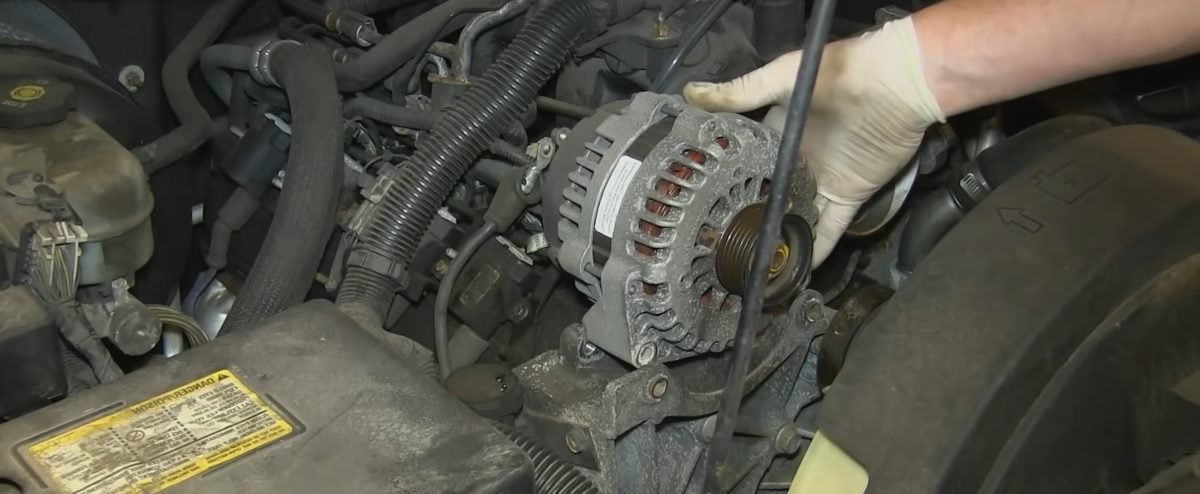
A failing fuel pump rarely announces itself clearly. Instead, it gives subtle warning signs that many drivers ignore—until the car refuses to start or suddenly stalls on the road.
Understanding these warning signs early can save you from unexpected breakdowns, costly repairs, and dangerous driving situations.
In this guide, you’ll learn how to recognize when your fuel system is in trouble and what steps to take before things get worse.
Table of Contents
What Does a Fuel Pump Do?

The fuel pump is responsible for moving fuel from the tank to the engine at the correct pressure. This pressure is critical because modern engines depend on precise fuel delivery for proper combustion.
When the pump begins to fail:
- Fuel flow becomes inconsistent
- Engine performance drops
- Starting problems begin
Without proper fuel delivery, your car simply cannot run efficiently—or at all.
Early Warning Signs of a Failing Fuel Pump
Recognizing the symptoms early is the key to avoiding bigger problems.
1. Engine Cranks but Won’t Start
One of the most common warning signs is when:
- The engine turns over normally
- But refuses to start
This usually means fuel is not reaching the engine, even though other systems are working.
2. Difficulty Starting the Car
A weak pump may still function but struggle to build enough pressure quickly.
You may notice:
- Longer cranking time before the engine starts
- Multiple attempts needed to start
This is often an early-stage warning that should not be ignored.
3. Sudden Loss of Power While Driving
As the pump weakens, it may fail to keep up with fuel demand.
This leads to:
- Loss of power during acceleration
- Struggling on hills or highways
- Engine hesitation
This condition can worsen quickly if not addressed.
4. Engine Stalling Without Warning
A failing pump can stop working intermittently.
Result:
- The engine suddenly shuts off
- Especially during high-speed driving or heavy load
This is not just inconvenient—it’s a serious safety risk.
5. Unusual Noise from the Fuel Tank
A healthy pump produces a soft hum. When it starts failing, the sound often changes.
Listen for:
- Loud whining
- Buzzing noises from the rear of the car
These sounds indicate the pump is under stress.
6. Engine Surging or Jerking
Inconsistent fuel pressure can cause irregular engine behavior.
Symptoms include:
- Sudden speed changes without pressing the accelerator
- Jerking at steady speeds
This happens because the engine is receiving uneven fuel supply.
7. Poor Fuel Efficiency
A failing pump can disrupt the air-fuel mixture.
You may notice:
- Increased fuel consumption
- More frequent refueling
Although subtle, this is often part of a bigger underlying issue.
Simple Test to Confirm Fuel Pump Issues
Before replacing anything, try this quick check:
The Priming Test
- Turn the ignition key to ON (do not start the engine)
- Listen near the fuel tank
- A working pump produces a soft humming sound for a few seconds
- No sound may indicate a problem
However, keep in mind:
- A bad fuse or relay can also cause silence
- Proper diagnosis is still necessary
What Causes Fuel Pump Failure?
Several factors contribute to pump wear and failure:
- Driving with low fuel frequently
Fuel cools the pump. Low levels cause overheating. - Contaminated fuel
Dirt and water damage internal components. - Clogged fuel filter
Restricts flow and increases strain. - Electrical issues
Faulty wiring or relays can interrupt operation. - Normal wear over time
Components degrade with use.
Why You Should Act Quickly
Ignoring these warning signs can lead to:
- Complete engine failure to start
- Being stranded unexpectedly
- Expensive repairs (including catalytic converter damage)
- Dangerous driving situations
Addressing the issue early is always cheaper and safer.
Get Professional Help
If you’re unsure about your vehicle’s condition or want accurate diagnosis, you can use the platforms below:
- You can ask professional mechanics here:
https://askamechanic.asoroautomotive.com/ - You can also access support here:
https://admin.asoroautomotive.com/ - Or download the mobile app:
Apple App Store: https://apps.apple.com/ng/app/ask-a-mechanic-app/id6758545607
Google Play Store: https://play.google.com/store/apps/details?id=co.median.android.krrjkbd - You can also download the G-OBD AI Diagnostics App here:
https://play.google.com/store/apps/details?id=com.asoro.automotive
Final Thoughts
A failing fuel pump doesn’t always stop your car immediately—but it always leaves clues. The key is knowing what to look for and taking action before the problem escalates.
If your car shows any of these warning signs, don’t guess. Diagnose properly, fix early, and keep your vehicle running reliably.
Leave a Reply