
Experiencing car overheating can be alarming. A rising temperature gauge or steam from under the hood indicates a serious problem that can damage your engine if left unchecked. Overheating doesn’t just affect your car’s performance—it can lead to costly repairs and leave you stranded.
Understanding the common causes of car overheating helps you identify issues early, prevent damage, and keep your vehicle running safely.
Table of Contents
Here are the 10 most common reasons why your car may be overheating:
1. Low Coolant Levels
Coolant (antifreeze) is essential for regulating your engine’s temperature. If your car’s coolant is low due to leaks or evaporation, the engine can quickly overheat.
Symptoms:
● Temperature gauge rising above normal
● Steam from the radiator
● Coolant reservoir low or empty
Solution:
Check coolant levels regularly and top up as needed with the correct type of coolant for your vehicle.
2. Leaking Radiator
A radiator leak reduces coolant circulation and causes your car to overheat. Leaks can occur due to corrosion, damage, or worn hoses.
Symptoms:
● Puddles of coolant under the car
● Sweet smell from leaking coolant
● Engine temperature rising rapidly
Solution:
Repair or replace the radiator and damaged hoses promptly to prevent further overheating.
3. Faulty Thermostat
The thermostat controls the flow of coolant through the engine. If it gets stuck closed, coolant cannot circulate, leading to car overheating.
Symptoms:
● Rapid temperature rise after starting the engine
● Heater not providing warm air
● Fluctuating temperature gauge
Solution:
Replace the faulty thermostat to restore proper coolant flow.
4. Malfunctioning Water Pump
The water pump circulates coolant throughout the engine. If it fails, the coolant cannot move properly, causing overheating.
Symptoms:
● Coolant leaks near the water pump
● Grinding or whining noises from the pump
● Engine overheating despite adequate coolant
Solution:
Replace the water pump if it’s worn out or leaking.
5. Clogged Radiator
A clogged radiator prevents efficient heat transfer, causing car overheating. Sediment, rust, or debris can block the radiator passages.
Symptoms:
● Engine temperature rises quickly
● Hot spots on the radiator
● Reduced heater performance
Solution:
Flush the radiator periodically and remove debris to ensure proper cooling.
6. Broken or Slipping Drive Belt
Drive belts power the water pump and other engine components. A broken or slipping belt can stop the water pump from circulating coolant.
Symptoms:
● Squealing noises from the engine
● Overheating shortly after starting
● Loss of coolant circulation
Solution:
Inspect belts regularly and replace any worn or damaged ones.
7. Faulty Radiator Fans
Electric radiator fans help cool the engine when the car is idling or moving slowly. If the fan fails, the engine can overheat in traffic or at low speeds.
Symptoms:
● Temperature rises when idling
● Engine cools when driving at higher speeds
● Fan not turning on
Solution:
Check fan motor, relay, and temperature sensor; repair or replace as needed.
8. Head Gasket Failure
A blown head gasket can allow coolant to leak into the engine, leading to car overheating. This is a serious issue that can cause severe engine damage.
Symptoms:
● White smoke from exhaust
● Milky oil (coolant mixed with oil)
● Loss of coolant without visible leaks
Solution:
A mechanic should repair or replace the head gasket immediately.
9. Engine Oil Problems
Oil lubricates engine parts and helps reduce heat. Low oil levels or degraded oil can contribute to car overheating.
Symptoms:
● Oil warning light on the dashboard
● Engine knocking or unusual noises
● Temperature rising faster than normal
Solution:
Check and maintain proper oil levels and change oil as recommended.
10. External Blockages or Environmental Factors
Sometimes overheating occurs due to external factors, such as:
● Debris blocking the radiator grill
● Driving in extremely hot conditions
● Towing heavy loads
Symptoms:
● Rapid temperature rise in traffic
● Reduced cooling efficiency
● Overheating in hot climates
Solution:
Remove debris, drive cautiously, and monitor engine temperature under heavy load or high heat conditions.
How to Prevent Car Overheating
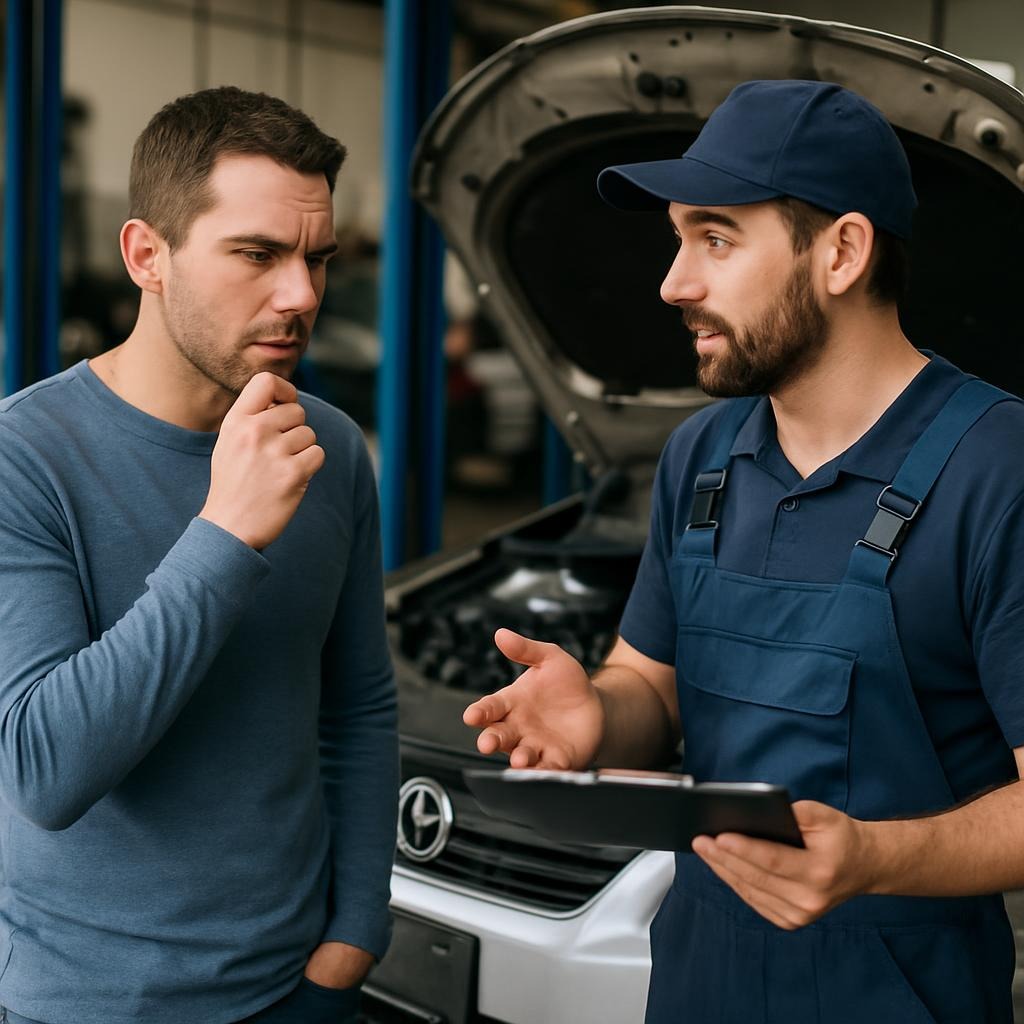
Preventing car overheating is easier than fixing the damage it can cause. Tips include:
● Regular Coolant Checks: Ensure coolant is at the proper level and condition.
● Routine Radiator and Water Pump Inspection: Replace damaged components before they fail.
● Check Belts and Hoses: Look for wear, cracks, or looseness.
● Flush Cooling System Periodically: Removes rust, scale, and debris.
● Monitor Temperature Gauge: Stop immediately if the engine begins to overheat.
● Avoid Excessive Idling: Overheating often occurs in traffic when airflow is limited.
Conclusion
Car overheating can be caused by many factors, including low coolant, radiator leaks, faulty thermostats, failing water pumps, clogged radiators, broken belts, malfunctioning fans, head gasket issues, engine oil problems, or environmental factors.
Early detection, regular maintenance, and addressing warning signs promptly can prevent serious engine damage and costly repairs. If your car is overheating and you cannot identify the cause, contact a qualified mechanic immediately to diagnose and repair the issue safely.
If you have any questions, you canask our mechanics on a live chathere or download our mobile app fromApple AppStore andGoogle Playstore. You can also download our G-OBD AI Diagnostics App on Playstore here.
Leave a Reply