Table of Contents
What Is car Coolant and Why Is It Important?
car coolant is a specially formulated liquid that circulates through your vehicle’s engine to regulate temperature and prevent overheating. It absorbs excess heat from the engine and transfers it to the radiator, where the heat is released into the air.
Without proper car coolant, your engine can overheat quickly, leading to serious damage and expensive repairs. Coolant also protects engine components from corrosion, freezing, and wear.
Understanding how coolant works and maintaining the right levels is essential for every driver who wants to keep their vehicle running safely and efficiently.
How Does car Coolant Work?
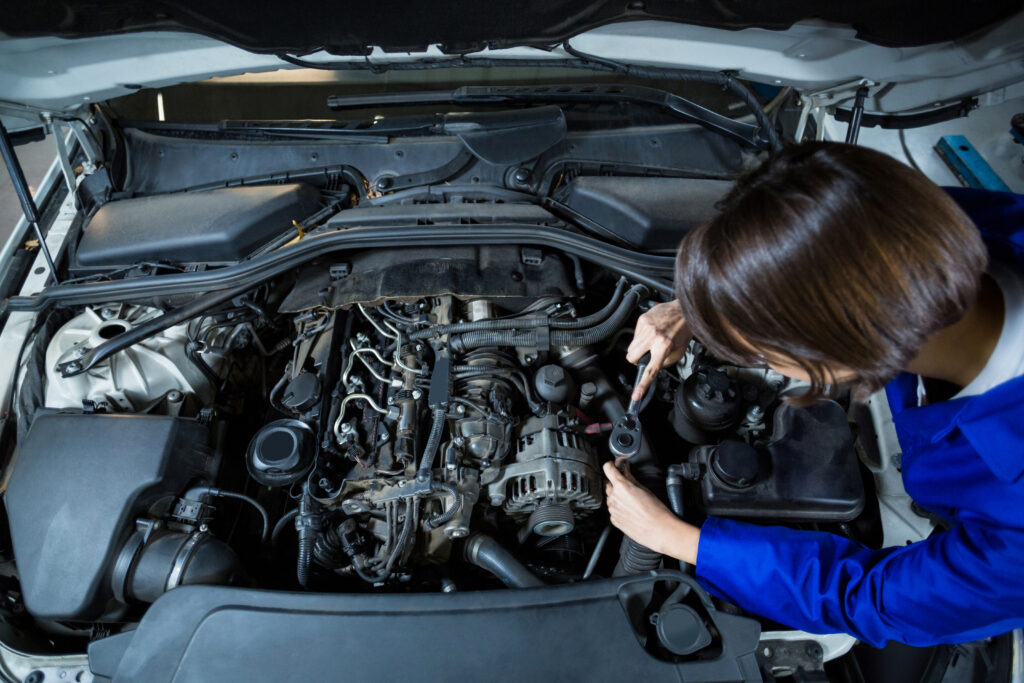
car coolant flows through the engine and radiator in a continuous cycle. As the engine runs, it produces heat. The coolant absorbs this heat and carries it away from critical engine parts.
The cooling process involves:
- Heat absorption from the engine
- Circulation through the radiator
- Heat release into the air
- Return of cooled fluid to the engine
This cycle repeats constantly while the engine is running.
Learn 7 Vital Auto Coolant Facts Every Driver Must Know
These essential facts will help you understand how coolant protects your vehicle and why proper maintenance is important.
1. Auto Coolant Prevents Engine Overheating
The primary function of car coolant is to regulate engine temperature.
When coolant levels are low, the engine can overheat quickly. Overheating can cause severe engine damage, including warped components and complete engine failure.
Maintaining proper coolant levels helps ensure safe engine operation.
2. Auto Coolant Protects Against Freezing and Boiling
Coolant contains antifreeze chemicals that prevent the liquid from freezing in cold weather and boiling in hot conditions.
This protection helps:
- Maintain stable engine temperature
- Prevent coolant from freezing
- Prevent coolant from boiling
- Improve engine reliability
This makes coolant essential in both hot and cold climates.
3. There Are Different Types of car Coolant
Not all coolants are the same. Using the wrong type can damage your vehicle’s cooling system.
Common types include:
- Inorganic Additive Technology (IAT)
- Organic Acid Technology (OAT)
- Hybrid Organic Acid Technology (HOAT)
Always check your vehicle manufacturer’s recommendation before adding coolant.
4. Low Auto Coolant Can Cause Engine Damage
Driving with low auto coolant is dangerous and can lead to serious engine problems.
Possible consequences include:
- Engine overheating
- Reduced engine performance
- Cracked engine components
- Expensive repair costs
Regular checks help prevent these issues.
5. Auto Coolant Helps Prevent Corrosion
Coolant contains additives that protect metal components from rust and corrosion.
This protection helps extend the lifespan of:
- Radiator
- Water pump
- Engine block
- Cooling system components
Without coolant protection, corrosion can damage the entire cooling system.
6. Auto Coolant Needs Regular Replacement
Over time, coolant loses its effectiveness and becomes contaminated.
Most manufacturers recommend replacing auto coolant every:
- 2 to 5 years
- 40,000 to 100,000 kilometers
- During major vehicle servicing
Regular replacement keeps the cooling system functioning properly.
7. Coolant Leaks Are a Serious Warning Sign
A coolant leak is one of the most common cooling system problems.
Signs of a leak include:
- Puddles of liquid under the vehicle
- Sweet smell from the engine
- Engine overheating
- Low coolant level
- Steam from the hood
Leaks should be repaired immediately to prevent engine damage.
Signs Your Auto Coolant Needs Attention
Recognizing early warning signs can help prevent costly repairs.
Common Symptoms
- Engine overheating
- Low coolant level
- Coolant warning light
- Steam from the engine
- Poor heater performance
- Unusual engine temperature fluctuations
If you notice these symptoms, inspect the cooling system promptly.
How Much Does Auto Coolant Replacement Cost?
The cost of replacing auto coolant depends on the vehicle type and service location.
Typical cost estimates include:
- Coolant replacement: ₦15,000 to ₦40,000
- Cooling system flush: ₦20,000 to ₦60,000
- Leak repair: ₦30,000 to ₦150,000
- Diagnostic inspection: ₦10,000 to ₦20,000
Routine maintenance is usually more affordable than repairing engine damage.
How to Maintain Proper Auto Coolant Levels
Preventive maintenance helps keep your cooling system working efficiently.
Maintenance Tips
- Check coolant levels regularly
- Inspect hoses and radiator
- Replace coolant at recommended intervals
- Fix leaks immediately
- Use the correct coolant type
- Schedule routine vehicle maintenance
These steps help prevent overheating and extend engine life.
Can You Drive Without Auto Coolant?
Driving without auto coolant is extremely dangerous.
Possible consequences include:
- Rapid engine overheating
- Engine failure
- Increased repair costs
- Sudden vehicle breakdown
- Safety risks while driving
Always ensure your coolant level is adequate before driving.
Where to Get Help
If you’re unsure about your car condition or need expert advice, you can easily reach out for help. Professional assistance can prevent small issues from turning into expensive repairs.
You can ask professional mechanics here:
https://askamechanic.asoroautomotive.com/
You can also access support here:
https://admin.asoroautomotive.com/
Or download the mobile app:
Apple App Store:
https://apps.apple.com/ng/app/ask-a-mechanic-app/id6758545607
Google Play Store:
https://play.google.com/store/apps/details?id=co.median.android.krrjkbd
You can also download the G-OBD AI Diagnostics App here:
https://play.google.com/store/apps/details?id=com.asoro.automotive
Getting professional help quickly can improve vehicle safety, reduce repair costs, and keep your vehicle running smoothly.
Conclusion
Understanding how coolant works and maintaining proper levels is essential for every driver. Coolant protects your engine from overheating, corrosion, and damage. Ignoring coolant problems can lead to serious mechanical issues and expensive repairs.
Regular maintenance, early detection of leaks, and timely coolant replacement are the best ways to keep your vehicle running safely and efficiently.
Leave a Reply