
Table of Contents
What Is Radiator Fluid and Why Is It Important?
Radiator fluid, also known as coolant or antifreeze, is a vital liquid in your vehicle’s cooling system. Its main job is to absorb heat from the engine and release it through the radiator, keeping the engine at a safe operating temperature.
Without enough radiator liquid, the engine cannot regulate heat properly. This can quickly lead to overheating, engine damage, and expensive repairs. That is why even a small leak should never be ignored.
Radiator fluid also protects your engine from corrosion, freezing, and internal damage, making it one of the most important fluids in your vehicle.
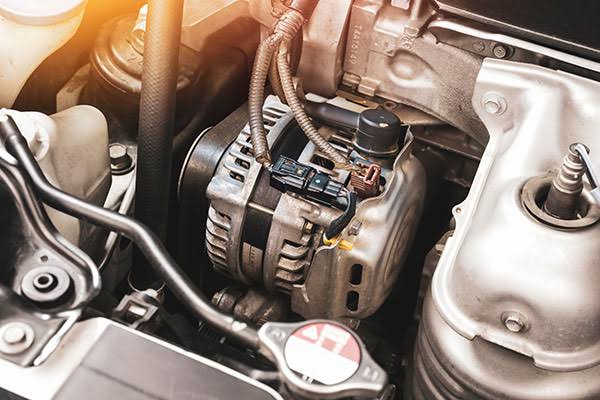
What Happens When Radiator Fluid Leaks?
When radiator leaks, the cooling system loses its ability to control engine temperature. This can cause several problems that affect performance, safety, and reliability.
Immediate Effects of a Radiator Fluid Leak
- Engine overheating
- Reduced cooling efficiency
- Low coolant level warning
- Steam from the engine
- Poor engine performance
- Increased risk of engine failure
If the leak continues, the engine may suffer permanent damage.
Common Causes of Radiator Fluid Leaks
Understanding the cause helps you fix the problem quickly and prevent future leaks.
1. Damaged Radiator Hose
Radiator hoses carry radiator between the engine and radiator. Over time, they can crack, loosen, or wear out.
Causes
- Heat and pressure
- Aging rubber
- Poor maintenance
- Physical damage
Fix
- Replace the damaged hose
2. Cracked Radiator
The radiator itself can develop cracks due to corrosion or impact.
Causes
- Rust buildup
- Physical damage
- Manufacturing defects
- Old age
Fix
- Repair or replace the radiator
3. Faulty Radiator Cap
The radiator cap maintains pressure in the cooling system. If it fails, radiator can leak or evaporate.
Symptoms
- Coolant loss
- Overheating
- Visible steam
Fix
- Replace the radiator cap
4. Water Pump Failure
The water pump circulates radiator liquid through the engine. When it fails, leaks often occur.
Symptoms
- Coolant dripping from the engine
- Overheating
- Whining noise
Fix
- Replace the water pump
5. Corroded Cooling System Components
Corrosion weakens metal parts, causing leaks.
Causes
- Old coolant
- Contaminated fluid
- Lack of maintenance
Fix
- Flush the cooling system
- Replace damaged components
Warning Signs of a Radiator Leak
Recognizing symptoms early can prevent serious engine damage.
Common Warning Signs
- Puddles of green, orange, or pink liquid under the car
- Sweet smell from the engine
- Rising temperature gauge
- Steam from the hood
- Low coolant warning light
- Engine overheating
- Reduced heater performance
If you notice these signs, check your radiator immediately.
Is It Safe to Drive With a Radiator Fluid Leak?
Driving with a radiator fluid leak is risky and can lead to severe engine damage.
Risks of Continuing to Drive
- Engine overheating
- Warped engine components
- Head gasket failure
- Engine seizure
- Expensive repairs
Even a small leak can become a major problem if ignored.
How Much Does It Cost to Fix a Radiator Fluid Leak?
Repair costs depend on the source and severity of the leak.
Typical Repair Costs
- Radiator hose replacement: ₦10,000 to ₦35,000
- Radiator cap replacement: ₦5,000 to ₦15,000
- Radiator repair: ₦40,000 to ₦150,000
- Water pump replacement: ₦60,000 to ₦200,000
- Head gasket repair: ₦150,000 to ₦500,000
Fixing leaks early reduces repair costs significantly.
How to Prevent Radiator Fluid Leaks
Preventive maintenance keeps your cooling system working efficiently.
Prevention Tips
- Check radiator liquid levels regularly
- Inspect hoses and connections
- Replace coolant on schedule
- Fix small leaks immediately
- Avoid engine overheating
- Schedule routine vehicle servicing
These steps help extend the life of your cooling system.
What to Do If Your Radiator Fluid Leaks
Knowing what to do during a leak can prevent engine damage.
Emergency Steps
- Pull over safely
- Turn off the engine
- Allow the engine to cool
- Check radiator liquid level
- Look for visible leaks
- Contact a professional mechanic
Never open the radiator cap while the engine is hot.
When Should You Seek Professional Help?
You should contact a mechanic immediately if:
- The engine overheats frequently
- Radiator fluid leaks repeatedly
- Steam comes from the engine
- Coolant level drops quickly
- Warning lights appear
- Vehicle performance decreases
Professional diagnosis ensures safe and accurate repair.
Where to Get Help
If you’re unsure about your car condition or need expert advice, you can easily reach out for help. Early assistance can help diagnose radiator fluid leaks quickly and prevent costly engine damage.
You can ask professional mechanics here:
https://askamechanic.asoroautomotive.com/
You can also access support here:
https://admin.asoroautomotive.com/
Or download the mobile app:
Apple App Store:
https://apps.apple.com/ng/app/ask-a-mechanic-app/id6758545607
Google Play Store:
https://play.google.com/store/apps/details?id=co.median.android.krrjkbd
You can also download the G-OBD AI Diagnostics App here:
https://play.google.com/store/apps/details?id=com.asoro.automotive
Getting expert help early can protect your engine, improve vehicle safety, and reduce repair costs.
Conclusion
A radiator fluid leak is a serious issue that should never be ignored. It can lead to overheating, engine damage, and expensive repairs if left unresolved.
Regular maintenance, early detection, and prompt repairs are the best ways to protect your engine and keep your vehicle running safely and efficiently.
Leave a Reply