
Car overheating is one of the most serious problems a vehicle can develop. Ignore it for too long, and what could have been a simple fix can turn into complete engine failure.
If your car overheating issue has ever left you stranded or concerned, understanding the root causes is the first step to preventing expensive repairs.
In this guide, we’ll break down the 10 common causes of car overheating, how to recognize them, and what to do before the problem worsens.
Table of Contents
Why Car Overheating Should Never Be Ignored
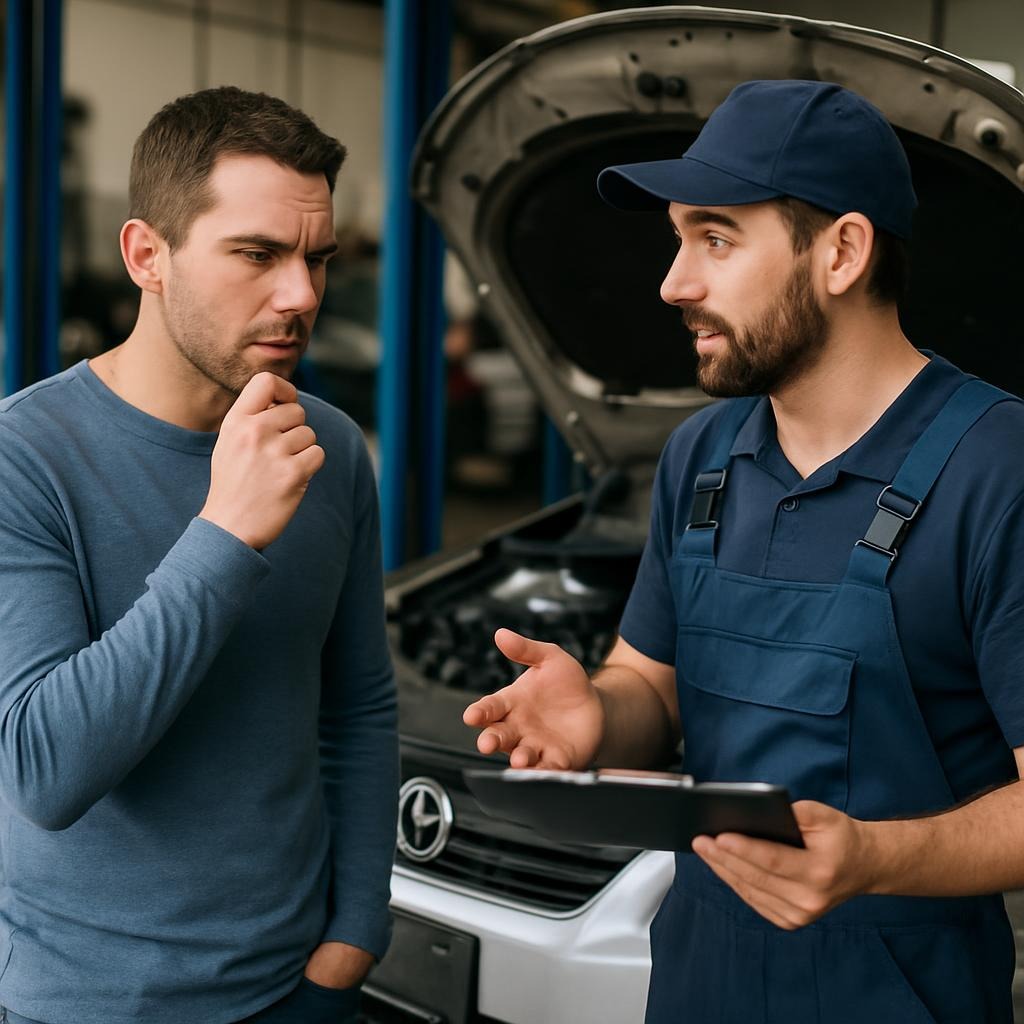
Your engine operates within a controlled temperature range. When that balance is lost, heat builds up quickly.
Severe car overheating can lead to:
- Warped cylinder head
- Blown head gasket
- Engine seizure
This is why identifying the cause early is critical.
10 Common Causes of Car Overheating
1. Low Coolant Level
This is the most common cause of car overheating.
Coolant absorbs heat from the engine and transfers it to the radiator. When levels drop:
- Heat cannot dissipate properly
- Engine temperature rises quickly
Signs:
- Rising temperature gauge
- Frequent need to top up coolant
2. Radiator Leak
A leaking radiator reduces coolant levels and cooling efficiency.
A radiator leak can destroy your engine in minutes if ignored.
Signs:
- Coolant puddles under the car
- Steam from the bonnet
- Sweet smell
Related reading: Driving with a Radiator Leak: Why This is a Bad Idea
3. Faulty Thermostat
The thermostat controls coolant flow.
- Stuck closed: coolant cannot reach the radiator, leading to overheating
- Stuck open: engine runs too cold, which also causes long-term damage
Car overheating caused by a stuck thermostat can happen quickly and needs immediate attention.
4. Broken Water Pump
The water pump circulates coolant through the engine.
If it fails:
- Coolant stops moving
- Heat builds up rapidly
Symptoms:
- Overheating at all speeds
- Coolant leaks near the pump
5. Blocked or Damaged Radiator
A clogged radiator cannot release heat effectively.
Causes include:
- Dirt buildup
- Internal corrosion
- Old coolant deposits
This restricts cooling and leads to car overheating, especially in slow traffic.
6. Cooling Fan Failure
The radiator fan cools the engine when the vehicle is stationary or moving slowly.
If it fails:
- Heat builds up in traffic
- Temperature may drop when driving at higher speeds
Common signs:
- Overheating in traffic but not on highways
7. Low Engine Oil
Engine oil plays a role in both lubrication and cooling.
Low oil leads to:
- Increased friction
- Higher engine temperatures
Related reading: Engine Oil: Checking It, Choosing It, Understanding It
8. Blown Head Gasket
This is one of the most serious causes of car overheating.
When it fails:
- Coolant mixes with oil
- Combustion gases enter the cooling system
Signs:
- White smoke from the exhaust
- Milky oil
- Persistent overheating
Related reading: Blown Head Gasket: Should You Fix It or Walk Away?
9. Collapsed or Leaking Hoses
Coolant flows through rubber hoses.
If hoses:
- Crack
- Collapse
- Leak
Coolant circulation is disrupted, causing car overheating.
10. Faulty Radiator Cap
The radiator cap helps maintain system pressure and raises the coolant’s boiling point.
If it fails:
- Coolant boils sooner
- Cooling efficiency drops
What To Do If Your Car Starts Overheating
If you notice car overheating, take immediate action:
- Pull over safely
- Turn off the engine
- Allow the engine to cool for at least 20 minutes
- Do not open the radiator cap while hot
- Check coolant levels
As a temporary measure:
- Add water if coolant is unavailable, but only to reach a mechanic
When to Seek Professional Help
Do not rely on guesswork when dealing with car overheating.
You can:
Ask A Mechanic — Get answers from qualified mechanics directly
You can also access the full Asoro Automotive platform for vehicle records, service tracking, and support:
Or download the mobile app to connect with mechanics and track your vehicle maintenance history on the go:
For deeper diagnostic insights — understanding what your scanner results actually mean beyond just the fault code — the G-OBD AI Diagnostics App was built specifically for this:
Download G-OBD AI Diagnostics App
Final Thoughts
Car overheating is rarely random. It is usually caused by a failure within the cooling system, and most vehicles provide warning signs before serious damage occurs.
The difference between a minor repair and a major engine failure often depends on how quickly the issue is addressed.
Pay attention to changes in your vehicle, maintain proper fluid levels, and act immediately when overheating occurs.
Leave a Reply