
Experiencing steering wheel vibration can be both annoying and concerning. Whether it occurs while driving at high speeds, braking, or even idling, steering wheel vibration often signals an underlying issue that affects safety and vehicle performance. Understanding the causes and potential solutions is essential to restore smooth driving and protect your car.
Table of Contents
What Causes Steering Wheel Vibration?
Steering wheel vibration can result from several factors, often related to tires, brakes, or suspension components. Identifying the root cause is the first step in addressing the problem effectively.
1. Unbalanced or Misaligned Tires
Tires that are unbalanced or misaligned are a leading cause of steering wheel vibration, especially at higher speeds. Improper tire balance creates uneven rotation, causing vibrations that travel through the steering wheel. Similarly, misaligned wheels can create uneven wear patterns, worsening the shaking.
2. Worn or Warped Brake Rotors
Brake issues can also lead to steering wheel vibration, particularly during braking. Warped rotors prevent brake pads from making even contact, causing the steering wheel to shake. Worn brake pads exacerbate the problem, making braking unsafe.
3. Suspension and Steering Component Wear
Suspension components such as tie rods, ball joints, and control arms play a crucial role in stabilizing your vehicle. When these parts wear out or become loose, steering wheel vibration can occur during driving or braking.
4. Wheel Hub or Bearing Problems
Faulty wheel bearings or hubs can cause vibrations that radiate to the steering wheel. This is often accompanied by noise, such as humming or grinding, that increases with speed.
5. Engine or Drivetrain Issues
Though less common, engine problems or imbalanced drivetrain components can cause steering wheel vibration, particularly in vehicles with front-wheel or all-wheel drive systems.
How to Diagnose Steering Wheel Vibration
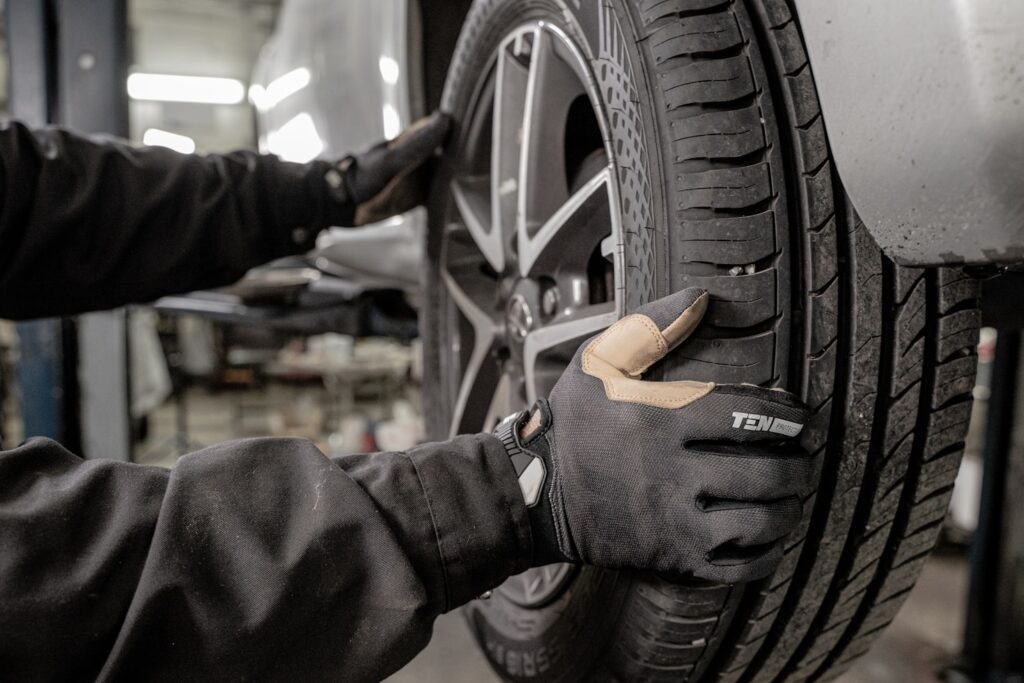
Proper diagnosis is essential to fix steering wheel vibration effectively. Mechanics often inspect:
● Tire balance and alignment
● Brake rotor and pad condition
● Suspension and steering components
● Wheel hub and bearing condition
● Engine mounts and drivetrain balance
This thorough inspection ensures the underlying cause is identified and repaired.
How to Fix Steering Wheel Vibration
The fix for steering wheel vibration depends on the source:
1. Tire Balancing and Alignment
If the vibration is due to unbalanced tires, a professional tire balancing service can correct it. Additionally, proper wheel alignment ensures even tire wear and smooth driving.
2. Brake Repairs
For vibration caused by braking, resurfacing or replacing warped rotors and worn brake pads can restore smooth braking and eliminate steering wheel shaking.
3. Suspension and Steering Repairs
Replacing worn or damaged suspension components such as tie rods, ball joints, or control arms can fix steering wheel vibrating and improve overall handling.
4. Wheel Hub or Bearing Replacement
Faulty wheel hubs or bearings require professional replacement to stop vibrations and prevent further damage to tires and suspension.
5. Engine or Drivetrain Maintenance
If the vibration originates from engine or drivetrain imbalance, addressing engine mounts, CV joints, or other components may be necessary. Regular maintenance reduces the likelihood of steering wheel vibration caused by engine issues.
Preventing Steering Wheel Vibration
● Rotate and balance tires regularly
● Inspect brake rotors and pads during service intervals
● Check suspension and steering components periodically
● Maintain engine and drivetrain components properly
● Avoid aggressive driving that stresses tires, brakes, and suspension
Consistent maintenance minimizes the risk of steering wheel vibrating and ensures a smooth, safe driving experience.
When to See a Mechanic
While minor vibrations may sometimes be tolerated temporarily, persistent or worsening steering wheel vibration should never be ignored. Early diagnosis prevents further damage, reduces repair costs, and ensures your vehicle remains safe on the road.
Conclusion
Steering wheel vibrating excessively is a common but serious issue that can arise from tires, brakes, suspension, wheel bearings, or drivetrain components. Identifying the root cause and addressing it promptly ensures smooth steering, safe braking, and reliable vehicle performance.
Whether the vibration occurs at high speeds, during braking, or at idle, a professional inspection and proper maintenance are essential. Don’t ignore steering wheel vibrating—fixing it early protects your car and keeps you safe on the road.
If you have any questions, you can ask our mechanics on a live chat here or download our mobile app from Apple AppStore and Google Playstore. You can also download our G-OBD AI Diagnostics App on Playstore here.
Leave a Reply