
If you’ve recently replaced the brake pads on car, or you’re planning to, there’s one essential step you should never overlook—the 30 30 30 rule for brakes. Many drivers install new components and immediately return to normal driving, not realizing that proper bedding is what ensures optimal performance.
In this guide, you’ll learn what the 30 30 30 rule means, why it matters, and how it helps improve braking efficiency and lifespan.
Table of Contents
What Are Brake Pads On Car?
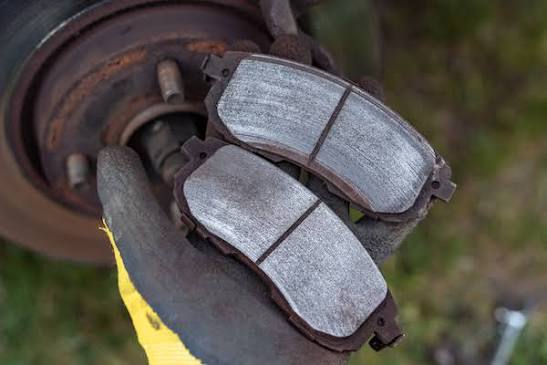
Brake pads on car are friction materials that press against the brake rotors when you apply the brake pedal. This contact creates the force needed to slow down or stop the vehicle.
Because they rely on friction, they naturally wear down over time. However, how they perform after installation depends heavily on how they are conditioned during the first few uses.
To understand how braking systems work in detail, you can refer to:
https://www.howacarworks.com/brakes/how-the-braking-system-works
What Is the 30 30 30 Rule for Brakes?
The 30 30 30 rule is a brake bedding method used after installing new brake pads on car. It ensures that the pads and rotors develop an even contact surface for consistent braking.
The rule involves:
- 30 controlled stops
- From about 30 mph (50 km/h)
- With 30 seconds of cooling between each stop
This process helps transfer a thin layer of friction material onto the rotor, improving overall braking performance.
Why the 30 30 30 Rule Matters
New brake pads do not immediately deliver full performance. Without proper bedding, you may experience:
- Reduced stopping power
- Uneven wear
- Noise such as squealing
- Vibrations during braking
The 30 30 30 rule solves these issues by creating a uniform surface between the pad and rotor.
Key Benefits:
- Improved braking consistency
- Longer component lifespan
- Reduced noise and vibration
- Better heat management
For more technical insights, see:
https://www.brembo.com/en/company/news/brake-system-how-it-works
Step-by-Step Guide to the 30 30 30 Rule
Step 1: Choose a Safe Location
Find a quiet road, empty parking lot, or open area where you can perform repeated stops without interruptions.
Step 2: Accelerate Gradually
Bring the vehicle up to around 30 mph (50 km/h) smoothly.
Step 3: Apply Controlled Braking
Slow down to about 5–10 mph without coming to a complete stop. Avoid sudden or aggressive braking.
Step 4: Repeat the Process
Perform 30 braking cycles using the same method. Consistency is key to achieving even material transfer.
Step 5: Allow Cooling Time
Drive for about 30 seconds between each stop to allow the braking system to cool. This prevents overheating and uneven wear.
Step 6: Final Cool-Down
After completing all cycles, continue driving for 10–15 minutes with minimal braking to allow the system to cool completely.
Common Mistakes to Avoid
Even when following the process, certain mistakes can reduce effectiveness:
- Coming to a full stop during the cycles
- Skipping cooling time between stops
- Applying excessive braking force
- Ignoring the bedding process entirely
Avoiding these errors ensures the brake pads on car perform as intended.
When Should You Use the 30 30 30 Rule?
This method should be applied whenever:
- New brake pads are installed
- Brake rotors are replaced
- Upgrading to a different pad material
It is especially important in conditions involving frequent braking, such as heavy traffic or urban driving.
Additional Brake Maintenance Tips
To maintain optimal performance after bedding:
- Inspect pad thickness regularly
- Listen for unusual sounds
- Maintain smooth driving habits
- Avoid unnecessary hard braking
- Check overall braking performance periodically
Need Help? Talk to a Mechanic Instantly
If you’re unsure about your brake condition, you can get expert help instantly.
Ask our mechanics here:
https://askamechanic.asoroautomotive.com/
Access admin chat:
https://admin.asoroautomotive.com/
Download our mobile app:
Download G-OBD AI Diagnostics App:
Play Store Link
Final Thoughts
Understanding how the brake pads on car interact with the braking system is essential for safety and performance. The 30 30 30 rule is a simple yet powerful method that ensures proper conditioning after installation.
By following this process, you improve braking efficiency, reduce wear, and extend the lifespan of key components. Skipping this step can lead to uneven performance and unnecessary repairs.
Taking the time to bed in your brakes properly ensures smoother driving, better control, and a more reliable vehicle overall. For best results, always combine proper installation with careful driving habits and routine inspections.
Leave a Reply