
Knowing when to replace your brake pads is essential for safe driving and avoiding costly repairs. While many drivers look for a fixed schedule, the truth is that replacement timing depends on several real-world factors like driving habits, road conditions, and vehicle type.
In this guide, you’ll learn how often brake pads should be changed, the warning signs to watch for, and how to maximize their lifespan.
Table of Contents
How Often Should You Change Brake Pads?
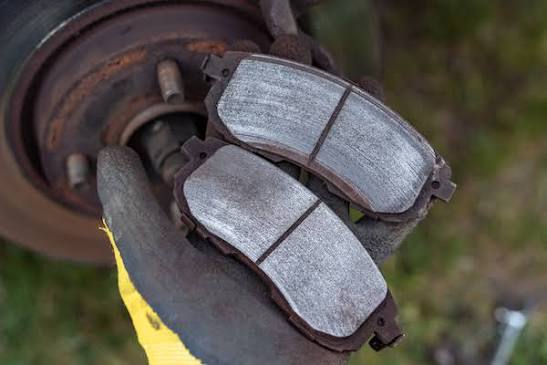
On average, brake pads should be replaced every 30,000 to 70,000 kilometres.
However, this is not a fixed rule. The actual interval depends on:
- Driving conditions (city vs highway)
- Driving style (aggressive vs smooth braking)
- Vehicle weight and load
- Brake pad material
For example, frequent stop-and-go driving in heavy traffic will wear pads faster than steady highway driving.
Why There Is No Fixed Replacement Interval
Unlike engine oil, brake pads do not have a universal replacement schedule. They wear based on friction, which varies from driver to driver.
Factors that influence wear include:
Driving Environment
- City driving with constant braking causes faster wear
- Highway driving allows longer lifespan
Driving Habits
- Hard braking reduces lifespan
- Smooth, gradual braking extends it
Vehicle Type
- Heavy vehicles and SUVs wear pads faster
- Light cars tend to preserve them longer
Pad Material
- Organic pads wear faster but are quieter
- Ceramic and semi-metallic pads last longer
To understand how these factors affect performance, you can refer to
https://www.howacarworks.com/brakes/how-the-braking-system-works
Signs Your Brake Pads Need Replacement
Instead of relying only on mileage, it’s important to recognize warning signs.
Common Indicators:
- Squealing or screeching sounds
- Grinding noise (serious wear)
- Reduced braking performance
- Vibration when braking
- Car pulling to one side
- Brake pad thickness below 3mm
If you notice any of these, inspect your brakes immediately.
For professional diagnosis, visit:
https://askamechanic.asoroautomotive.com/
How to Check Brake Pad Condition
You can perform a simple inspection:
- Look through the wheel spokes
- Locate the pad against the rotor
- Check thickness (replace if less than 3mm)
If unsure, a mechanic can confirm quickly.
You can also get expert support here:
https://admin.asoroautomotive.com/
What Happens If You Delay Replacement?
Ignoring worn pads can lead to serious problems:
- Damage to brake rotors
- Increased repair costs
- Reduced stopping power
- Safety risks while driving
Once pads wear completely, metal contacts the rotor, causing grinding and expensive damage.
Tips to Make Brake Pads Last Longer
You can extend the life of your braking system with simple habits:
- Avoid sudden, hard braking
- Maintain safe following distance
- Reduce unnecessary braking
- Avoid overloading your vehicle
- Drive smoothly in traffic
Proper driving habits can significantly delay replacement.
What to Do After Replacing Brake Pads
After installing new components, proper bedding is essential.
Use the 30-30-30 rule:
- 30 controlled stops
- From about 50 km/h
- With cooling time between each stop
This process improves braking efficiency and ensures even wear.
For a deeper technical explanation, see:
https://www.brembo.com/en/company/news/brake-system-how-it-works
Need Help? Talk to a Mechanic Instantly
If you’re unsure about your brake condition, you can get expert help instantly.
Ask our mechanics here:
https://askamechanic.asoroautomotive.com/
Access admin chat:
https://admin.asoroautomotive.com/
Download our mobile app:
Download G-OBD AI Diagnostics App:
Play Store Link
Final Thoughts
There is no exact mileage for replacing brake pads, but most drivers will need to change them between 30,000 and 70,000 kilometres.
The best approach is to combine mileage estimates with regular inspections and awareness of warning signs. By doing so, you ensure safe driving, reduce costs, and maintain optimal braking performance.
Leave a Reply