
A coolant leak is more than just a maintenance inconvenience—it can directly affect how your engine runs. Many drivers experiencing rough idling, hesitation, or loss of power are surprised to learn that car leaking coolant issues can lead to engine misfires. Understanding the connection between coolant leaks and misfires is essential for preventing serious engine damage and costly repairs.
Table of Contents
Understanding the Role of Coolant in Engine Performance
Coolant is responsible for regulating engine temperature by absorbing heat and preventing overheating. It flows through the engine block, cylinder head, radiator, and heater core. When the system is sealed and functioning properly, the engine maintains optimal operating temperatures.
When a car leaking coolant problem occurs, the engine may overheat, lose efficiency, or suffer internal damage—all of which can interfere with proper combustion and lead to misfires.
How a Coolant Leak Can Cause a Misfire
Yes, a coolant leak can cause a misfire, and it happens in several ways. One of the most serious scenarios is when coolant leaks into the combustion chamber. This often occurs due to a damaged head gasket, cracked cylinder head, or warped engine block.
When coolant enters a cylinder, it disrupts the air-fuel mixture and prevents proper ignition. The affected cylinder fails to fire correctly, resulting in an engine misfire. In this case, the car leaking coolant issue directly interferes with combustion.
Coolant Leaks and Engine Overheating
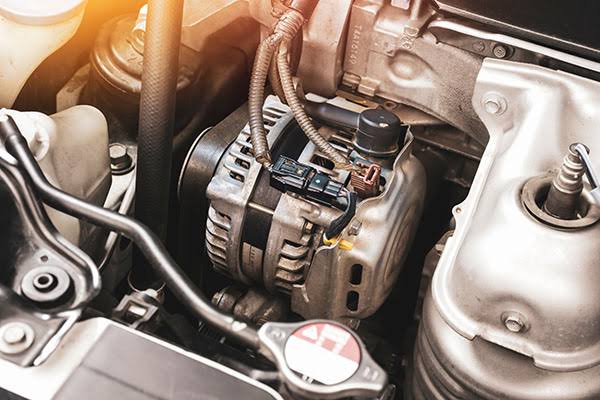
A leaking cooling system reduces the engine’s ability to control temperature. As coolant levels drop, the engine begins to overheat. Overheating can damage spark plugs, ignition coils, and sensors, all of which are critical for proper firing of the cylinders.
An overheated engine caused by a car leaking coolant problem can misfire intermittently or continuously, especially under load or during acceleration.
Impact on Spark Plugs and Ignition Components
Coolant leaks can also affect ignition components indirectly. If coolant seeps into areas around spark plugs or ignition coils, it can cause corrosion, electrical shorts, or fouling. Spark plugs contaminated with coolant often fail to produce a strong spark, leading to incomplete combustion.
This type of misfire may start subtly but worsen over time if the car leaking coolant issue is not addressed.
Sensor Malfunctions Linked to Coolant Leaks
Modern engines rely heavily on sensors to control fuel delivery and ignition timing. Coolant leaks can cause faulty readings from temperature sensors, oxygen sensors, or mass airflow sensors.
When sensors send incorrect data to the engine control unit, the engine may deliver the wrong air-fuel mixture, triggering misfires. In this way, a car leaking coolant problem can indirectly cause engine misfires even if no coolant enters the cylinders.
Warning Signs That Coolant Is Causing a Misfire
Common symptoms that suggest a coolant leak may be responsible for a misfire include:
● Rough idle or shaking engine
● White smoke from the exhaust
● Sweet smell from the engine bay
● Frequent overheating
● Loss of coolant with no visible external leak
● Check engine light
When these symptoms appear together, a car leaking coolant issue should be investigated immediately.
Is It Safe to Drive With a Coolant Leak and Misfire?
Driving with a coolant leak is risky, and driving with both a coolant leak and a misfire is even more dangerous. Continued operation can cause severe engine damage, including warped cylinder heads, blown head gaskets, or complete engine failure.
Ignoring a car leaking coolant problem that causes misfires often leads to significantly higher repair costs.
Can the Damage Be Fixed?
In many cases, yes—but the repair depends on how early the problem is detected. Minor coolant leaks from hoses or fittings may be repaired easily, resolving the misfire once normal engine temperature and combustion are restored.
However, internal leaks caused by head gasket failure or cracked engine components require extensive repairs. The longer a car leaking coolant issue goes unresolved, the greater the risk of permanent engine damage.
Preventing Coolant-Related Misfires
Regular inspection of coolant levels, hoses, and the radiator helps prevent leaks before they escalate. Addressing overheating issues promptly and paying attention to warning lights can reduce the risk of misfires caused by coolant loss.
Preventive maintenance plays a key role in avoiding car leaking coolant problems that affect engine performance.
Conclusion
So, can a coolant leak cause a misfire? Absolutely. A car leaking coolant issue can disrupt combustion, damage ignition components, interfere with engine sensors, and cause overheating—all of which can result in misfires. Early diagnosis and repair are critical to protecting your engine and maintaining reliable performance.
If coolant loss and engine misfires occur together, immediate inspection is essential to prevent costly and long-term damage.
If you have any questions, you can ask our mechanics on a live chat here or download our mobile app from Apple AppStore and Google Playstore. You can also download our G-OBD AI Diagnostics App on Playstore here.
Leave a Reply