Table of Contents
Can Leaking Coolant Cause a Misfire?
Yes, leaking coolant can absolutely cause an engine misfire. When coolant leaks into engine components such as the combustion chamber, spark plugs, or cylinders, it disrupts the fuel-air mixture needed for proper ignition. This results in incomplete combustion and engine misfiring.
A coolant leak is not just a minor maintenance issue. If ignored, leaking coolant can lead to overheating, engine damage, and costly repairs. Identifying the connection between coolant leaks and engine misfires helps drivers act quickly and prevent serious mechanical problems.
What Happens When Coolant Leaks Into the Engine?
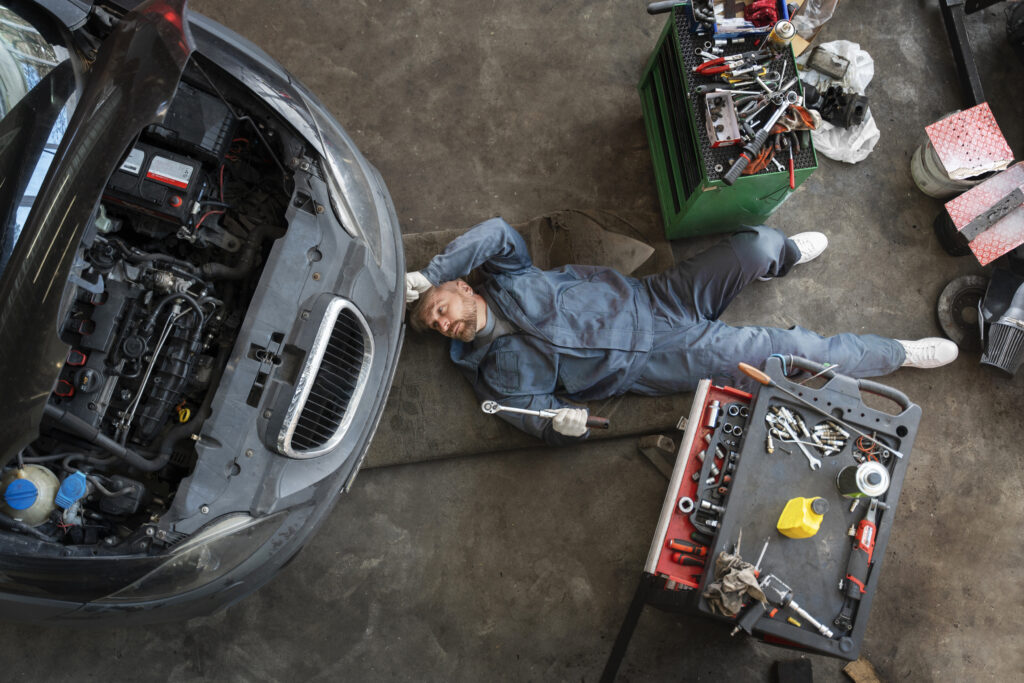
Coolant is designed to circulate through the cooling system, not inside engine cylinders. When leaking coolant enters areas where it does not belong, it interferes with engine operation.
Effects of Coolant Leaks on Engine Performance
- Engine misfires
- Rough engine idle
- Loss of power
- Increased fuel consumption
- Engine overheating
- White smoke from the exhaust
- Engine damage
These symptoms often indicate a serious cooling system problem that requires immediate attention.
Common Causes of Leaking Coolant That Lead to Misfires
Understanding the root cause helps determine the correct repair.
1. Blown Head Gasket
A blown head gasket is one of the most common reasons leaking coolant causes a misfire.
How It Causes Misfire
- Coolant enters the combustion chamber
- Spark plugs become wet
- Fuel fails to ignite properly
Warning Signs
- White exhaust smoke
- Engine overheating
- Milky engine oil
2. Cracked Engine Block
Extreme heat or engine stress can cause cracks in the engine block.
Symptoms
- Persistent coolant loss
- Engine overheating
- Rough engine performance
Fix
- Engine repair or replacement
This is a serious mechanical problem that requires professional diagnosis.
3. Faulty Intake Manifold Gasket
The intake manifold gasket seals the engine and prevents coolant leaks.
Symptoms
- Engine misfire
- Coolant loss
- Reduced engine performance
Fix
- Replace the intake manifold gasket
Repairing gasket issues often resolves misfire problems caused by leaking coolant.
4. Damaged Cylinder Head
A warped or cracked cylinder head can allow coolant to enter the engine.
Causes
- Severe overheating
- Poor maintenance
- Mechanical stress
Fix
- Cylinder head repair or replacement
This condition requires immediate attention.
Warning Signs of Leaking Coolant and Engine Misfire
Recognizing early symptoms helps prevent major engine damage.
Common Symptoms
- Engine shaking or vibrating
- White smoke from the exhaust
- Sweet smell from the engine
- Low coolant level
- Check engine light
- Engine overheating
- Poor acceleration
- Rough idle
If you notice these signs, your vehicle may be experiencing leaking coolant that is affecting engine performance.
Is It Safe to Drive With Leaking Coolant?
Driving with leaking coolant is risky and can cause severe engine damage.
Risks of Continuing to Drive
- Engine overheating
- Head gasket failure
- Engine misfire
- Reduced engine lifespan
- Expensive repairs
- Complete engine failure
Even a small coolant leak can quickly escalate into a major mechanical problem.
How Mechanics Diagnose Coolant Leaks and Misfires
Professional diagnosis ensures accurate repairs.
Common Diagnostic Methods
- Cooling system pressure test
- Engine scan using diagnostic tools
- Compression test
- Leak detection test
- Spark plug inspection
These tests help identify the exact source of leaking coolant and determine the correct repair.
How Much Does It Cost to Fix Leaking Coolant That Causes a Misfire?
Repair costs depend on the severity of the problem.
Typical Repair Costs
- Coolant hose replacement: ₦10,000 to ₦35,000
- Radiator repair: ₦40,000 to ₦150,000
- Intake manifold gasket replacement: ₦60,000 to ₦180,000
- Head gasket replacement: ₦120,000 to ₦400,000
- Engine repair: ₦300,000 to ₦1,200,000
Early detection significantly reduces repair expenses.
How to Prevent Coolant Leaks and Engine Misfires
Preventive maintenance keeps your engine running smoothly.
Prevention Tips
- Check coolant levels regularly
- Inspect hoses and seals
- Replace worn components
- Fix leaks immediately
- Monitor engine temperature
- Schedule routine vehicle servicing
- Use quality coolant
These steps reduce the risk of leaking coolant and engine misfire problems.
What to Do If Your Car Is Leaking Coolant
Taking immediate action can prevent engine damage.
Emergency Steps
- Pull over safely
- Turn off the engine
- Allow the engine to cool
- Check coolant level
- Look for visible leaks
- Contact a professional mechanic
Never continue driving if the engine is overheating.
When Should You Seek Professional Help?
You should contact a mechanic immediately if:
- Coolant leaks frequently
- Engine misfires repeatedly
- White smoke appears from the exhaust
- Engine temperature rises suddenly
- Warning lights appear
- Vehicle performance drops
Professional inspection ensures safe and reliable repairs.
Where to Get Help
If you’re unsure about your car condition or need expert advice, you can easily reach out for help. Early assistance can help diagnose problems caused by leaking coolant quickly and prevent costly engine damage.
You can ask professional mechanics here:
https://askamechanic.asoroautomotive.com/
You can also access support here:
https://admin.asoroautomotive.com/
Or download the mobile app:
Apple App Store:
https://apps.apple.com/ng/app/ask-a-mechanic-app/id6758545607
Google Play Store:
https://play.google.com/store/apps/details?id=co.median.android.krrjkbd
You can also download the G-OBD AI Diagnostics App here:
https://play.google.com/store/apps/details?id=com.asoro.automotive
Getting expert help early can protect your engine, improve safety, and reduce repair costs.
Conclusion
Yes, leaking coolant can cause an engine misfire and lead to serious mechanical damage if ignored. Coolant leaks disrupt engine performance, increase overheating risk, and can result in costly repairs.
Regular maintenance, early detection, and prompt repairs are the best ways to protect your engine and keep your vehicle running safely and efficiently.
Leave a Reply