
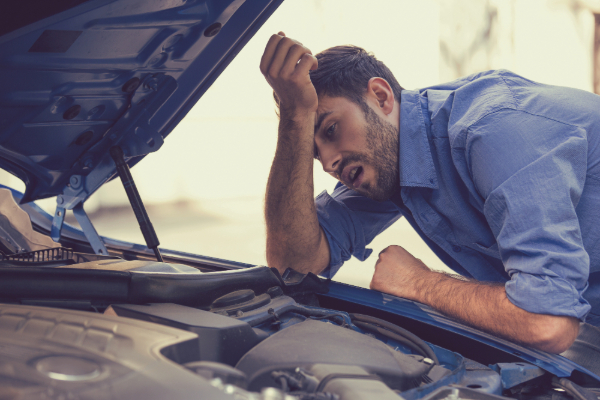
When a car refuses to start, most drivers immediately suspect the battery or ignition system. But there’s another critical component that often gets overlooked — the auto fuel pump.
Yes, fuel pump problems can absolutely stop your car from starting, and in many cases, they’re the hidden reason behind frustrating crank-but-no-start situations.
This guide explains how the fuel pump works, how to recognize when it’s failing, and how to confirm whether it’s the reason your car won’t start.
Table of Contents
What Does an Auto Fuel Pump Do?

The auto fuel pump is responsible for delivering fuel from the tank to the engine at the correct pressure. Modern engines rely heavily on precise fuel pressure to operate efficiently.
If the pressure is:
- Too low → the engine won’t get enough fuel to start
- Inconsistent → the engine may misfire or stall
- Completely absent → the car will crank but never start
In simple terms, without a functioning fuel pump, your engine has nothing to burn — and no combustion means no startup.
Can a Faulty Auto Fuel Pump Stop Your Car from Starting?
Yes — and it’s one of the most common causes of a no-start condition.
Here’s how it happens:
- The engine cranks normally
- The battery and starter are working
- But no fuel reaches the injectors
Without fuel pressure, the ignition system has nothing to ignite. The result? A car that sounds like it wants to start but never actually does.
Key Signs of Auto Fuel Pump Problems
Recognizing the symptoms early can save you from being stranded.
1. Engine Cranks but Won’t Start
This is the clearest sign. If everything sounds normal except the engine won’t fire, the fuel system is a strong suspect.
2. No Sound When Turning the Key
When you turn the ignition to ON, a healthy pump produces a soft humming sound for 2–3 seconds.
If you hear nothing:
- The pump may have failed
- Or it may not be receiving power
3. Stalling While Driving
A weak auto fuel pump may work at low speeds but fail under load. This leads to:
- Sudden power loss
- Engine stalling at high speed
- Difficulty accelerating
4. Hard Starting (Especially When Hot)
If your car starts easily when cold but struggles after driving, heat may be affecting a failing pump.
5. Engine Surging or Hesitation
Inconsistent fuel pressure can cause:
- Jerking at steady speeds
- Delayed acceleration
- Unstable engine performance
6. Unusual Whining Noise
A louder-than-normal buzzing sound from the fuel tank area often indicates the pump is under stress.
How to Confirm If the Fuel Pump Is the Problem
Before replacing anything, proper diagnosis is essential.
Step 1: Listen for the Priming Sound
Turn the key to ON (not START) and listen near the rear of the car.
- Sound present → pump is likely working
- No sound → check electrical components
Step 2: Check the Fuse and Relay
A blown fuse or faulty relay can stop the pump from working entirely.
This is important because:
- These parts are cheap
- They are often the real issue
Step 3: Perform a Fuel Pressure Test
This is the most reliable method.
A pressure gauge will tell you:
- If fuel is reaching the engine
- Whether the pressure meets manufacturer specifications
Step 4: Inspect the Fuel Filter
A clogged filter can mimic fuel pump failure by restricting fuel flow.
Why You Shouldn’t Ignore Fuel Pump Problems
Driving with a failing auto fuel pump can lead to more serious issues:
1. Complete Breakdown
A weak pump will eventually fail entirely — often without warning.
2. Catalytic Converter Damage
Misfires caused by poor fuel delivery can send unburnt fuel into the exhaust, damaging expensive components.
3. Safety Risks
If your engine stalls in traffic, you lose:
- Power steering assistance
- Brake assist
This can create dangerous situations.
What Causes Auto Fuel Pump Failure?
Understanding the causes can help you prevent future problems.
Running on Low Fuel Frequently
Fuel cools and lubricates the pump. Driving with less than a quarter tank regularly can overheat it.
Contaminated Fuel
Dirt, water, or poor-quality fuel can damage internal components.
Electrical Issues
Voltage fluctuations, bad wiring, or failing relays can stress the pump.
Normal Wear and Tear
Like any mechanical component, the pump will eventually wear out over time.
When to Replace the Fuel Pump
You should consider replacement if:
- Fuel pressure is below specification
- The pump fails the priming test
- Symptoms are consistent and worsening
Always confirm the issue before replacing the pump to avoid unnecessary costs.
Where to Get Help
If you’re unsure about your vehicle’s condition or need expert advice, you can reach out through the following platforms:
- Ask professional mechanics directly:
https://askamechanic.asoroautomotive.com/ - Access support and services:
https://admin.asoroautomotive.com/ - Download the mobile app:
Apple App Store: https://apps.apple.com/ng/app/ask-a-mechanic-app/id6758545607
Google Play Store: https://play.google.com/store/apps/details?id=co.median.android.krrjkbd - Use AI diagnostics for fault codes:
https://play.google.com/store/apps/details?id=com.asoro.automotive
Final Thoughts
Auto fuel pump problems are often overlooked, but they play a critical role in whether your car starts or not.
If your engine cranks but refuses to start, don’t jump straight to expensive fixes. A simple check of the fuel system — especially the pump — could save you time, money, and frustration.
The key is simple:
Diagnose first, replace second.
Leave a Reply