
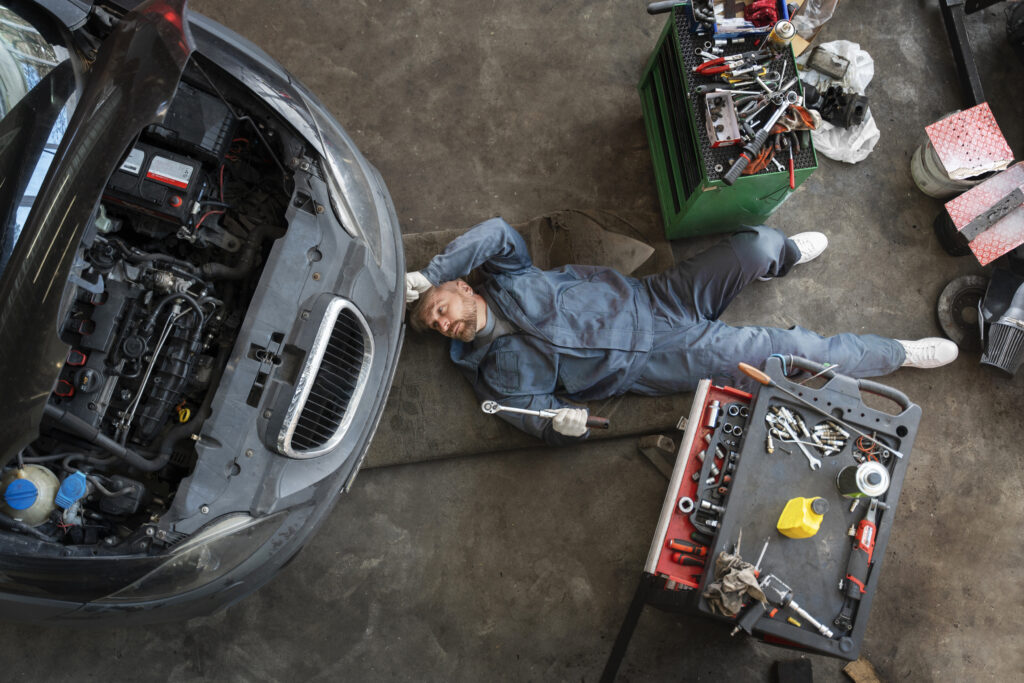
Few things are more alarming than spotting a puddle of liquid under your car. If you’ve ever asked yourself, what should I do if my car is leaking coolant? the answer is simple: act quickly. Ignoring a car leaking coolant issue can lead to overheating, engine damage, and costly repairs. Understanding the causes, signs, and solutions will help you protect your vehicle and your wallet.
Table of Contents
Why Coolant Is Important
Coolant, also known as antifreeze, regulates your engine’s temperature. It absorbs excess heat and prevents freezing in cold weather. Without enough coolant, your engine can overheat, leading to breakdowns or permanent damage. That’s why a car leaking coolant is not something to take lightly.
Signs Your Car Is Leaking Coolant
.
- Sweet Smell: Coolant has a distinct sweet odor that’s noticeable when leaking.
- Overheating Engine: If your temperature gauge rises quickly, coolant loss may be the cause.
- Lant Levels: Frequent top-ups are a clear sign of a leak.
- Steam from the Hood: Overheating due to coolant loss can cause steam to escape.
- Steam from costly repairs. Understanding the causes, signs, and solutions will help you protect your vehicle and your wallet.
- Visible Puddles: Bright green, orange, or pink liquid under your car usually indicates coolant.
Common Causes of Car Leaking Coolant
Several issues can lead to coolant leaks:
- Worn-out hoses or clamps
- Damaged radiator or water pump
- Cracked engine block or head gasket
- Loose connections in the cooling system
- Corrosion inside the radiator
Identifying the source of the leak is the first step toward effective repair.
The Cost of Ignoring a Coolant Leak
A car leaking coolant may seem like a minor issue, but ignoring it can quickly escalate into a major problem. When coolant levels drop, your engine loses its ability to regulate temperature. This leads to overheating, which can warp cylinder heads, damage gaskets, and even crack the engine block. Repairs for these issues often cost thousands of dollars—far more than fixing a simple hose or radiator leak early on.
Beyond repair costs, a neglected coolant leak can leave you stranded on the road, increase fuel consumption, and shorten your vehicle’s lifespan. Coolant also prevents corrosion inside the radiator and water pump, so running low accelerates wear on these components. Acting promptly not only saves money but also ensures your car remains safe and reliable.
What to Do If Your Car Is Leaking Coolant
- Stop Driving Immediately: Continuing to drive with low coolant can cause severe engine damage.
- Check Coolant Levels: If safe, open the reservoir and check fluid levels. Add coolant if critically low, but don’t rely on this as a permanent fix.
- Inspect for Visible Leaks: Look under the car and around the radiator for signs of dripping fluid.
- Seek Professional Help: A mechanic can diagnose the exact cause and repair the leak properly.
- Schedule Regular Maintenance: Prevent future leaks by keeping up with routine cooling system inspections.
Why Timely Repair Matters
Delaying repairs for a car leaking coolant can result in overheating, warped engine parts and even complete engine failure. Addressing the issue early is far less expensive than replacing major components later.
So, what should you do if your car is leaking coolant?
Don’t ignore it. Coolant is essential for engine health and leaks can quickly lead to dangerous and costly problems. By recognizing the signs, checking fluid levels and scheduling professional repairs, you’ll keep your car safe, efficient and reliable.
If you have any questions, you can ask our mechanics on a live chat here or download our mobile app from Apple AppStore and Google Playstore. You can also download our G-OBD AI Diagnostics App on Playstore here.
Leave a Reply