
Table of Contents
Can I Drive With a Leaking Water Pump?
A Water pump leak is a serious issue that should never be ignored. The water pump is a critical component of your vehicle’s cooling system, responsible for circulating coolant throughout the engine to maintain safe operating temperatures.
When a water pump begins to leak, coolant escapes from the system, reducing its ability to cool the engine. This can quickly lead to overheating, engine damage, and expensive repairs.
Many drivers wonder whether it is safe to continue driving with a leaking water pump. The short answer is no. Driving with a water pump leak is risky and can cause severe mechanical failure if not addressed immediately.
Understanding the dangers, warning signs, and repair options can help you protect your vehicle and avoid costly breakdowns.
What Happens When You Have a Water Pump Leak?
When a Water pump leak occurs, the cooling system loses coolant, which prevents the engine from maintaining the correct temperature.
As coolant levels drop, the engine begins to overheat.
This can lead to:
- Engine overheating
- Reduced engine performance
- Warped engine components
- Blown head gasket
- Complete engine failure
- Unexpected roadside breakdown
Even a small leak can escalate quickly, especially during long drives or hot weather.
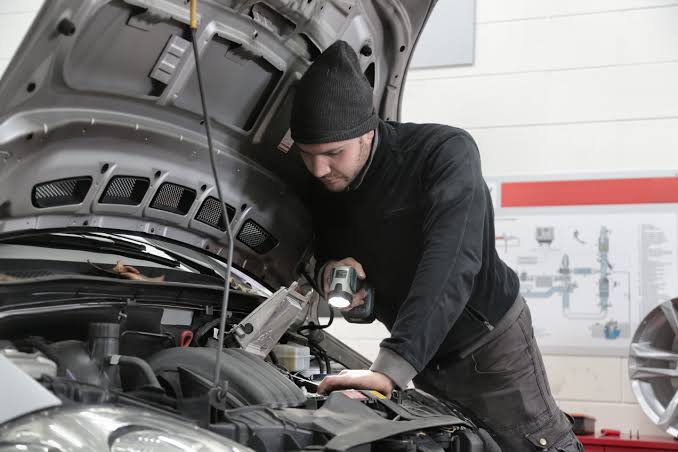
How Long Can You Drive With a Water Pump Leak?
The distance you can drive with a Water pump leak depends on the severity of the leak and the condition of the cooling system.
However, driving for extended periods is strongly discouraged.
General guidelines:
- Small leak: Short distance only (emergency driving)
- Moderate leak: Risk of overheating within minutes
- Severe leak: Immediate engine shutdown likely
If the temperature gauge rises or warning lights appear, stop driving immediately.
Continuing to drive can result in catastrophic engine damage.
Warning Signs of a Water Pump Leak
Recognizing early symptoms helps prevent major mechanical problems.
Common signs of a Water pump leak include:
- Coolant leaking under the vehicle
- Engine overheating
- Steam coming from the engine
- Low coolant level
- Grinding or whining noise
- Sweet smell from coolant
- Temperature warning light
These warning signs indicate that the cooling system is not functioning properly.
Immediate inspection is recommended.
Common Causes of a Water Pump Leak
Understanding what causes a Water pump leak helps prevent future problems.
1. Worn Seals or Gaskets
Seals and gaskets inside the water pump prevent coolant from leaking.
Over time, these components wear out due to heat and pressure.
This is one of the most common causes of water pump leaks.
2. Corrosion Inside the Cooling System
Rust and corrosion can weaken the water pump housing and create leaks.
Corrosion often occurs when:
- Coolant is not replaced regularly
- Contaminated coolant is used
- Maintenance is neglected
Regular coolant replacement helps prevent corrosion.
3. Faulty Water Pump Bearings
Bearings allow the water pump to rotate smoothly.
When bearings fail, the pump shaft becomes unstable and coolant may leak.
Signs include:
- Grinding noise
- Vibration
- Coolant leakage
- Engine overheating
Replacing the water pump is usually required.
4. High Cooling System Pressure
Excessive pressure inside the cooling system can force coolant out of the water pump.
This may happen due to:
- Blocked radiator
- Faulty thermostat
- Damaged radiator cap
- Engine overheating
Maintaining proper system pressure reduces leak risks.
Can a Water Pump Leak Be Repaired?
Whether a Water pump leak can be repaired depends on the cause of the problem.
When Repair Is Possible
Repair may be an option if:
- The leak comes from a loose hose
- A gasket needs replacement
- Bolts are loose
- The damage is minor
These repairs are usually simple and affordable.
When Replacement Is Necessary
Replacement is recommended when:
- The pump housing is cracked
- Bearings are worn out
- The pump shaft is damaged
- There is severe corrosion
- The leak continues after repair
Replacing the water pump ensures reliable cooling system performance.
How Much Does It Cost to Fix a Water Pump Leak?
Repair costs vary depending on the vehicle type and the severity of the leak.
Typical cost estimates include:
- Minor repair: ₦15,000 to ₦40,000
- Water pump replacement: ₦80,000 to ₦250,000
- Labour cost: ₦25,000 to ₦70,000
- Coolant replacement: ₦10,000 to ₦25,000
Fixing the problem early helps prevent expensive engine repairs.
What Should You Do If Your Water Pump Is Leaking?
If you suspect a Water pump leak, take action immediately.
Follow these steps:
- Check coolant levels
- Look for visible leaks
- Monitor engine temperature
- Avoid long-distance driving
- Schedule vehicle inspection
- Repair the issue promptly
Quick action reduces the risk of engine damage.
How to Prevent a Water Pump Leak
Preventive maintenance helps extend the life of your water pump.
Follow these maintenance tips:
- Replace coolant regularly
- Inspect hoses and belts
- Fix overheating problems quickly
- Use the correct coolant type
- Schedule routine vehicle maintenance
- Check for leaks frequently
Regular maintenance improves engine reliability.
Where to Get Help
If you’re unsure about your car condition or need expert advice, you can easily reach out for help. Getting professional assistance early can prevent small problems from turning into costly repairs.
You can ask professional mechanics here:
https://askamechanic.asoroautomotive.com/
You can also access support here:
https://admin.asoroautomotive.com/
Or download the mobile app:
Apple App Store:
https://apps.apple.com/ng/app/ask-a-mechanic-app/id6758545607
Google Play Store:
https://play.google.com/store/apps/details?id=co.median.android.krrjkbd
You can also download the G-OBD AI Diagnostics App here:
https://play.google.com/store/apps/details?id=com.asoro.automotive
Getting professional help quickly can improve vehicle safety, reduce repair costs, and keep your vehicle running smoothly.
Conclusion
A Water pump leak is a serious warning sign that should never be ignored. Driving with a leaking water pump can lead to engine overheating, mechanical failure, and expensive repairs.
Recognizing early symptoms, performing regular maintenance, and seeking professional help quickly are the best ways to protect your vehicle and ensure safe driving.
Leave a Reply