
Electrical problems in cars can often be traced back to something as simple as a blown car fuse. Because fuses are designed to protect your vehicle’s electrical system, knowing how to tell if one has failed is an essential skill for every driver. Let’s explore what car fuses do, the signs of a blown fuse, and how you can check and replace them safely.
Table of Contents
What Is a Car Fuse?
A car fuse is a small but vital component in your vehicle’s electrical system. It acts as a safety device, cutting off power when there’s an overload or short circuit. By breaking the circuit, the fuse prevents damage to wiring, electronics, and other sensitive parts.
Without fuses, even minor electrical issues could escalate into major damage or fire hazards. They are the first line of defense in keeping your car’s electrical systems safe and reliable.
Signs of a Blown Car Fuse
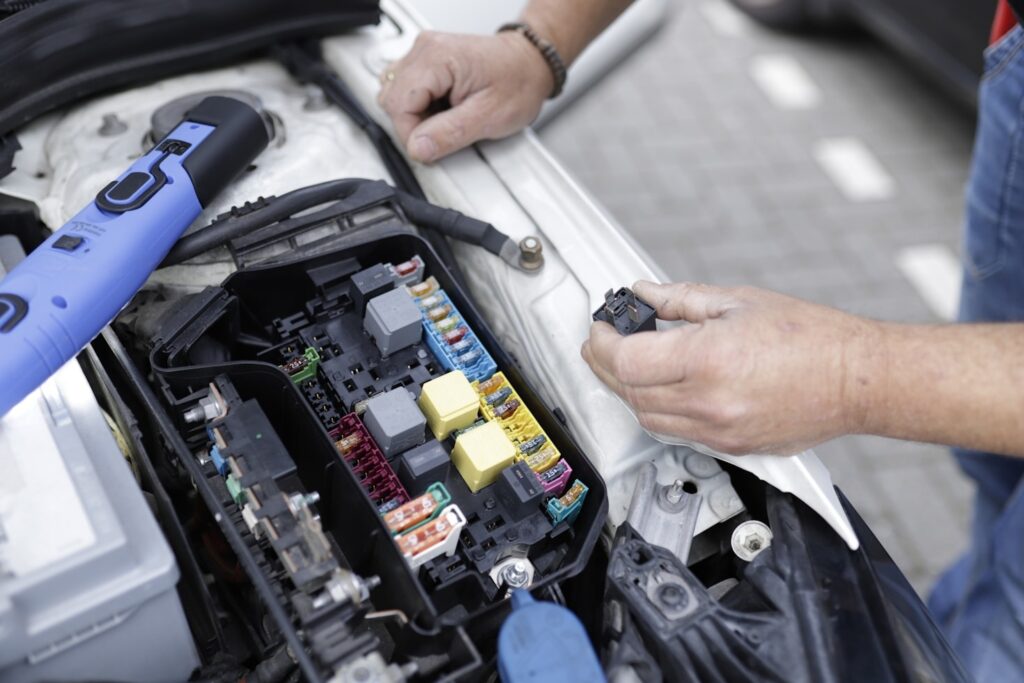
Recognizing the symptoms of a blown fuse can save you time and help you pinpoint the problem quickly.
1. Electrical Component Failure
If your radio, headlights, power windows, or other electrical accessories suddenly stop working, a blown fuse may be the cause.
2. No Power to Certain Systems
A blown fuse cuts power to the specific circuit it protects, leaving that system completely nonfunctional even though the rest of the car operates normally.
3. Visual Damage
When inspecting the fuse, you may notice a broken metal strip inside or discoloration such as black marks. These are clear indicators that the fuse has burned out.
How to Check a Car Fuse
Checking fuses is straightforward and requires only basic tools.
- Locate the Fuse Box
Most vehicles have fuse boxes under the dashboard, near the steering wheel, or in the engine compartment. - Identify the Suspect Fuse
Use the diagram on the fuse box cover or your car’s manual to find the fuse connected to the malfunctioning system. - Remove and Inspect the Fuse
Pull the fuse out carefully using a fuse puller or needle‑nose pliers. If the metal strip inside is broken or burned, the fuse is blown. - Test with a Multimeter
For a more accurate check, use a multimeter to test continuity. A blown fuse will show no continuity, confirming that it needs replacement.
What to Do If a Car Fuse Is Blown
Replacing a fuse is simple and inexpensive:
- Always replace it with one of the same amperage rating to avoid damaging your electrical system.
- Keep spare fuses in your glove compartment for emergencies.
- If the new fuse blows again quickly, it may indicate a deeper electrical problem such as a short circuit or faulty wiring. In that case, professional inspection is necessary.
Preventive Tips
To reduce the risk of blown fuses:
- Avoid overloading circuits with aftermarket accessories.
- Use manufacturer‑approved electrical components.
- Inspect fuse boxes periodically for corrosion or moisture.
- Address electrical issues promptly rather than ignoring them.
Final Thoughts
So, how do you tell if a car fuse is blown? Look for sudden electrical failures, no power to certain systems, or visible damage inside the fuse. Checking fuses is quick and easy, and replacing them correctly ensures your vehicle’s electrical systems remain safe and functional.
By learning this simple skill, you can save time, avoid unnecessary trips to the mechanic, and keep your car running smoothly.
If you have any questions, you can ask our mechanics on a live chat here or download our mobile app from Apple AppStore and Google Playstore. You can also download our G-OBD AI Diagnostics App on Playstore here.
Leave a Reply