
Modern vehicles rely heavily on electrical systems to power everything from engine control units to simple interior lights. At the center of this system are Automotive fuses, small components that play a critical role in protecting your car from serious electrical damage.
If you’ve ever experienced a sudden loss of power in a specific part of your vehicle, chances are a fuse was involved. This guide explains what they do, why they matter, and how they protect your car.
Table of Contents
What Are Automotive Fuses?
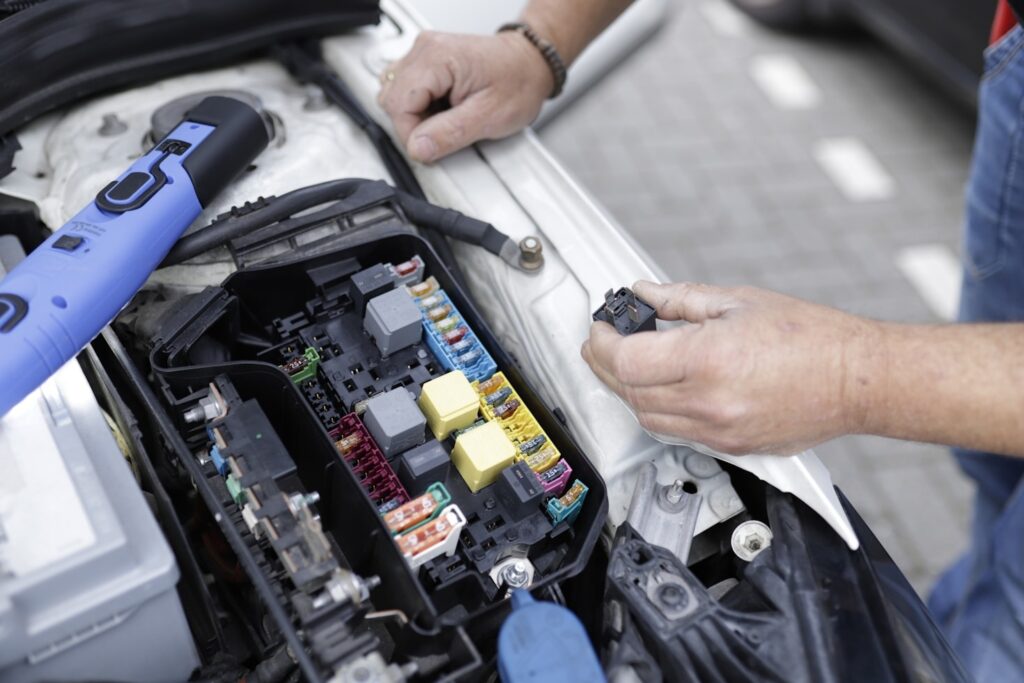
Automotive fuses are safety devices designed to protect electrical circuits from excessive current. Each fuse contains a thin metal strip that melts when the current exceeds a safe level, breaking the circuit instantly.
This prevents:
- Overheating
- Wiring damage
- Electrical fires
Instead of allowing expensive components to fail, the fuse sacrifices itself.
How Automotive Fuses Work
The operation of Automotive fuses is simple but effective:
- Electricity flows through a circuit under normal conditions
- If current becomes too high, the fuse heats up
- The internal metal strip melts
- The circuit is broken, stopping the flow of electricity
This immediate interruption protects the rest of the system from damage.
Why Automotive Fuses Are Important
Without Automotive fuses, even a minor electrical fault could cause major damage. Their importance includes:
1. Protecting Electrical Components
Sensitive parts like sensors, control modules, and infotainment systems rely on stable current. Fuses ensure they are not exposed to dangerous spikes.
2. Preventing Electrical Fires
Excess current can overheat wires quickly. Fuses stop this before it becomes a fire hazard.
3. Isolating Faults
When a fuse blows, it usually affects only one circuit. This makes it easier to identify where the problem is located.
Types of Automotive Fuses
Vehicles use different types, depending on the circuit and current requirements.
Blade Fuses
- Most common in modern cars
- Found in fuse boxes
- Color-coded by amperage
Maxi Fuses
- Used for high-current systems
- Protect major components like cooling fans or charging systems
Fusible Links
- Built into wiring harnesses
- Protect heavy-duty circuits like the starter and alternator
Signs of a Blown Fuse
Recognizing a blown fuse helps you act quickly. Common signs include:
- A single electrical feature stops working
- No power to a specific component
- Sudden and complete failure (not gradual)
These symptoms point directly to a fuse issue rather than a broader electrical failure.
What Causes Automotive Fuses to Blow?
Fuses don’t fail randomly. They respond to underlying problems such as:
- Short circuits
- Faulty components
- Overloaded circuits
- Damaged or exposed wiring
If a replacement fuse fails again, it means the root cause has not been fixed.
What Happens If You Use the Wrong Fuse?
Using the wrong fuse—especially one with a higher rating—can be dangerous.
It may:
- Allow excessive current to flow
- Damage wiring
- Lead to electrical fires
Always match the exact rating specified for the circuit.
Where to Find Automotive Fuses
Most vehicles have multiple fuse locations:
- Inside the cabin (for accessories)
- Under the hood (for high-power systems)
The fuse box diagram helps you identify each circuit quickly.
Helpful Tools and Resources
If you need expert help or advanced diagnostics, these resources are useful:
- Ask professional mechanics directly:
https://askamechanic.asoroautomotive.com - Access general support and resources:
https://admin.asoroautomotive.com - Download the Ask a Mechanic mobile app:
• Apple App Store: Ask a Mechanic App (iOS)
https://apps.apple.com• Google Play Store: Ask a Mechanic App (Android)
https://play.google.com - Download the G-OBD AI Diagnostics App:
• Google Play Store: G-OBD AI Diagnostics App
https://play.google.com
Final Thoughts
Fuses are small components with a big responsibility. They protect your vehicle’s electrical system, prevent costly damage, and make troubleshooting easier by isolating faults.
Understanding how they work helps you respond correctly when something goes wrong—and avoid turning a simple issue into an expensive repair.
Quick Tip:
If an electrical component stops working suddenly, check the fuse first. It’s often the simplest and fastest solution.
Leave a Reply