
Modern vehicles are packed with electrical systems, from engine management to comfort features like air conditioning and infotainment. To protect all these systems, manufacturers install multiple Fuses in a Car, often more than most drivers expect.
If you’ve ever wondered how many fuses your car has and why there are so many, this guide breaks it down clearly.
Table of Contents
How Many Fuses Are in a Car?
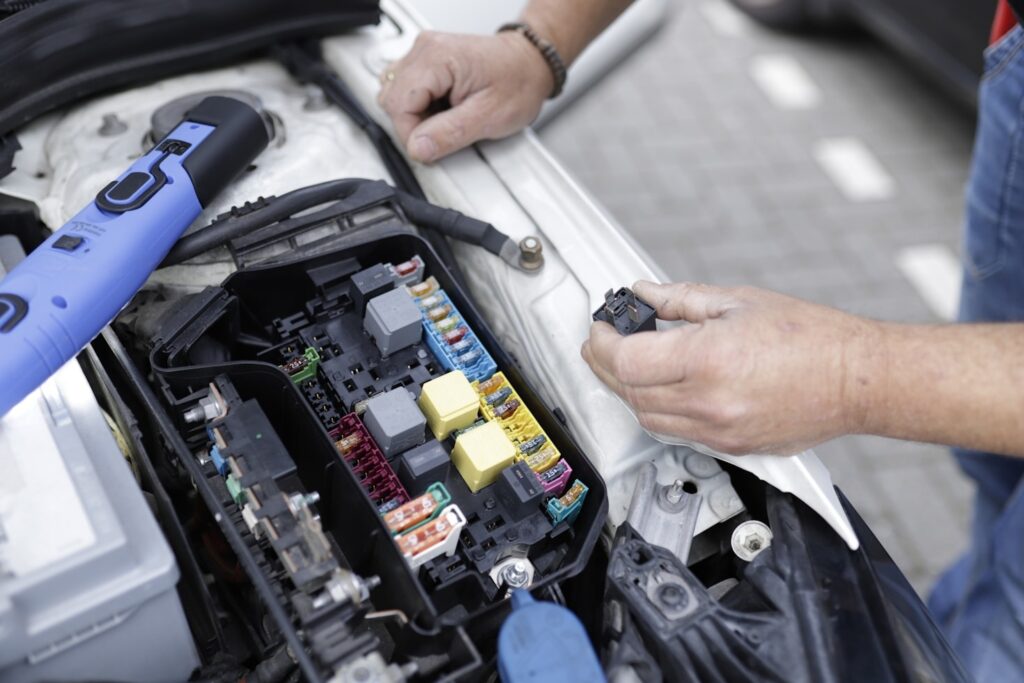
The number of Fuses in a Car varies depending on the vehicle’s make, model, and level of technology. However, most modern cars typically have:
- 40 to 60 fuses in total
- Some vehicles can have 70 or more
- High-end or newer models may include even more due to advanced electronics
Each fuse is assigned to a specific circuit, ensuring that every system is properly protected.
Why Cars Have So Many Fuses
Vehicles today rely heavily on electronics. Instead of a few shared circuits, each system has its own protection.
1. Individual Circuit Protection
Every major component—like lights, radio, or power windows—has its own fuse. This ensures that:
- A fault in one system doesn’t affect others
- Problems are easier to diagnose
2. Increased Electrical Features
Modern cars include:
- Advanced driver assistance systems
- Infotainment and navigation
- Climate control systems
More features mean more circuits—and more Fuses in a Car to protect them.
3. Safety and Reliability
Separating circuits reduces the risk of:
- Electrical overload
- Wiring damage
- System-wide failures
Where Are Fuses Located in a Car?
Most vehicles have multiple fuse boxes to manage different electrical loads.
Interior Fuse Box
- Located under the dashboard or behind a panel
- Handles low to medium power systems like:
- Radio
- Interior lights
- Power windows
Engine Bay Fuse Box
- Found under the hood
- Protects high-current systems such as:
- Cooling fans
- ABS system
- Engine control components
Additional Fuse Locations
Some vehicles may include:
- Rear fuse panels
- Inline fusible links near the battery
These handle heavy-duty electrical circuits.
Types of Fuses in a Car
Not all Fuses in a Car are the same. Common types include:
Blade Fuses
- Most widely used
- Color-coded for easy identification
Maxi Fuses
- Larger fuses for high-current circuits
- Used in engine bay fuse boxes
Fusible Links
- Built into wiring rather than fuse boxes
- Protect major systems like the starter and alternator
How to Identify the Right Fuse
Each fuse corresponds to a specific circuit. To find the correct one:
- Check the fuse box diagram (usually on the cover)
- Refer to your owner’s manual
- Match the fuse number to the system
Knowing this saves time when troubleshooting electrical issues.
What Happens When a Fuse Blows?
When one of the Fuses in a Car fails:
- The protected component stops working
- The circuit is safely disconnected
This prevents damage to wiring and electronics.
If a fuse blows repeatedly, it indicates an underlying issue such as:
- A short circuit
- A faulty component
- Damaged wiring
Do All Cars Have the Same Number of Fuses?
No. The number of Fuses in a Car depends on:
- Vehicle age
- Technology level
- Manufacturer design
Older cars may have fewer than 30 fuses, while newer vehicles can have double that number or more.
Helpful Tools and Resources
If you need help diagnosing fuse-related issues or understanding your car’s electrical system, these resources can assist:
- Ask professional mechanics directly:
https://askamechanic.asoroautomotive.com - Access general support and resources:
https://admin.asoroautomotive.com - Download the Ask a Mechanic mobile app:
• Apple App Store: Ask a Mechanic App (iOS)
https://apps.apple.com• Google Play Store: Ask a Mechanic App (Android)
https://play.google.com - Download the G-OBD AI Diagnostics App:
• Google Play Store: G-OBD AI Diagnostics App
https://play.google.com
Final Thoughts
The number of Fuses in a Car might seem excessive at first, but each one plays a specific role in protecting your vehicle’s electrical system. As cars become more advanced, the number of fuses increases to match the complexity.
Understanding how many fuses your car has—and where to find them—makes troubleshooting faster and helps prevent costly repairs.
Quick Tip:
Take a few minutes to study your fuse box diagram. Knowing which fuse controls what can save you time when something stops working unexpectedly.
Leave a Reply