
Driving with a water pump leak is one of the riskiest decisions a driver can make. While the car may still run for a short distance, the consequences of continuing to operate with a compromised cooling system can be severe. Let’s break down why a water pump leak is dangerous, what happens if you ignore it, and why immediate repair or replacement is the only safe option.
Table of Contents
Why a Water Pump Leak Is Serious
The water pump is the central component of your car’s cooling system. Its job is to circulate coolant from the radiator through the engine and back again, keeping temperatures stable. When the pump leaks, coolant escapes from the system. Without enough coolant, the engine cannot regulate its temperature properly.
Even a small leak reduces coolant levels and circulation efficiency. This can quickly lead to overheating, which may cause:
- A blown head gasket
- Warped cylinder heads
- Cracked engine blocks
These are catastrophic failures that cost thousands of dollars to repair. That’s why any water pump leak should be treated as urgent.
What Happens If You Drive With a Leaking Water Pump
Continuing to drive with a leaking water pump exposes your vehicle to several dangerous outcomes:
- Engine Overheating – Without proper coolant circulation, the engine temperature rises rapidly.
- Loss of Coolant – The leak steadily reduces coolant levels, leaving the system unable to function effectively.
- Damage to Other Components – Overheating can harm the radiator, thermostat, and other parts of the cooling system.
- Unexpected Breakdown – A leaking water pump can fail completely, leaving you stranded on the road.
Even if the leak seems minor, it can worsen quickly. A small drip today can become a major gush tomorrow, especially under the pressure and heat of normal driving.
Signs of a Water Pump Leak
Recognizing the symptoms early can help you avoid costly repairs. Common signs include:
- Coolant puddles under the car, especially near the front of the engine
- Steam coming from the radiator or hood
- Engine temperature gauge rising above normal
- Grinding or whining noises from the water pump area
- Visible rust, residue, or corrosion around the pump housing
If you notice any of these warning signs, stop driving and have your vehicle inspected immediately.
Should You Drive With a Water Pump Leak?
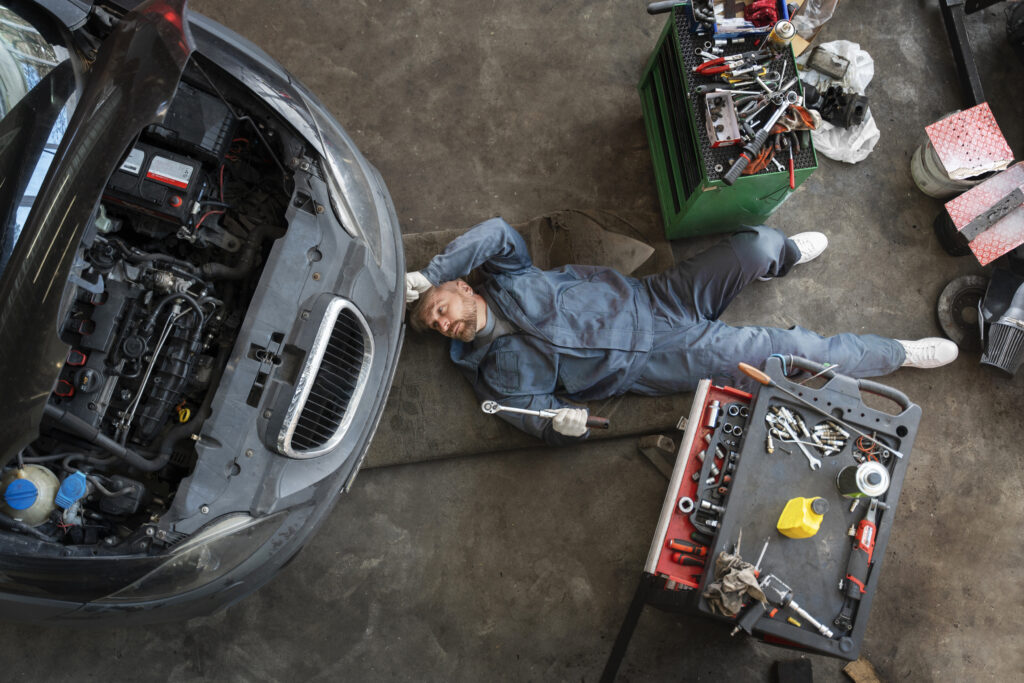
The short answer is no. Driving with a water pump leak puts your engine at serious risk. Even if the leak seems minor, it can worsen quickly and lead to catastrophic damage. Technically, you might be able to drive for a short distance, but it is highly unsafe and not recommended.
A water pump leak compromises your cooling system, increases the risk of overheating, and can cause severe engine damage. Addressing the issue promptly is the best way to protect your vehicle and avoid expensive repairs.
Repair vs. Replacement
Many drivers wonder if a leaking water pump can be repaired. In most cases, the answer is no. While temporary fixes such as sealants or stop‑leak products may slow down the leak, they do not solve the underlying problem.
Leaks usually stem from worn seals, corroded housing, or damaged bearings. These cannot be reliably repaired. Mechanics almost always recommend a full water pump replacement rather than repair. A new pump restores proper coolant circulation, prevents further leaks, and ensures long‑term reliability.
Cost of Water Pump Replacement
The cost of replacing a water pump varies depending on the vehicle and labor charges. On average:
- Parts: $50–$200 for standard vehicles; $200+ for luxury models
- Labor: $200–$500 depending on accessibility and complexity
- Total: $300–$700 for most cars
Though it may feel like a significant expense, it is far less costly than repairing an overheated engine or replacing a damaged cylinder head.
Preventive Maintenance Tips
To extend the life of your water pump and avoid leaks:
- Check coolant levels regularly and top up as needed.
- Flush the radiator every 1–2 years to prevent rust and debris buildup.
- Inspect belts and hoses during routine servicing.
- Use manufacturer‑recommended coolant to avoid chemical damage.
- Address overheating promptly—ignoring high temperatures strains the pump.
Final Thoughts
So, can you drive with a leaking water pump? Technically, yes, but it is highly unsafe and strongly discouraged. A leaking water pump compromises your cooling system, increases the risk of overheating, and can cause severe engine damage.
The best solution is to stop driving immediately and have the pump inspected and replaced by a qualified mechanic. Addressing the issue promptly will save you money, protect your engine, and keep your vehicle running smoothly.
If you have any questions, you can ask our mechanics on a live chat here or download our mobile app from Apple AppStore and Google Playstore. You can also download our G-OBD AI Diagnostics App on Playstore here.
Leave a Reply