
A radiator fluid leak is not a minor inconvenience—it is a serious warning sign that your engine is at risk. Many drivers are tempted to keep driving, especially if the leak seems small, but this decision can lead to severe and costly damage.
If your car has a radiator fluid leak, understanding the risks and knowing what to do immediately can save your engine.
In this guide, you’ll learn whether it’s safe to drive with a radiator leak, the dangers involved, and the right steps to take.
Table of Contents
What Is a Radiator Fluid Leak?
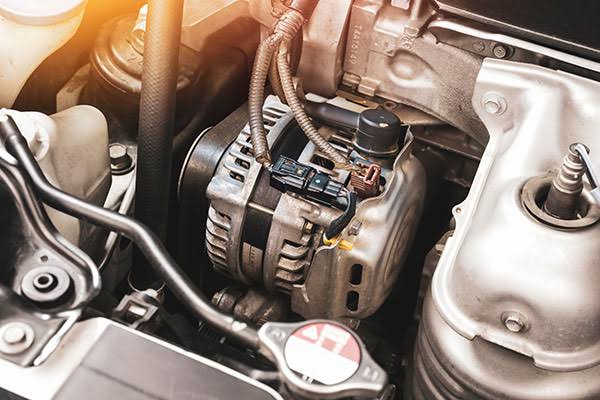
A radiator fluid leak occurs when coolant escapes from the radiator or connected components. This reduces the cooling system’s ability to regulate engine temperature.
The radiator plays a key role in:
- Dissipating heat
- Maintaining optimal engine temperature
- Preventing overheating
When a radiator leak develops, the entire cooling system becomes compromised.
Can You Drive with a Radiator Fluid Leak?
The short answer is: you should not.
Driving with a radiator fluid leak is extremely risky because:
- Coolant levels drop quickly
- Engine temperature rises rapidly
- Overheating can occur within minutes
Even a small radiator leak can escalate into a major engine problem if ignored.
Related reading: Driving with a Radiator Leak: Why This is a Bad Idea
What Happens If You Keep Driving?
Continuing to drive with a radiator fluid leak can lead to serious consequences.
Rapid Engine Overheating
Without enough coolant:
- Heat builds up quickly
- The engine cannot cool itself
This is the most immediate danger of a radiator leak.
Blown Head Gasket
Overheating often leads to:
- Head gasket failure
- Coolant mixing with oil
This significantly increases repair costs.
Warped or Cracked Engine Components
Extreme heat can:
- Warp the cylinder head
- Crack the engine block
These are severe outcomes of ignoring a radiator leak.
Complete Engine Failure
In worst-case scenarios:
- The engine seizes
- Replacement becomes necessary
A small radiator leak can ultimately destroy your engine.
Signs You Have a Radiator Fluid Leak
Recognizing the symptoms early can prevent serious damage.
Visible Coolant Puddles
You may see:
- Colored fluid under your car
This is a direct sign of a radiator leak.
Steam from the Bonnet
Steam indicates:
- Coolant is leaking onto hot engine parts
- The engine is overheating
Rising Temperature Gauge
A radiator leak reduces cooling efficiency, causing:
- Rapid temperature increase
Sweet Smell
Coolant has a distinct sweet odor. If you notice this smell, it may indicate a radiator leak.
What to Do If You Notice a Radiator Fluid Leak
If you suspect a radiator fluid leak, take immediate action:
- Pull over safely
- Turn off the engine
- Allow the engine to cool completely
- Check coolant levels
Do not open the radiator cap while the engine is hot.
Temporary Measures
If you must move the vehicle a short distance:
- Add water as a temporary substitute
- Monitor the temperature gauge closely
This is only a short-term solution for a radiator fluid leak.
Proper Fixes for a Radiator Fluid Leak
To permanently fix a radiator fluid leak, you may need to:
- Repair or replace the radiator
- Replace damaged hoses
- Fix leaks in the cooling system
- Replace faulty components
Proper repair ensures the issue does not return.
Why You Should Act Immediately
Delaying repairs for a radiator fluid leak can lead to:
- Increased repair costs
- Engine damage
- Safety risks
Addressing the issue early protects your vehicle and your wallet.
When to Seek Professional Help
If the leak is not clearly visible or continues after basic checks, professional diagnosis is necessary.
You can:
- Ask A Mechanic — Get answers from qualified mechanics directly
- You can also access the full Asoro Automotive platform for vehicle records, service tracking, and support:
- Asoro Automotive Platform
- Or download the mobile app to connect with mechanics and track your vehicle maintenance history on the go:
- Download on Apple App Store
- Download on Google Play Store
- For deeper diagnostic insights — understanding what your scanner results actually mean beyond just the fault code — the G-OBD AI Diagnostics App was built specifically for this:
- Download G-OBD AI Diagnostics App
These tools help identify and fix the source of the radiator leak efficiently.
Final Thoughts
A radiator leak is a serious warning sign that should never be ignored. While it may be tempting to keep driving, the risks far outweigh the convenience.
Stopping early, diagnosing the issue, and fixing it properly can prevent overheating and costly engine damage.
If your car shows any signs of a radiator leak, take action immediately.
Leave a Reply