
A radiator fluid leak is a serious issue that can affect the performance and longevity of your vehicle. Many drivers wonder, “Can you drive a car with a radiator leak?” While it might be possible in the short term, doing so can lead to severe engine damage, overheating, and costly repairs.
In this guide, we’ll explain what a radiator leak is, how to detect it, the risks of driving with a leak, repair options, and tips for preventing future leaks.
Table of Contents
What Is a Radiator Fluid Leak?
The radiator is a key component of your car’s cooling system. It circulates coolant (antifreeze mixed with water) through the engine to maintain optimal operating temperatures. A radiator fluid leak occurs when coolant escapes from the radiator, hoses, or connections, reducing the efficiency of your cooling system.
Common causes of a radiator leak include:
● Corrosion or rust in the radiator
● Physical damage from road debris or accidents
● Worn or cracked hoses and clamps
● Faulty radiator cap or connections
A leaking radiator can lead to a significant drop in coolant levels, which directly impacts engine performance.
Symptoms of a Radiator Fluid Leak
Detecting a radiator fluid leak early can prevent major damage. Common signs include:
- Low Coolant Levels: The coolant reservoir frequently empties.
- Overheating Engine: Temperature gauge rises above normal.
- Puddles Under the Car: Bright green, orange, or pink fluid under the engine.
- Sweet Smell: Coolant has a distinct sweet odor.
- Steam from the Engine: Steam may appear from under the hood while driving.
- Poor Heater Performance: Cabin heater may blow cold air due to low coolant.
If you notice any of these symptoms, inspect your cooling system immediately.
Can You Drive a Car with a Radiator Leak?
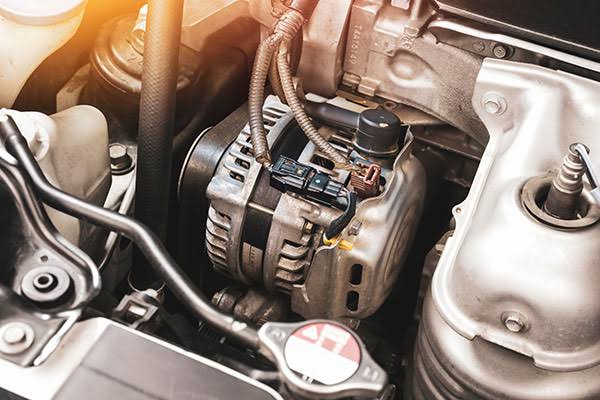
Technically, you can drive a car with a small radiator leak, but it is not recommended. Doing so carries significant risks:
1. Engine Overheating
A radiator leak reduces the coolant available to regulate engine temperature. Overheating can warp the cylinder head, damage the head gasket, and even destroy the engine.
2. Reduced Engine Performance
Low coolant levels can cause the engine to misfire, lose power, or stall.
3. Risk of Total Engine Failure
Continuing to drive with a radiator leak can escalate minor damage into catastrophic engine failure, which is far more expensive than fixing the leak.
4. Safety Concerns
Overheating can cause the car to break down unexpectedly, leaving you stranded in traffic or unsafe locations.
Bottom line: Only drive a short distance to a repair shop if necessary, and only after ensuring the engine has cooled down and coolant levels are topped up.
How to Drive Safely with a Radiator Leak (Short Distances Only)
If you must drive with a minor radiator fluid leak to reach a service center:
- Check Coolant Levels: Fill the reservoir before starting the engine.
- Drive Slowly: Avoid high speeds and stop-and-go traffic.
- Monitor Temperature Gauge: Stop immediately if the engine begins to overheat.
- Avoid Heavy Loads: Don’t tow trailers or carry excessive weight.
- Carry Extra Coolant: Keep coolant in the car for emergencies.
Remember, this is only a temporary measure to reach a repair facility safely.
How Much Does Radiator Leak Repair Cost?
The cost of fixing a radiator leak varies depending on the source and severity:
● Hose or Clamp Replacement: $50–$150
● Radiator Repair or Patch: $100–$300
● Radiator Replacement: $300–$900+
● Labor Costs: $100–$300 depending on location and vehicle model
Prompt repair prevents more extensive damage and higher repair costs.
Tips to Prevent Radiator Fluid Leaks
Proper maintenance can reduce the risk of a radiator fluid leak:
● Check Coolant Levels Regularly: Top up as needed.
● Inspect Hoses and Connections: Look for cracks, wear, or loose clamps.
● Flush Radiator Periodically: Removes rust and debris.
● Replace Old Radiators: Corrosion weakens the radiator over time.
● Monitor Temperature Gauge: Early signs of overheating indicate potential leaks.
Consistent care ensures your cooling system operates efficiently and avoids costly repairs.
Conclusion
While it is possible to drive a car with a radiator fluid leak for very short distances, it is not safe or recommended. Driving with a leak can lead to engine overheating, performance issues, and total engine failure.
If you notice signs of a leak, top up the coolant and drive cautiously to a qualified mechanic. Prompt radiator leak repairis essential to protect your engine, avoid costly repairs, and ensure safe vehicle operation.
Maintaining your radiator, checking coolant levels regularly, and addressing leaks immediately can save you money and prevent major engine problems down the road.
If you have any questions, you can ask our mechanics on a live chat here or download our mobile app from Apple AppStore and Google Playstore. You can also download our G-OBD AI Diagnostics App on Playstore here.
Leave a Reply