
A coolant leak is one of those car problems many drivers are tempted to ignore especially when the vehicle still seems to run fine. But can you drive a car with a coolant leak without causing serious damage? The short answer is no, and the longer answer could save you from an expensive engine repair.
In this guide, you’ll learn what happens when your car has a coolant leak, the risks of driving with it, and the best ways to fix a coolant leak before it becomes a major problem.
What Is a Coolant Leak?
Coolant (also known as antifreeze) is the liquid that keeps your engine from overheating. A coolant leak occurs when this fluid escapes from the cooling system due to damage, wear, or loose components.
Common signs of a coolant leak include:
- Puddles of green, orange, or pink fluid under your car
- A rising temperature gauge
- Steam coming from under the hood
- A sweet smell around the engine
- Frequent need to top up coolant
Ignoring these signs can lead to serious engine trouble.
Can You Drive a Car With a Coolant Leak?
Technically, you can drive a car with a leak for a short distance but it is not safe and strongly discouraged.
Here’s why:
- Coolant regulates engine temperature
- A leak causes overheating
- Overheating can warp engine parts
- Engine failure may occur within minutes
Even a small leak of coolant can quickly become a big problem if left unattended.
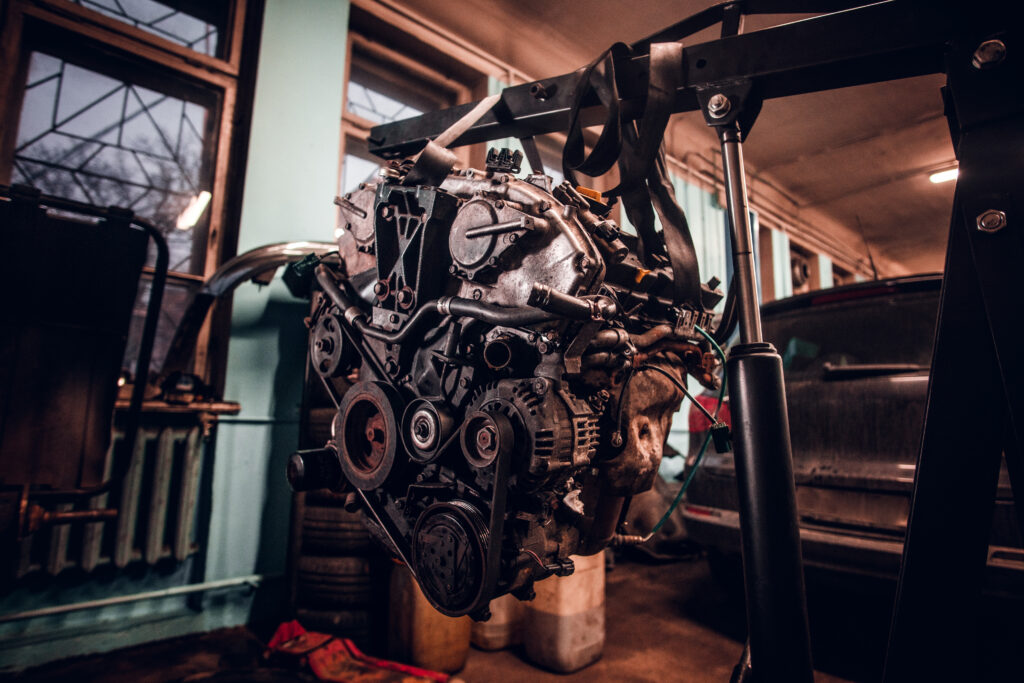
Risks of Driving With a Coolant Leak
Driving without fixing a leak in coolant can result in:
1. Engine Overheating
Without enough coolant, your engine will overheat rapidly, especially in traffic or hot weather.
2. Blown Head Gasket
Overheating can cause the head gasket to fail one of the most expensive engine repairs.
3. Cracked Engine Block
Extreme heat can crack engine components, sometimes requiring a full engine replacement.
4. Complete Engine Breakdown
In worst cases, the engine can seize entirely, leaving you stranded.
Common Causes of Coolant Leaks
To properly fix a leak in your cooling system, you first need to know where it’s coming from. Common causes include:
- Damaged radiator
- Worn radiator hoses
- Loose hose clamps
- Cracked coolant reservoir
- Faulty water pump
- Blown head gasket
A mechanic can pressure-test the system to locate the exact source.
How to Fix
The right solution depends on the cause of the leak. Here are the most common ways to fix a coolant leak:
1. Replace Damaged Hoses
Cracked or brittle hoses should be replaced immediately.
2. Tighten or Replace Hose Clamps
Loose clamps can cause slow leaks and are easy to fix.
3. Repair or Replace the Radiator
Small radiator leaks may be repaired, but severe damage often requires replacement.
4. Fix the Water Pump
If the water pump is leaking, replacement is usually the only option.
5. Use a Coolant Leak Sealant (Temporary Fix)
Sealants can work as a short-term solution, but they are not a permanent fix and may cause blockages if overused.
Should You Drive Before You Fix?
If the leak is very minor, you may be able to drive a short distance while monitoring engine temperature but this should only be done to reach a repair shop.
Never drive if:
- The temperature gauge is in the red zone
- Steam is coming from the engine
- The coolant level drops quickly
In these cases, stop immediately and get professional help.
How Much Does It Cost to Fix?
The cost to fix a coolant leak varies depending on the issue:
- Hose replacement: Low cost
- Radiator repair: Moderate cost
- Water pump or head gasket repair: High cost
Fixing the problem early can save you hundreds or even thousands of dollars.
Final Thoughts: Fix a Coolant Leak Before It’s Too Late
So, can you drive a car with a coolant leak? While it might seem possible in the short term, the risks far outweigh the convenience. Driving with a coolant leak can lead to overheating, engine damage, and costly repairs.
The smartest move is to fix a coolant leak as soon as you notice it. Early repairs protect your engine, your wallet, and your safety on the road.
If you suspect a coolant leak, don’t delay get it checked and fixed immediately.
If you have any questions, you can ask our mechanics on a live chat here or download our mobile app from Apple AppStore and Google Playstore. You can also download our G-OBD AI Diagnostics App on Playstore here.
Leave a Reply