
Tyres are one of the most critical components of a vehicle. They provide the necessary traction, stability, and safety on the road. Knowing how often to change tyre is essential for preventing accidents, ensuring optimal performance, and extending the lifespan of your vehicle.
Many drivers underestimate the importance of timely tyre replacement, leading to uneven wear, reduced handling, and increased risk of tyre failure. In this guide, we’ll cover everything you need to know about when and why to change tyre, how to determine if your tyres need replacement, and tips for maintaining your tyres for safety and efficiency.
Table of Contents
Why Changing Tyres on Time Matters
Tyres are the only contact point between your car and the road, which makes their condition vital for your safety. Driving on worn or damaged tyres can lead to:
Reduced Traction: Worn tyres lose grip, especially on wet or slippery surfaces, increasing the risk of skidding or hydroplaning.
Poor Handling: Uneven or old tyres affect steering response, braking, and vehicle stability.
Increased Accident Risk: Tyre blowouts or failures can occur if tyres are worn beyond safe limits.
Reduced Fuel Efficiency: Worn tyres increase rolling resistance, causing the engine to work harder and consume more fuel.
Replacing tyres at the right time ensures your vehicle remains safe, reliable, and cost-effective.
How Often Should You Change Tyres?
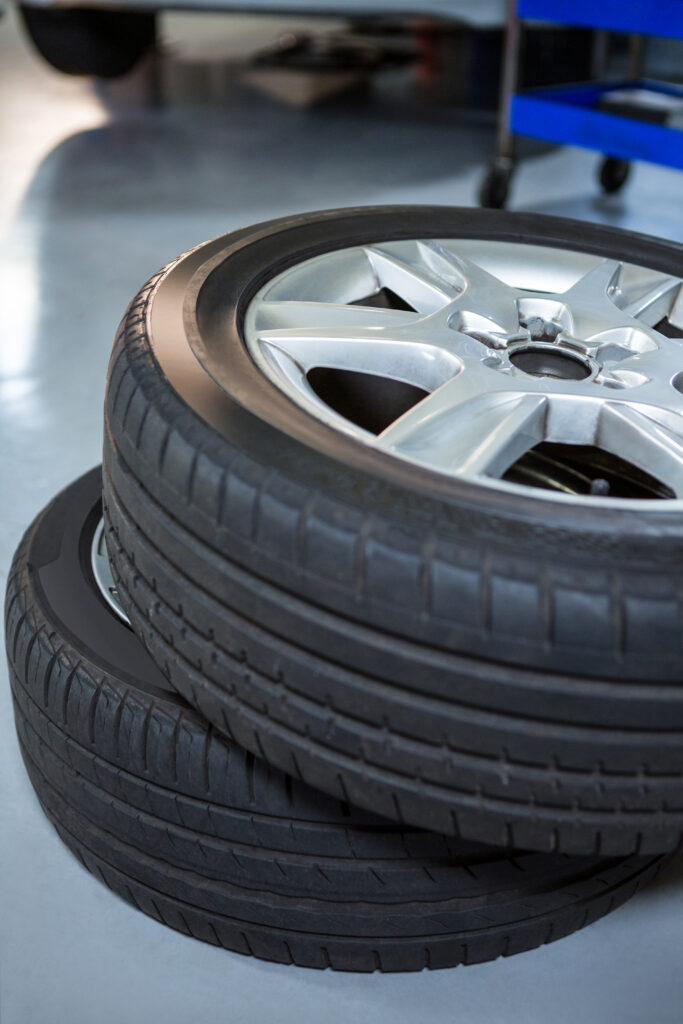
The frequency of tyre replacement depends on multiple factors, including mileage, tyre type, driving conditions, and maintenance habits. While there’s no universal rule, most experts recommend changing tyres every 4 to 6 years or between 25,000 to 50,000 miles (40,000 to 80,000 kilometers).
However, these are general guidelines. Some tyres may wear out faster, while high-quality tyres can last longer if properly maintained. Regular inspections and proper maintenance are crucial to determining the right time to change tyre.
Factors That Influence Tyre Lifespan
1. Tyre Quality and Type
High-performance tyres or premium brands may last longer than budget tyres. Tyres designed for specific conditions, like winter or off-road tyres, may also have shorter lifespans due to their softer rubber compounds.
2. Driving Habits
Aggressive driving, frequent hard braking, sharp cornering, and high-speed driving can accelerate tyre wear. Smooth, consistent driving helps extend tyre life.
3. Road Conditions
Frequent driving on rough, uneven, or unpaved roads can wear tyres faster. Potholes, debris, and poor road surfaces contribute to faster deterioration.
4. Maintenance Practices
Regular tyre maintenance, including tyre rotation, balancing, alignment, and pressure checks, significantly impacts tyre longevity. Neglecting these can shorten the lifespan of even high-quality tyres.
5. Climate and Environment
Extreme temperatures, excessive sunlight, or wet conditions can affect tyre rubber. High heat accelerates wear, while cold conditions can cause cracking over time.
Signs That You Need to Change Tyres
Even if your tyres haven’t reached the recommended mileage or age, there are specific signs indicating it’s time to change tyre:
- Tread Wear: Tyres have built-in tread wear indicators. If the tread is at or below 1.6mm, it’s time to replace the tyre.
- Cracks or Bulges: Visible cracks in the sidewall or bulges indicate structural damage.
- Vibration or Noise: Excessive vibration or unusual noise while driving can signal uneven wear or internal damage.
- Loss of Traction: Slipping, skidding, or difficulty braking are signs your tyres are worn.
- Age: Tyres older than 6 years, even if the tread looks good, may have weakened rubber and should be replaced.
Monitoring these signs ensures safety and prevents unexpected tyre failures.
Tyre Replacement Guidelines
Here are some general guidelines for when to change tyre:
Every 4–6 Years: Most tyre manufacturers recommend replacement regardless of tread depth after this period.
Tread Depth Below 1.6mm: Replace immediately to maintain safety and compliance with legal limits.
Visible Damage: Replace tyres showing cracks, bulges, or significant cuts.
Uneven Wear: Tyres worn unevenly due to alignment or suspension issues should be replaced.
Following these guidelines helps maintain optimal vehicle performance and ensures driver safety.
Tips to Extend Tyre Lifespan
While you cannot avoid eventual replacement, proper tyre care can maximize longevity:
Regular Pressure Checks: Keep tyres inflated to manufacturer-recommended PSI.
Rotate Tyres: Regular tyre rotation ensures even wear across all tyres.
Wheel Alignment and Balancing: Proper alignment prevents uneven wear, and balancing ensures smooth driving.
Avoid Overloading: Excessive weight increases wear and risk of tyre damage.
Drive Smoothly: Avoid aggressive acceleration, braking, and cornering.
By following these tips, you can get the most out of your tyres and potentially extend their replacement interval.
Professional Car Tyre Service
A professional car tyre service includes inspection, rotation, balancing, alignment, and replacement when necessary. Technicians can identify problems that may not be visible to the average driver, such as:
Hidden sidewall damage
Uneven internal wear
Alignment issues affecting tyre life
Scheduling regular car tyre service ensures timely replacement, prevents accidents, and optimizes your tyres’ performance.
Final Thoughts
Knowing how often to change the tyres on a car is crucial for safety, performance, and cost savings. While general guidelines suggest replacement every 4–6 years or 25,000–50,000 miles, the actual timing depends on tyre quality, driving habits, road conditions, and maintenance practices.
Regular inspections, proper car tyre service, and paying attention to warning signs such as tread wear, cracks, and vibration help you determine when to change tyre. Proper maintenance not only prolongs tyre life but also ensures safe and comfortable driving on every journey.
If you have any questions, you can ask our mechanics on a live chat here or download our mobile app from Apple AppStore and Google Playstore. You can also download our G-OBD AI Diagnostics App on Playstore here.
Leave a Reply