
Table of Contents
Car Tyre Service: How Is Tyre Maintenance Done?
Regular car tyre service is essential for keeping your vehicle safe, fuel-efficient, and reliable. Tyres play a critical role in braking, steering, and overall vehicle control, yet many drivers only pay attention to them when a problem occurs.
A proper tyre service involves more than just inflating tyres. It includes inspection, rotation, balancing, alignment checks, and damage assessment. These steps help prevent accidents, reduce repair costs, and extend tyre lifespan.
Understanding how tyre maintenance is done helps drivers make smarter decisions and avoid unexpected breakdowns.
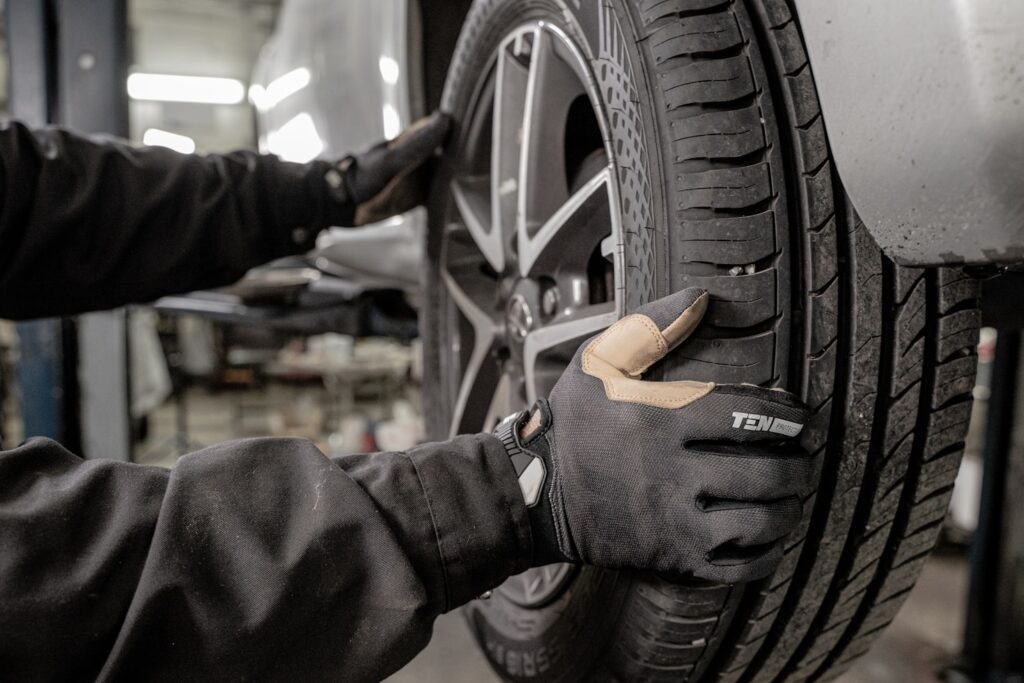
What Is Car Tyre Service?
Car tyre service refers to the routine maintenance performed on tyres to ensure they remain safe and effective on the road. It involves checking tyre condition, correcting wear patterns, and fixing minor issues before they become serious problems.
A standard tyre service typically includes:
- Tyre inspection
- Tyre pressure check
- Tyre rotation
- Wheel balancing
- Wheel alignment
- Tread depth measurement
- Puncture repair
- Valve inspection
These services work together to improve vehicle performance and safety.
Why Car Tyre Service Is Important
Regular tyre maintenance provides several safety and financial benefits.
Key advantages include:
- Improved road safety
- Better fuel efficiency
- Longer tyre lifespan
- Reduced risk of tyre blowouts
- Smoother driving experience
- Lower repair costs
Neglecting tyre maintenance can lead to uneven wear, poor handling, and increased accident risk.
Step-by-Step: How Car Tyre Service Is Done
Professional mechanics follow a structured process when performing a car tyre service. Each step ensures the tyres function properly and safely.
1. Tyre Inspection
The first step in any tyre service is a detailed visual inspection.
Technicians check for:
- Cracks
- Bulges
- Cuts
- Punctures
- Uneven wear
- Foreign objects in the tyre
Early detection of damage prevents sudden tyre failure.
2. Checking Tyre Pressure
Correct tyre pressure is essential for safe driving.
During a car tyre service, mechanics:
- Measure air pressure using a gauge
- Compare it with manufacturer recommendations
- Inflate or deflate tyres as needed
Proper tyre pressure improves:
- Fuel efficiency
- Tyre lifespan
- Vehicle handling
- Braking performance
Low pressure increases tyre wear and fuel consumption.
3. Measuring Tread Depth
Tread depth determines how well a tyre grips the road.
Technicians use a tread gauge to measure the depth of the tyre grooves.
Recommended minimum tread depth:
1.6 millimetres
If tread depth falls below this level, the tyre must be replaced immediately.
4. Tyre Rotation
Tyre rotation involves changing the position of tyres on the vehicle.
For example:
- Front tyres move to the rear
- Rear tyres move to the front
This process helps:
- Ensure even wear
- Extend tyre lifespan
- Improve vehicle balance
Most experts recommend rotating tyres every:
8,000 to 10,000 kilometres
5. Wheel Balancing
Wheel balancing ensures that the weight of the tyre and wheel is evenly distributed.
Signs you may need balancing include:
- Steering wheel vibration
- Uneven tyre wear
- Noisy driving
Balancing improves comfort and protects suspension components.
6. Wheel Alignment
Wheel alignment adjusts the angles of the tyres so they point correctly.
Poor alignment can cause:
- Uneven tyre wear
- Steering problems
- Reduced fuel efficiency
- Vehicle pulling to one side
Alignment is usually checked during a major car tyre service or after hitting potholes.
7. Puncture Repair
Small punctures can often be repaired instead of replacing the tyre.
The repair process includes:
- Removing the tyre
- Cleaning the damaged area
- Sealing the puncture
- Reinstalling the tyre
However, large or sidewall damage usually requires tyre replacement.
How Often Should You Schedule Car Tyre Service?
The frequency of tyre service depends on driving habits and road conditions.
General service recommendations:
- Tyre inspection: Once every month
- Tyre rotation: Every 8,000 to 10,000 kilometres
- Wheel alignment: Every 6 months
- Wheel balancing: Every 10,000 kilometres
- Full tyre service: Every 6 to 12 months
Regular maintenance reduces long-term repair costs.
Signs Your Car Needs Tyre Service
Recognizing early warning signs helps prevent accidents.
Common signs include:
- Uneven tyre wear
- Vehicle pulling to one side
- Steering wheel vibration
- Low tyre pressure
- Reduced fuel efficiency
- Loud road noise
- Difficulty steering
If you notice any of these symptoms, schedule a car tyre service immediately.
How Much Does Car Tyre Service Cost?
The cost of tyre maintenance varies depending on vehicle type and service provider.
Estimated service costs:
- Tyre rotation: ₦5,000 to ₦15,000
- Wheel balancing: ₦6,000 to ₦18,000
- Wheel alignment: ₦10,000 to ₦25,000
- Puncture repair: ₦2,000 to ₦8,000
- Full tyre service: ₦15,000 to ₦40,000
Regular servicing is more affordable than emergency repairs.
DIY vs Professional Car Tyre Service
Some tyre maintenance tasks can be done at home, while others require professional equipment.
Tasks You Can Do Yourself
- Check tyre pressure
- Inspect tyres for damage
- Remove small debris
- Monitor tread wear
Tasks Best Done by Professionals
- Wheel alignment
- Wheel balancing
- Tyre rotation
- Puncture repair
- Tyre replacement
Professional service ensures accuracy and safety.
Tips to Maintain Your Tyres Between Services
You can reduce maintenance costs and extend tyre life by following simple practices.
Helpful maintenance tips:
- Check tyre pressure monthly
- Avoid overloading your vehicle
- Drive smoothly
- Rotate tyres regularly
- Inspect tyres before long trips
- Avoid potholes when possible
Preventive care keeps tyres in good condition.
Common Mistakes Drivers Make About Tyre Maintenance
Avoiding these mistakes can significantly improve vehicle safety.
Common errors include:
- Ignoring tyre pressure warnings
- Delaying tyre replacement
- Skipping tyre rotation
- Driving with worn tyres
- Using mismatched tyres
- Neglecting alignment checks
Proper maintenance prevents these problems.
Where to Get Help
If you are unsure about your brake condition or need expert advice, getting professional help is simple and convenient. Instead of guessing or delaying repairs, you can connect directly with experienced mechanics who can assess your vehicle and provide reliable recommendations.
You can ask professional mechanics here:
https://askamechanic.asoroautomotive.com/
You can also access support here:
https://admin.asoroautomotive.com/
For drivers who prefer mobile access, you can download the Ask a Mechanic mobile app and get assistance anytime.
Apple App Store:
https://apps.apple.com/ng/app/ask-a-mechanic-app/id6758545607
Google Play Store:
https://play.google.com/store/apps/details?id=co.median.android.krrjkbd
You can also download the G-OBD AI Diagnostics App to scan your vehicle, detect faults, and receive smart diagnostic insights.
Download here:
https://play.google.com/store/apps/details?id=com.asoro.automotive
Getting help early can prevent costly repairs, improve vehicle safety, and keep your vehicle running smoothly.
Conclusion
Regular car tyre service is one of the most important aspects of vehicle maintenance. It improves safety, enhances performance, and reduces long-term costs. From tyre inspection to rotation and alignment, each step plays a vital role in keeping your vehicle running smoothly.
Scheduling routine tyre service ensures your tyres remain reliable, your vehicle stays safe, and your driving experience remains comfortable.
Leave a Reply