
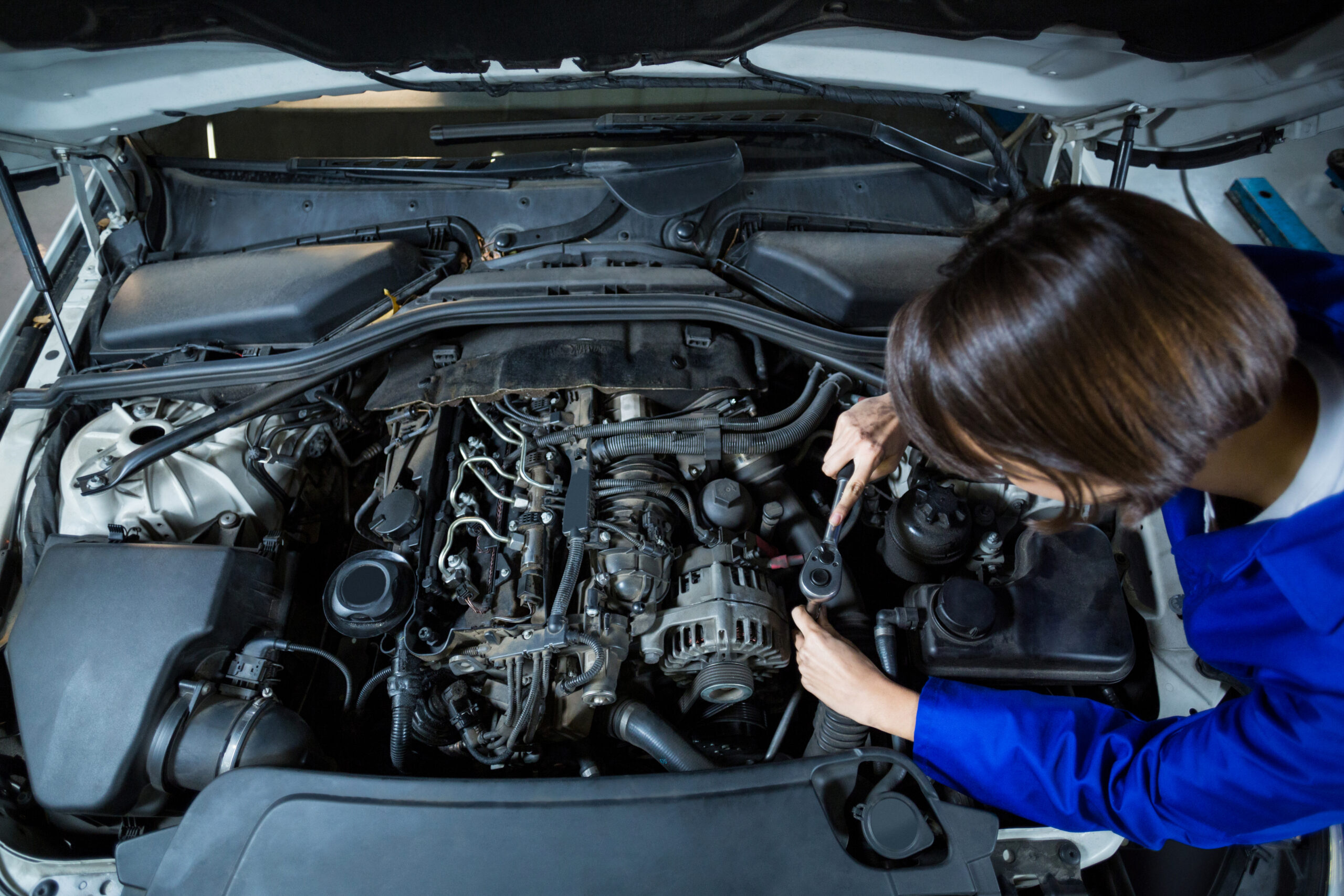
An overheating engine is one of the most serious problems a driver can face. If ignored, it can lead to blown head gaskets, warped engine parts, or complete engine failure. The good news is that most overheating issues start with small, fixable problems. If you’re trying to fix an overheating car, understanding the cause is the first step. Below are the 10 most common reasons cars overheating and what you can do about them.
Table of Contents
1. Low Coolant Level
Coolant (antifreeze) helps regulate engine temperature. If levels drop too low, heat can’t be carried away properly.
Signs:
- Temperature gauge rising
- Heater not blowing hot air
- Visible coolant warning light
How to fix an overheating car in this case:
Top up the coolant — but also check for leaks. Coolant doesn’t just disappear.
2. Coolant Leak
Leaks are a major reason drivers struggle to fix an overheating car permanently. Hoses, the radiator, water pump, or reservoir can develop cracks.
Signs:
- Puddles under the car (often green, orange, or pink)
- Sweet smell from engine bay
- Frequent need for coolant refill
Fix:
Repair or replace the leaking component before refilling coolant.
3. Faulty Thermostat
The thermostat controls coolant flow. If it gets stuck closed, coolant can’t circulate, causing rapid overheating.
Signs:
- Engine overheats quickly after starting
- Upper radiator hose stays cold
Fix:
Replacing a thermostat is usually affordable and can completely fix an overheating car.
4. Radiator Problems
The radiator releases heat from coolant. If it’s clogged, corroded, or damaged, heat stays trapped in the engine.
Signs:
- Overheating at highway speeds
- Rust or debris in coolant
- Coolant leaking from front of car
Fix:
Flush the radiator or replace it if damaged.
5. Cooling Fan Failure
The radiator fan pulls air through the radiator when the car is slow or stopped. Without it, temperatures rise fast in traffic.
Signs:
- Overheating while idling
- Temperature drops when driving fast
- Fan not spinning when engine is hot
Fix:
Check fan motor, fuse, relay, or temperature sensor.
6. Broken Water Pump
The water pump circulates coolant through the engine. If it fails, coolant flow stops — and overheating happens quickly.
Signs:
- Whining noise from engine
- Coolant leak near front of engine
- Rapid temperature rise
Fix:
Water pump replacement is essential to fix an overheating car caused by poor circulation.
7. Clogged Coolant Passages
Over time, rust and debris can block internal engine passages or radiator tubes.
Signs:
- Repeated overheating despite normal coolant level
- Dirty or rusty coolant
Fix:
A full cooling system flush may help. Severe cases require part replacement.
8. Blown Head Gasket
This is a serious issue that makes it harder to fix an overheating car without major repairs. A blown head gasket allows coolant and engine gases to mix.
Signs:
- White smoke from exhaust
- Milky oil
- Bubbles in radiator or coolant reservoir
- Frequent overheating
Fix:
Professional repair is required immediately.
9. Low Engine Oil
Oil reduces friction and carries away some heat. Low oil levels increase engine temperature.
Signs:
- Oil warning light
- Engine running louder than usual
- Rising temperature
Fix:
Check and top up engine oil. Fix any oil leaks.
10. Driving in Extreme Conditions
Heavy loads, steep hills, hot weather, or towing can push the cooling system beyond its limits.
Signs:
- Overheating during long uphill drives
- Temperature drops after cooling down
Fix:
Let the engine cool, check coolant levels, and make sure the cooling system is in good condition.
What to Do Immediately If Your Car Overheats
If you’re trying to fix an overheating car in an emergency:
- Turn off the AC and turn on the heater (it pulls heat from the engine)
- Pull over safely and turn off the engine
- Do NOT open the radiator cap while hot
- Wait for the engine to cool before checking coolant
Driving while overheated can cause severe engine damage in minutes.
When to Get Professional Help
Some overheating problems are simple, but others are serious. If your car overheats repeatedly, loses coolant often, or shows signs like smoke or strange engine noises, get expert help immediately.
Early diagnosis makes it much easier — and cheaper — to fix an overheating car before major damage happens.
If you have any questions, you can ask our mechanics on a live chat here or download our mobile app from Apple AppStore and Google Playstore. You can also download our G-OBD AI Diagnostics App on Playstore here.
Leave a Reply