Table of Contents
Why a Car Leaking Coolant Requires Immediate Attention
A car leaking coolant is one of the most common warning signs of cooling system problems. Your vehicle depends on coolant to regulate engine temperature and prevent overheating. When coolant escapes from the system, the engine can quickly become too hot, which may lead to severe mechanical damage.
Many drivers overlook small leaks because the vehicle still runs normally. However, coolant loss often worsens over time. Acting quickly when you notice early symptoms can prevent breakdowns, reduce repair costs, and keep your vehicle running reliably.
Understanding the signs of a car leaking coolant helps drivers protect their engines and avoid emergency repairs.
How the Cooling System Protects Your Engine
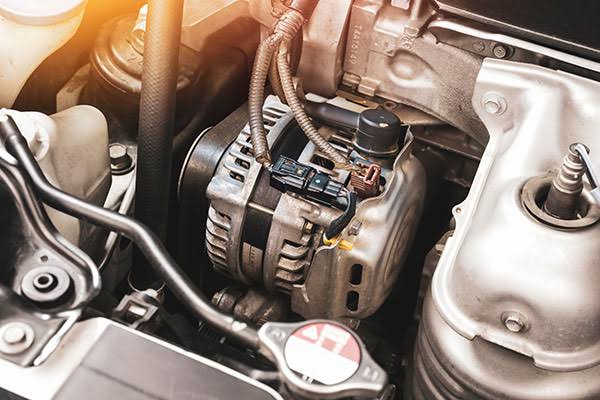
The cooling system removes excess heat from the engine and maintains a stable operating temperature. Without proper cooling, engine components can expand, warp, or fail completely.
Main Components of the Cooling System
- Radiator
- Water pump
- Thermostat
- Coolant reservoir
- Cooling fan
- Radiator hoses
- Head gasket
If any of these components fail, a car leaking coolant may occur.
Key Signs Your Car Is Leaking Coolant
Recognizing the symptoms early can prevent costly engine repairs.
1. Puddles of Colored Liquid Under the Car
Coolant typically appears green, orange, pink, or yellow. Finding these puddles under your vehicle is a strong indicator of a leak.
Why It Happens
- Cracked radiator
- Loose hose connection
- Damaged coolant reservoir
Why It Matters
Ignoring visible coolant leaks can lead to engine overheating and system failure.
2. Engine Overheating
One of the most dangerous signs of a car leaking coolant is rising engine temperature.
Warning Indicators
- Temperature gauge rising quickly
- Steam from the engine
- Dashboard warning light
Risk
Overheating can cause:
- Engine damage
- Warped cylinder head
- Engine failure
3. Sweet Smell From the Engine Area
Coolant has a distinct sweet odor. If you smell this while driving or after parking, a leak may be present.
Common Causes
- Leaking radiator
- Faulty heater core
- Loose hose
Risk
Continuous coolant leakage reduces cooling efficiency and increases overheating risk.
4. Low Coolant Level
Frequent coolant refills without visible spills often indicate a hidden leak.
Possible Sources
- Internal engine leak
- Damaged gasket
- Cracked hose
Risk
Low coolant levels reduce engine protection and increase wear.
5. Steam Coming From the Engine
Steam is a clear sign that the engine is overheating due to coolant loss.
Causes
- Severe coolant leak
- Failed radiator
- Broken water pump
Risk
Driving with steam coming from the engine can lead to permanent engine damage.
6. Poor Heater Performance
If the heater stops working properly, it may indicate insufficient coolant circulation.
Causes
- Low coolant level
- Air trapped in the system
- Blocked heater core
Risk
Reduced heating performance often signals cooling system issues.
Common Causes of a Car Leaking Coolant
Understanding the root causes helps prevent future problems.
Most Frequent Causes
- Worn radiator hoses
- Cracked radiator
- Faulty water pump
- Blown head gasket
- Loose hose connections
- Corroded cooling system components
- Damaged coolant reservoir
These problems often develop gradually due to heat, pressure, and aging components.
Dangers of Ignoring a Coolant Leak
Delaying repairs for a car leaking coolant can lead to serious consequences.
Potential Damage
- Engine overheating
- Engine seizure
- Reduced engine lifespan
- Expensive repairs
- Increased fuel consumption
- Vehicle breakdown
Small leaks can quickly turn into major mechanical failures.
How Much Does It Cost to Fix a Coolant Leak?
Repair costs depend on the location and severity of the leak.
Typical Repair Costs
- Hose replacement: ₦10,000 to ₦35,000
- Radiator repair: ₦45,000 to ₦160,000
- Water pump replacement: ₦65,000 to ₦220,000
- Thermostat replacement: ₦15,000 to ₦50,000
- Head gasket repair: ₦200,000 to ₦650,000
Regular maintenance reduces repair expenses significantly.
How to Prevent Coolant Leaks
Preventive maintenance is the most effective way to avoid problems related to a car leaking coolant.
Prevention Tips
- Check coolant levels regularly
- Inspect hoses and connections
- Replace worn components promptly
- Maintain proper engine temperature
- Flush the cooling system periodically
- Use manufacturer-recommended coolant
- Schedule routine vehicle servicing
These steps help maintain cooling system efficiency.
What to Do Immediately If Your Car Is Leaking Coolant
Taking the right action quickly can prevent engine damage.
Emergency Steps
- Pull over safely
- Turn off the engine
- Allow the engine to cool
- Check coolant level
- Contact a professional mechanic
Avoid driving with an overheating engine.
When Should You Seek Professional Help?
Professional inspection is necessary if:
- Coolant leaks continue
- Engine temperature rises frequently
- Warning lights appear
- Steam comes from the engine
- Coolant level drops rapidly
- The heater stops working
Prompt diagnosis prevents costly repairs.
Where to Get Help
If you’re unsure about your car condition or need expert advice, you can easily reach out for help. Early professional guidance can prevent small coolant leaks from becoming serious engine problems.
You can ask professional mechanics here:
https://askamechanic.asoroautomotive.com/
You can also access support here:
https://admin.asoroautomotive.com/
Or download the mobile app:
Apple App Store:
https://apps.apple.com/ng/app/ask-a-mechanic-app/id6758545607
Google Play Store:
https://play.google.com/store/apps/details?id=co.median.android.krrjkbd
You can also download the G-OBD AI Diagnostics App here:
https://play.google.com/store/apps/details?id=com.asoro.automotive
Getting expert help early can protect your engine, improve vehicle safety, and reduce unexpected repair costs.
Conclusion
A car leaking coolant is a warning sign that should never be ignored. Even small leaks can lead to overheating, engine damage, and expensive repairs if left unresolved.
Routine inspections, preventive maintenance, and quick repairs are the best ways to protect your engine, improve vehicle reliability, and avoid unexpected breakdowns.
Leave a Reply