
To change thermostat you must know this: the thermostat is a small but essential component in your vehicle’s cooling system. It regulates the flow of coolant between the engine and the radiator, ensuring the engine maintains the right operating temperature. When it fails, your car can quickly develop overheating issues or run inefficiently. Recognizing the signs of a bad thermostat is crucial, especially if you’re considering whether to change thermostat car parts to keep your vehicle running smoothly.
Table of Contents
Why the Thermostat Matters
The thermostat acts like a gatekeeper for your cooling system. When the engine is cold, it stays closed to help the engine warm up quickly. Once the engine reaches the optimal temperature, it opens to allow coolant to circulate and prevent overheating.
Without a properly functioning thermostat, your car’s performance, fuel efficiency, and safety are at risk. A faulty thermostat can cause:
- Overheating that damages engine components
- Poor fuel economy from running too cool
- Reduced heater performance in cold weather
- Increased emissions from inefficient combustion
Signs of a Bad Thermostat
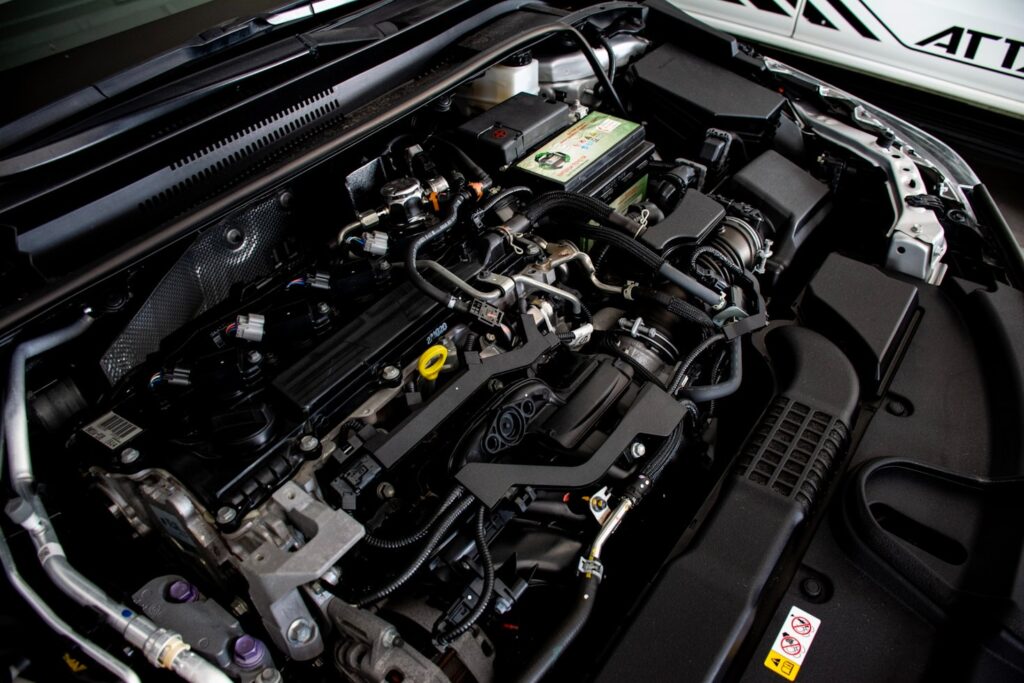
Here are the most common symptoms that indicate it may be time to change thermostat car components:
1. Engine Overheating
If the thermostat gets stuck closed, coolant cannot circulate, and the engine temperature rises dangerously.
2. Temperature Fluctuations
A failing thermostat may open and close unpredictably, causing the temperature gauge to swing between hot and cold.
3. Cool Engine That Never Warms Up
If the thermostat is stuck open, the engine may take too long to reach operating temperature, leading to poor fuel efficiency.
4. Heater Not Working Properly
A bad thermostat can prevent the heater from blowing warm air, especially in colder weather.
5. Coolant Leaks or Strange Noises
Overheating caused by a faulty thermostat can lead to coolant leaks, boiling sounds, or steam from under the hood.
Why You Should Change Thermostat
Ignoring thermostat issues can cause severe damage to your engine. Overheating can warp cylinder heads, damage gaskets, and even crack the engine block. On the other hand, an engine that runs too cool wastes fuel and increases emissions.
Timely thermostat replacement ensures your cooling system works properly, protecting your engine and saving you money on costly repairs.
Can You Replace It Yourself?
Yes, in many cases, replacing a thermostat is a manageable DIY task if you have basic mechanical skills. The process usually involves:
- Draining some coolant from the system.
- Locating the thermostat housing.
- Removing the old thermostat and gasket.
- Installing the new thermostat with a fresh gasket.
- Refilling coolant and bleeding air from the system.
However, some vehicles have thermostats in hard-to-reach areas, making the job more complex. If you’re unsure, professional help is the safest choice.
Benefits of Timely Thermostat Replacement
- Cost Savings: Prevents expensive engine damage.
- Efficiency: Keeps your engine running at the right temperature for optimal fuel economy.
- Comfort: Ensures your heater works properly in cold weather.
- Longevity: Protects critical components like the radiator, water pump, and gaskets.
When to Seek Professional Help
If you notice overheating, fluctuating temperatures, poor heater performance, or coolant leaks, it’s time to consult a mechanic. Incorrect installation can lead to further issues, so professional replacement ensures accuracy and reliability.
Final Thoughts
So, how do you know if the thermostat in your car is bad? Watch for overheating, fluctuating temperatures, poor heater performance, or coolant leaks. If you notice these symptoms, it’s time to change thermostat car parts to restore proper cooling system function.
Replacing a faulty thermostat is a relatively inexpensive repair that can prevent major engine damage and keep your car running efficiently. Staying proactive with maintenance ensures your vehicle remains safe, reliable, and ready for the road
If you have any questions, you can ask our mechanics on a live chat here or download our mobile app from Apple AppStore and Google Playstore. You can also download our G-OBD AI Diagnostics App on Playstore here.
Leave a Reply