
An engine coil replacement may seem like a straightforward repair, but doing it incorrectly can lead to repeated failures, poor engine performance, and unnecessary expenses.
Many car owners replace ignition coils without proper diagnosis, only to find the problem persists. Understanding the common mistakes associated with engine coil replacement can save you time, money, and frustration.
In this guide, you’ll discover the most costly mistakes to avoid and how to ensure your engine runs smoothly after replacing ignition coils.
Table of Contents
Why Engine Coil Replacement Matters
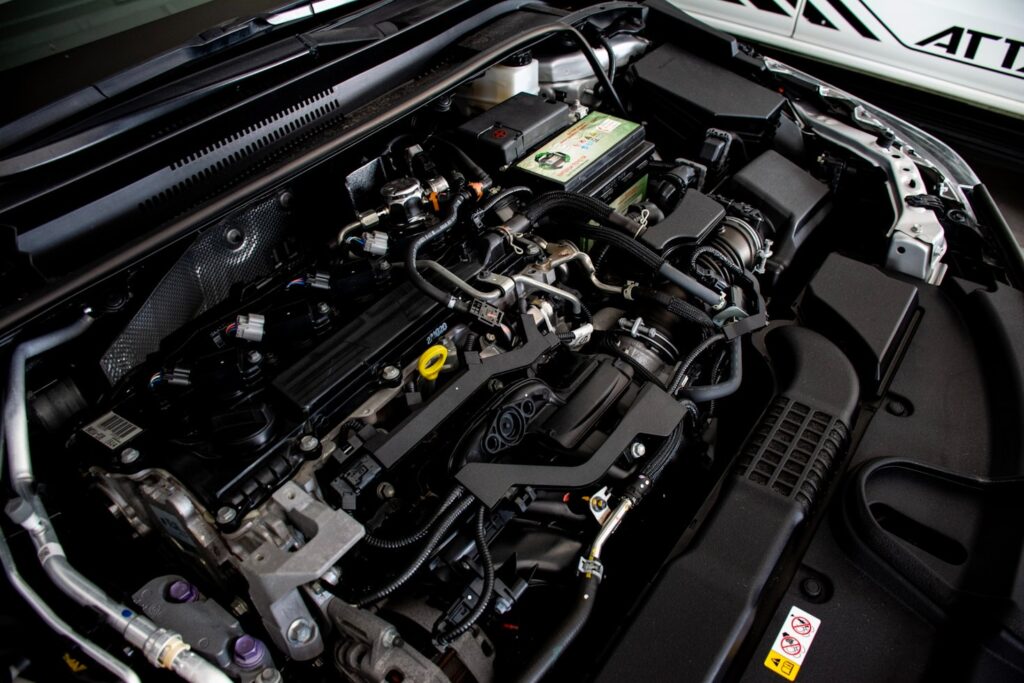
Ignition coils play a critical role in your engine by converting low battery voltage into the high voltage needed to ignite the air-fuel mixture.
When a coil fails:
- A cylinder misfires
- Engine performance drops
- Fuel efficiency decreases
Proper engine coil replacement restores engine balance and prevents further damage.
Related reading: Ignition Coils: When to Replace Them
Costly Mistakes in Engine Coil Replacement
1. Replacing the Wrong Coil
One of the most common mistakes in engine coil replacement is replacing the wrong component.
Misfire codes (such as P0301, P0302) identify the specific cylinder with the issue. Ignoring these codes can lead to:
- Unnecessary replacements
- Wasted money
- Unresolved engine problems
Always diagnose properly before replacing any coil.
2. Ignoring Worn Spark Plugs
Replacing coils without checking spark plugs is a major mistake.
Worn or fouled spark plugs:
- Force coils to work harder
- Cause repeated coil failure
A proper engine coil replacement should often include new spark plugs, especially on high-mileage vehicles.
3. Replacing Only One Coil on an Aging Engine
While replacing a single faulty coil is acceptable in newer vehicles, it may not be the best approach for older engines.
On high-mileage cars:
- Other coils are likely near failure
- You may face repeated breakdowns
In such cases, a complete engine coil replacement can be more cost-effective long term.
4. Ignoring Oil Leaks in Spark Plug Wells
Oil contamination is a hidden cause of ignition coil failure.
If oil leaks into the spark plug wells:
- It damages coil boots
- It interferes with spark delivery
Before performing an engine coil replacement, inspect for oil leaks.
Related reading: Engine Oil Leaks: How Serious Is It Really?
5. Using Low-Quality Replacement Parts
Choosing cheap aftermarket coils may reduce upfront cost, but it often leads to:
- Shorter lifespan
- Poor performance
- Repeated replacements
High-quality parts may increase the initial engine coil replacement cost but provide better reliability.
6. Skipping Proper Installation
Incorrect installation can cause immediate or long-term problems.
Common mistakes include:
- Loose connections
- Improper seating of the coil
- Damaged wiring connectors
A proper engine coil replacement requires careful installation to ensure consistent electrical contact.
7. Ignoring Other Causes of Misfires
Not all misfires are caused by ignition coils.
Other possible causes include:
- Fuel delivery issues
- Vacuum leaks
- Faulty sensors
Replacing coils without confirming the root cause can result in:
- Persistent engine issues
- Unnecessary expenses
Related reading: Engine Misfires: Diagnosing the Problem Correctly
8. Failing to Clear Diagnostic Codes
After completing an engine coil replacement, failing to clear error codes can:
- Keep the check engine light on
- Make it difficult to confirm if the problem is resolved
Always reset the system and monitor performance after replacement.
9. Overlooking Electrical Issues
Sometimes the issue is not the coil itself but:
- Wiring faults
- Poor grounding
- Damaged connectors
Replacing coils without checking the electrical system can lead to repeated failures.
10. Delaying Replacement After Failure
Driving with a faulty ignition coil is a costly mistake.
A misfiring engine can:
- Send unburnt fuel into the exhaust
- Damage the catalytic converter
Delaying engine coil replacement increases repair costs significantly.
Signs You Need Engine Coil Replacement
Recognizing early symptoms helps prevent bigger problems.
Common signs include:
- Rough idle
- Engine shaking
- Loss of power during acceleration
- Check engine light
- Poor fuel economy
These symptoms often indicate it’s time for an engine coil replacement.
When to Seek Professional Help
If you’re unsure about diagnosis or installation, professional help is recommended.
You can:
- Ask A Mechanic — Get answers from qualified mechanics directly
- You can also access the full Asoro Automotive platform for vehicle records, service tracking, and support:
- Asoro Automotive Platform
- Or download the mobile app to connect with mechanics and track your vehicle maintenance history on the go:
- Download on Apple App Store
- Download on Google Play Store
- For deeper diagnostic insights — understanding what your scanner results actually mean beyond just the fault code — the G-OBD AI Diagnostics App was built specifically for this:
- Download G-OBD AI Diagnostics App
These tools help ensure your engine coil replacement is done correctly.
Final Thoughts
An engine coil replacement is not just about swapping parts. It requires proper diagnosis, correct installation, and attention to related components.
Avoiding these costly mistakes will help you:
- Maintain engine performance
- Prevent repeat failures
- Save money over time
If your engine shows signs of misfire or poor performance, act early and handle the replacement the right way.
Leave a Reply