
Keeping your tires properly inflated is essential, but many drivers wonder about the difference between a car tire inflator and a car tire pump when choosing the right tool. Both serve the same purpose—getting air into your tires—but they differ in design, convenience, and accuracy. Understanding how each works and their unique benefits can help you make the best decision for your needs.
Table of Contents
Why Tire Inflation Matters
Tires are the only part of your car that make direct contact with the road. Their condition directly affects safety, performance, and efficiency. Underinflated tires can cause poor fuel economy, sluggish handling, and uneven wear. Overinflated tires may reduce traction and wear out faster in the center.
Maintaining the correct tire pressure ensures:
- Safer handling and braking
- Better fuel efficiency
- Longer tire lifespan
- Reduced risk of blowouts and roadside emergencies
Having the right tool—whether a pump or inflator—makes it easier to keep your tires in top condition.
What Is a Car Tire Pump?
A car tire pump is a manual or electric device designed to move air into your tires. Traditional pumps often require physical effort, such as foot or hand pumping, while modern versions may use electricity to make the process easier.
Key Characteristics of Car Tire Pumps
- Provide a steady flow of air.
- Can be used for car tires, bicycles, sports equipment, and other inflatables.
- May not always offer precise pressure control unless paired with a separate gauge.
Pumps are versatile and simple, but they can be slower and less accurate compared to inflators. They are often seen as a backup tool or a budget‑friendly option for drivers who don’t mind a bit of manual effort.
What Is a Car Tire Inflator?
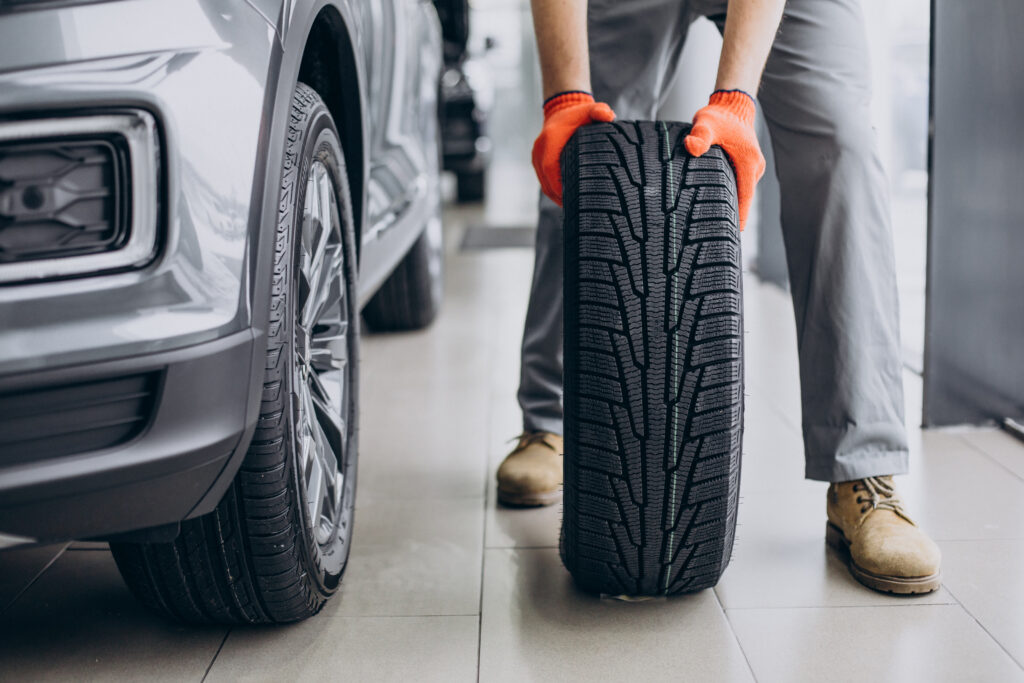
A car tire inflator is a more advanced tool specifically designed for car tires. Unlike a basic pump, inflators are usually powered by electricity—either plugging into your car’s 12V outlet or using rechargeable batteries.
Features of Inflators
- Built‑in pressure gauges (often digital).
- Automatic shut‑off when the desired PSI is reached.
- Compact design for easy storage in your trunk.
In essence, a tire inflator is a small air compressor tailored for quick and efficient tire inflation. It eliminates guesswork, saves time, and provides accuracy that manual pumps often lack.
The Main Differences Between Inflators and Pumps
| Feature | Car Tire Pump | Car Tire Inflator |
|---|---|---|
| Power Source | Manual effort or electricity | Electric (12V outlet or battery) |
| Ease of Use | May require physical effort | Effortless, powered operation |
| Accuracy | Requires separate gauge | Built‑in gauge, often digital |
| Speed | Slower, especially for car tires | Faster, designed for larger tires |
| Portability | Lightweight and simple | Compact but slightly heavier |
| Versatility | Works on tires, bikes, sports gear | Primarily for car tires |
Which Is Best for Car Tires?
- Tire Inflator – Best for drivers who want a quick, reliable, and accurate way to inflate tires. Perfect for emergencies and regular maintenance.
- Tire Pump – Useful as a backup tool, especially in situations where electricity isn’t available. Also handy for inflating other items like sports balls or bicycle tires.
Many drivers keep both—a manual pump for emergencies and an inflator for everyday convenience.
Pros and Cons of Each
Car Tire Pump
Pros:
- Affordable and widely available
- Lightweight and easy to carry
- Can be used for multiple inflatables
Cons:
- Requires manual effort (unless electric)
- Slower for car tires
- Less precise without a separate gauge
Car Tire Inflator
Pros:
- Fast and efficient
- Accurate with built‑in gauges
- Automatic shut‑off prevents overinflation
- Compact and easy to store in the trunk
Cons:
- More expensive than manual pumps
- Requires electricity or charged batteries
- Primarily designed for car tires, less versatile for other inflatables
Practical Scenarios
- Daily Commuter: A tire inflator is ideal. It saves time, ensures accuracy, and provides peace of mind during busy schedules.
- Cyclist or Sports Enthusiast: A manual pump may be more versatile, as it can inflate bike tires and sports balls in addition to car tires.
- Road Trip Traveler: Carrying both is smart. The inflator handles routine checks, while the pump serves as a backup if electricity isn’t available.
- Workshop or Garage Owner: An inflator may not be enough. A full air compressor offers more power and versatility for multiple tasks.
Cost Comparison
- Car Tire Pumps: Typically range from $15 to $50, depending on whether they are manual or electric.
- Car Tire Inflators: Range from $30 to $100, with advanced models offering digital displays and preset functions.
While inflators cost more, they provide greater convenience and accuracy, which many drivers find worth the investment.
Tips for Choosing the Right Tool
- Check your driving habits. If you travel long distances or rely heavily on your car, an inflator is the better choice.
- Consider versatility. If you need a tool for multiple inflatables, a pump may be more practical.
- Think about emergencies. Inflators are faster and more reliable when you’re stranded with a flat tire.
- Balance cost and convenience. Pumps are cheaper, but inflators save time and effort.
Final Thoughts
So, what’s the difference between inflators and pumps for car tires? A pump is a simple, versatile tool that requires manual effort, while an inflator is a powered device designed for speed, accuracy, and convenience. Both have their place in vehicle maintenance, but for modern drivers who value efficiency, a tire inflator is often the preferred option.
By understanding the strengths and limitations of each, you can choose the right tool for your lifestyle. Whether you opt for the simplicity of a pump or the precision of an inflator, keeping your tires properly inflated will always be one of the most important steps in maintaining your vehicle’s safety and performance.
If you have any questions, you can ask our mechanics on a live chat here or download our mobile app from Apple AppStore and Google Playstore. You can also download our G-OBD AI Diagnostics App on Playstore here.
Leave a Reply