
Feeling your car shake when you press the brake pedal can be alarming. Many drivers wonder: Is It Safe to Drive While Your Car Shakes When Braking? While some shaking may seem minor, consistent vibrations can indicate serious issues that affect vehicle safety, performance, and even the emission system. Understanding the causes and risks is essential to make informed decisions about driving.
Table of Contents
What Causes a Car to Shake When Braking?
When a vehicle shakes during braking, it usually points to problems with the braking system, tires, suspension, or related engine components. Common causes include:
1. Warped Brake Rotors
Brake rotors can warp due to heat, wear, or sudden hard braking. Warped rotors prevent brake pads from making smooth contact, causing vibrations felt through the brake pedal and steering wheel. If ignored, this can worsen over time and lead to uneven braking performance.
2. Worn Brake Pads
Uneven or worn brake pads reduce friction efficiency, creating shaking when brakes are applied. This can also accelerate rotor wear and compromise braking safety.
3. Tire Issues
Unbalanced tires, uneven wear, or alignment problems can contribute to shaking when braking. Even if brakes are functioning correctly, tires can transmit vibrations through the steering and braking systems.
4. Suspension or Steering Problems
Loose or damaged suspension components, including tie rods, ball joints, or control arms, can amplify braking vibrations. If your suspension is compromised, the shaking may be more pronounced at low speeds or during sudden stops.
5. Engine or Emission System Problem
While less common, certain engine issues can cause vibration when braking. For example, a malfunction in the emission system problem, such as a clogged EGR valve or failing catalytic converter, can create uneven engine load and slight shaking that coincides with braking. This underscores the importance of inspecting related engine components when diagnosing brake shaking.
Is It Safe to Drive While Your Car Shakes When Braking?
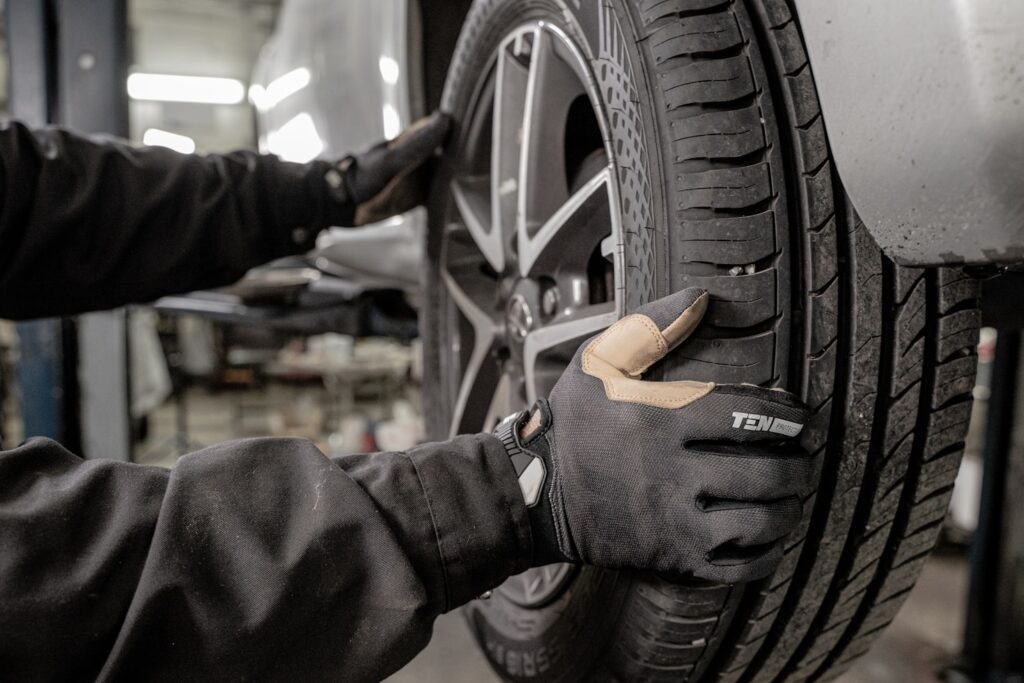
Driving a car that shakes when braking is not considered safe. Even minor shaking can worsen over time and may indicate problems that compromise stopping power. Potential risks include:
● Reduced braking efficiency
● Longer stopping distances
● Damage to brake rotors, pads, and tires
● Acceleration of suspension wear
● Possible engine or emission system damage
Ignoring these symptoms increases the likelihood of accidents and costly repairs.
Signs You Should Immediately Stop Driving
If your car exhibits these symptoms along with shaking when braking, stop driving and seek professional inspection:
● Severe or worsening vibrations
● Squealing, grinding, or unusual noises from brakes
● Brake pedal pulsation
● Dashboard warning lights, including check engine or emission alerts
● Smoke or burning smell from brakes or engine
A professional mechanic can pinpoint whether the cause is strictly braking-related or involves a secondary issue like an emission system problem.
How to Fix a Car That Shakes When Braking
The fix depends on the root cause of the shaking:
● Warped Rotors: Resurfacing or replacing rotors restores smooth braking.
● Worn Brake Pads: Replacing pads ensures even contact with rotors.
● Tire Issues: Balancing, rotation, or replacement eliminates vibration.
● Suspension Repairs: Tightening or replacing worn components stabilizes braking.
● Emission System Repair: If engine load or catalytic converter issues contribute, fixing the emission system problem can reduce vibrations.
Proper diagnosis is critical to address the correct issue and prevent recurring problems.
Preventing Brake Shaking
● Maintain regular brake inspections and replace worn components promptly
● Rotate and balance tires according to manufacturer guidelines
● Inspect suspension and steering components periodically
● Address engine or emission system warnings immediately
Consistent preventive maintenance helps avoid situations where a car shakes when braking and ensures safe, reliable driving.
Conclusion
If your car shakes when you brake, it’s not safe to continue driving without inspection. Causes range from warped rotors, worn brake pads, tire imbalance, and suspension issues to potential emission system problems that affect engine stability.
Early diagnosis and repair protect your braking performance, reduce safety risks, and prevent further damage to your vehicle. If you notice shaking while braking, schedule a professional mechanic inspection immediately to identify the cause and fix the problem.
If you have any questions, you can ask our mechanics on a live chat here or download our mobile app from Apple AppStore and Google Playstore. You can also download our G-OBD AI Diagnostics App on Playstore here.
Leave a Reply