
If your car brake pads are worn out, noisy, or not performing properly, fixing them quickly is critical for your safety. Your braking system is one of the most important components of your vehicle, and ignoring brake issues can lead to expensive damage or even accidents.
In this complete guide, you’ll learn how to fix car brake pads, how to identify problems early, and how to ensure long-lasting performance after repair.
Table of Contents
What Are Car Brake Pads and Why Do They Matter?
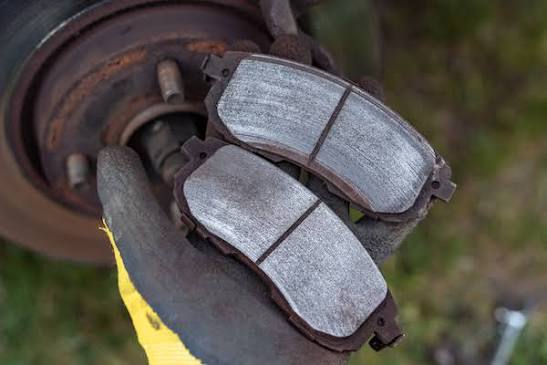
Car brake pads are components that press against the brake rotor to create friction, which slows down and stops your vehicle.
Over time, this friction causes wear. As explained in our detailed brake maintenance guide, this wear is normal and unavoidable due to constant use.
If not fixed or replaced on time, worn brake pads can:
- Reduce braking efficiency
- Damage the brake rotors
- Cause noise and vibration
- Increase stopping distance
Signs Your Car Brake Pads Need Fixing
Before attempting to fix brake pads, confirm that they are actually the problem. Common warning signs include:
- Squealing or screeching noise
- Grinding sound (severe wear)
- Brake pad thickness below 3mm
- Vibrating steering wheel when braking
- Car pulling to one side
- Soft or spongy brake pedal
If you notice these issues, it’s time to inspect or fix your car brake pads.
For expert advice or diagnosis, you can visit:
https://askamechanic.asoroautomotive.com/
Tools You Need to Fix Car Brake Pads
Before starting, gather the following tools:
- Jack and jack stands
- Lug wrench
- Socket set or spanner
- Brake cleaner
- Brake grease (copper grease)
- Flathead screwdriver or piston tool
- Safety gloves
Having the right tools ensures a smooth and safe repair process.
Step-by-Step Guide to Fix Car Brake Pads
Step 1: Park and Secure the Vehicle
- Park on a flat surface
- Engage the handbrake
- Use wheel chocks if available
Safety is critical when working on brake pads.
Step 2: Lift the Vehicle and Remove the Wheel
- Loosen wheel nuts before lifting
- Use a jack to raise the vehicle
- Place jack stands underneath
- Remove the wheel
Step 3: Remove the Brake Caliper
Locate the brake caliper and:
- Remove the bolts at the back
- Slide the caliper off carefully
- Do not let it hang by the brake hose
Step 4: Inspect the Car Brake Pads
Check:
- Thickness (replace if below 3mm)
- Uneven wear
- Damage or contamination
If the pads are worn, replacement is the proper fix.
Step 5: Push Back the Caliper Piston
Before installing new brake pads:
- Use a piston tool or screwdriver
- Push the piston back slowly
- Check brake fluid level to avoid overflow
Step 6: Remove Old Pads and Clean Components
- Take out the old brake pads
- Clean the caliper bracket using brake cleaner
- Remove dust and debris
Step 7: Install New Car Brake Pads
- Apply brake grease to the back of the pads (not the surface)
- Insert the new pads correctly
- Ensure proper alignment
Step 8: Reinstall the Caliper
- Place the caliper over the new pads
- Tighten bolts securely
Always fix brake pads in pairs (both sides of the same axle) to avoid uneven braking.
Step 9: Reattach Wheel and Lower Vehicle
- Reinstall the wheel
- Tighten nuts in a star pattern
- Lower the vehicle
- Final tightening
Step 10: Pump the Brake Pedal
Before driving:
- Pump the brake pedal 4–6 times
- Ensure it becomes firm
This step restores pressure in the braking system.
What If the Brake Pedal Feels Soft?
If your brake pedal feels spongy after fixing car brake pads, there may be air in the brake lines.
In this case, you need to bleed the brake system to restore proper pressure.
You can get professional assistance here:
https://admin.asoroautomotive.com/
For a technical explanation of brake systems, refer to:
https://www.howacarworks.com/brakes/how-the-braking-system-works
Important: Perform Brake Bedding After Fixing Car Brake Pads
After installing new brake pads, you must bed them properly using the 30-30-30 rule:
- 30 stops
- From 30 mph (50 km/h)
- With 30 seconds between each stop
This process improves performance and extends the lifespan of your car brake pads.
Common Mistakes to Avoid
When fixing brake pads, avoid these errors:
- Not replacing pads in pairs
- Applying grease to the friction surface
- Skipping brake pedal pumping
- Ignoring unusual noises after repair
- Skipping the bedding process
Need Help? Talk to a Mechanic Instantly
If you’re unsure about your brake condition, you can get expert help instantly.
Ask our mechanics here:
https://askamechanic.asoroautomotive.com/
Access admin chat:
https://admin.asoroautomotive.com/
Download our mobile app:
Download G-OBD AI Diagnostics App:
Play Store Link
Final Thoughts
Fixing car brake pads is a straightforward process if done correctly and safely. Regular inspection, proper installation, and correct bedding ensure your braking system performs efficiently.
Ignoring brake issues can lead to serious safety risks and higher repair costs. If you are unsure at any point, it is always best to consult a professional mechanic.
Leave a Reply