
The braking system (including brake pads on car) is one of the most important safety features in any vehicle and understanding how it works can help prevent unexpected failures. A commonly referenced concept in brake maintenance is the 30 30 30 rule for brakes. This rule is often discussed in relation to brake wear and inspection, particularly when evaluating the condition of brake pads on car systems.
Knowing what the 30 30 30 rule means can help drivers stay alert to brake pad wear and maintain reliable stopping performance.
Table of Contents
Meaning of the 30 30 30 Rule for Brakes
The 30 30 30 rule for brakes is an informal automotive guideline used to assess brake health. It links mileage, brake pad thickness, and driver awareness to highlight when attention is required. While it is not a manufacturer-issued standard, it is widely referenced in automotive maintenance discussions.
This rule draws attention to the gradual wear of brake pads on car braking systems and emphasizes the importance of monitoring them before performance declines.
How the Rule Relates to Brake Pads on Car Systems
Brake pads on car systems are designed to wear down over time as they create friction against the brake rotors. Because this wear happens gradually, it often goes unnoticed until braking efficiency is reduced.
The 30 30 30 rule helps bring focus to:
● Brake pad wear over accumulated mileage
● Reduced braking effectiveness as pad material thins
● The need for timely inspection before damage spreads to other components
By paying attention to brake pads on car assemblies early, drivers can avoid more serious brake system problems.
Brake Pad Wear and Vehicle Safety
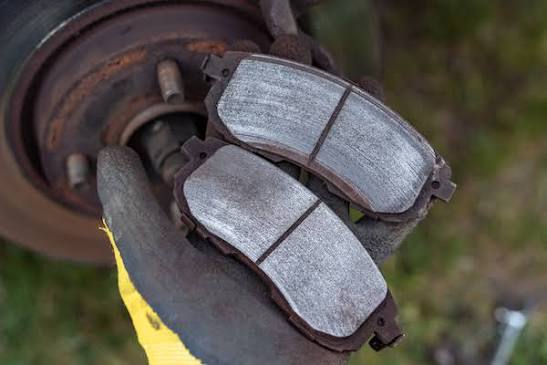
As brake pads on car systems wear down, stopping distance increases and heat buildup within the braking system becomes more intense. This additional stress can lead to rotor damage and uneven braking performance.
The 30 30 30 rule exists to encourage awareness of these changes before they compromise safety. Vehicles with worn brake pads are more likely to experience braking noise, vibration, and inconsistent stopping power.
Warning Signs Linked to Brake Pads on Car Systems
Brake pads on car systems often give subtle warnings as they wear. These indicators are a key reason the 30 30 30 rule is frequently mentioned in brake maintenance conversations.
Common warning signs include:
● Squealing or grinding noises
● Reduced braking response
● Vibrations during braking
● Brake warning indicators on the dashboard
These signs typically point to worn brake pads and should not be ignored.
Why Early Attention to Brake Pads Matters
Ignoring worn brake pads on car systems can lead to:
● Damage to brake rotors
● Increased repair costs
● Reduced braking reliability
● Higher safety risks while driving
Addressing brake pad wear early helps preserve the entire braking system and maintain consistent vehicle performance.
Final Thoughts on the 30 30 30 Rule for Brakes
So, what is the 30 30 30 rule for brakes? It is a practical way of understanding brake wear and recognizing when attention is needed—especially when it comes to the condition of brake pads on car systems.
By staying aware of brake pad wear and responding promptly to warning signs, drivers can maintain safer braking performance, reduce long-term repair costs, and protect the integrity of their vehicle’s braking system.
If you have any questions, you can ask our mechanics on a live chat here or download our mobile app from Apple AppStore and Google Playstore. You can also download our G-OBD AI Diagnostics App on Playstore here.
Leave a Reply