
-
One of the most common questions drivers ask when dealing with engine performance issues is whether they can perform oxygen sensor cleaning instead of replacing the sensor. The oxygen sensor is a critical component in your car’s exhaust system, responsible for monitoring the air‑fuel mixture and ensuring efficient combustion. When it gets dirty or clogged,…
-
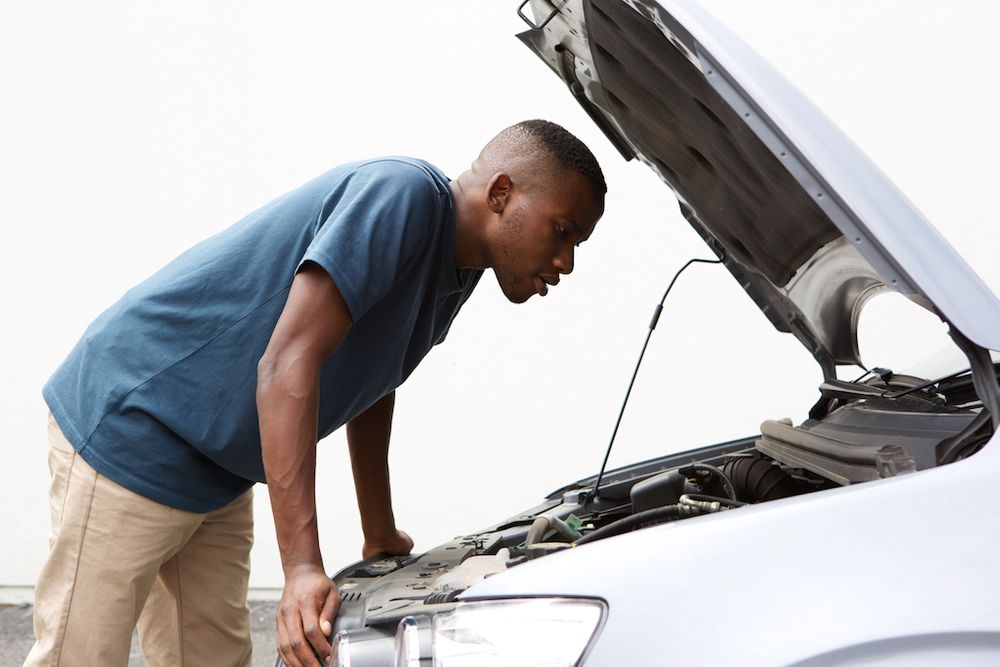
For many car owners, the question arises sooner or later: can you replace an alternator yourself? The alternator automotive system is one of the most critical components in your vehicle, responsible for keeping the battery charged and powering essential electrical systems. While professional mechanics often handle alternator replacement, some drivers wonder if it’s a task…
-
Your vehicle’s brake system is one of the most critical components for safe driving. Yet many drivers overlook early warning signs of brake trouble until it’s too late. If you’ve ever wondered how I know if my brake system is bad? The answer lies in recognizing the symptoms and acting quickly. Timely attention to brake…
-
A coolant leak is one of those car problems you should never ignore. Even a small leak can lead to engine overheating, costly repairs, or complete engine failure. One of the first questions most car owners ask is: how much does it cost to fix a coolant leak? In this guide, we’ll break down the…
-
There’s nothing more frustrating than turning the key or pressing the start button and realizing your car won’t start. This common problem can happen unexpectedly, leaving you stranded or late for work. Understanding the reasons behind a car that won’t start can help you troubleshoot the issue and decide whether you can fix it yourself…
-
Experiencing car overheating can be alarming. A rising temperature gauge or steam from under the hood indicates a serious problem that can damage your engine if left unchecked. Overheating doesn’t just affect your car’s performance—it can lead to costly repairs and leave you stranded. Understanding the common causes of car overheating helps you identify issues…
-
Experiencing your car shaking at idle can be worrying, especially when the vibrations stop once you start driving. While it may seem minor, this issue often points to underlying engine, transmission, or drivetrain problems that should not be ignored. Understanding the causes and solutions can save you from costly repairs and keep your car running…
-
The air idle control valve (IAC valve) is a small but crucial component in your car’s engine management system. It regulates the amount of air entering the engine at idle, ensuring smooth operation when the vehicle is stationary or during low-speed maneuvers. When the air idle control valve goes bad, it can cause several noticeable…
-
Car won’t start! Few situations are more frustrating than turning your key or pressing the start button and realizing your car won’t start. While there are many reasons why a vehicle may fail to start, knowing the first things to check can save time, stress, and even money on repairs. In this guide, we’ll break…
-
One of the most common questions drivers ask when facing engine issues is about the oxygen sensor replacement cost. The oxygen sensor is a small but vital component in your car’s exhaust system. It monitors oxygen levels in the exhaust gases and sends data to the engine control unit (ECU). This information helps regulate the…