
Table of Contents
Expert Alternator Automotive Insight: Can You Replace It Yourself?
Understanding alternator automotive repair is important for every vehicle owner. The alternator is one of the most critical components in your car’s electrical system, responsible for charging the battery and powering electrical features while the engine runs.
When an alternator fails, your vehicle may lose power, stall unexpectedly, or refuse to start. This situation often raises a common question among drivers: Can you replace an alternator yourself, or should you call a professional?
The answer depends on your mechanical experience, available tools, and the complexity of your vehicle. In this expert guide, we explain when DIY replacement is possible, the risks involved, and how to make the safest decision.
What Is an Alternator in Automotive Systems?
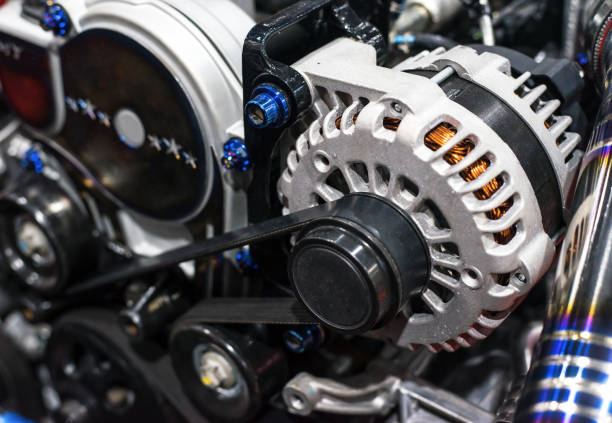
In alternator automotive systems, the alternator converts mechanical energy from the engine into electrical energy. This energy powers the vehicle’s electronics and keeps the battery charged.
The alternator supplies electricity to:
- Headlights
- Dashboard instruments
- Battery charging system
- Air conditioning system
- Engine control unit
- Power windows and locks
- Audio and navigation systems
Without a functioning alternator, the battery will quickly drain, and the vehicle will stop running.
Signs Your Alternator Autumotive Needs Replacement
Before attempting a repair, it is important to recognize the warning signs of alternator failure.
Common symptoms include:
- Dim or flickering headlights
- Battery warning light on the dashboard
- Difficulty starting the engine
- Frequent battery drain
- Strange whining or grinding noises
- Electrical system malfunction
- Burning smell from the engine area
These symptoms indicate that the alternator automotive system may be failing and requires immediate attention.
Can You Replace an Alternator Yourself?
Yes, in some cases, you can replace an alternator yourself. However, this depends on your level of mechanical knowledge and the design of your vehicle.
DIY alternator automotive replacement may be possible if:
- You have basic mechanical skills
- The alternator is easy to access
- You have the correct tools
- You understand vehicle safety procedures
- You follow the manufacturer’s instructions
For simple vehicle models, replacing an alternator can take between 1 and 2 hours.
When You Should Not Replace an Alternator Yourself
There are situations where professional repair is the safest option.
Avoid DIY replacement if:
- The alternator is difficult to reach
- The vehicle has a complex engine layout
- You lack proper tools
- You are unsure about electrical connections
- The vehicle is still under warranty
- You suspect additional electrical problems
Professional mechanics have specialized equipment to diagnose and repair alternator automotive systems accurately.
Tools Needed to Replace an Alternator
If you decide to replace the alternator yourself, preparation is essential.
Basic tools required include:
- Socket wrench set
- Screwdrivers
- Belt tension tool
- Safety gloves
- Protective eyewear
- Replacement alternator
- Vehicle service manual
Using the correct tools ensures safe and efficient installation.
Step-by-Step Overview of Alternator Automotive Replacement
Below is a simplified overview of the replacement process.
Step 1: Disconnect the Battery
Safety is the first priority when working on electrical components.
Disconnecting the battery:
- Prevents electrical shock
- Protects vehicle electronics
- Reduces fire risk
Always remove the negative battery terminal first.
Step 2: Locate the Alternator
The alternator is usually located near the front of the engine and connected to a drive belt.
Look for:
- A metal component with cooling vents
- Electrical wires connected to the back
- A pulley attached to the belt
The exact location varies by vehicle model.
Step 3: Remove the Drive Belt
Loosen the belt tensioner to remove the belt from the alternator pulley.
Important tips:
- Note the belt routing before removal
- Inspect the belt for wear
- Replace damaged belts if necessary
Proper belt installation is essential for performance.
Step 4: Disconnect Electrical Connections
Carefully disconnect the wiring attached to the alternator.
This step requires attention to detail.
Ensure:
- Wires are labeled if necessary
- Connections remain clean
- Terminals are not damaged
Incorrect wiring can cause electrical failure.
Step 5: Remove the Alternator
Remove the mounting bolts and carefully lift the alternator out of the engine compartment.
Handle the component carefully to avoid injury.
Step 6: Install the New Alternator
Position the new alternator in place and secure it with mounting bolts.
Then:
- Reconnect electrical connections
- Reinstall the drive belt
- Check alignment
Proper installation ensures reliable operation.
Step 7: Reconnect the Battery and Test the Vehicle
Reconnect the battery and start the engine.
Check for:
- Smooth engine operation
- Normal dashboard lights
- Stable electrical performance
Testing confirms successful installation.
How Much Does Alternator Replacement Cost?
The cost of alternator replacement varies depending on vehicle type and labour rates.
Estimated costs:
- Replacement alternator: ₦120,000 to ₦400,000
- Labour cost: ₦30,000 to ₦80,000
- Total replacement cost: ₦150,000 to ₦480,000
DIY replacement can reduce labour costs, but professional service ensures accuracy and safety.
Risks of DIY Alternator Replacement
While replacing an alternator yourself can save money, it also carries risks.
Potential risks include:
- Electrical system damage
- Incorrect installation
- Belt misalignment
- Battery problems
- Vehicle breakdown
- Safety hazards
Understanding these risks helps you make informed decisions.
Benefits of Professional Alternator Service
Professional service provides reliability and peace of mind.
Advantages include:
- Accurate diagnosis
- Proper installation
- Warranty protection
- Safety assurance
- Faster repair time
- Reduced risk of future problems
Professional mechanics ensure long-term vehicle performance.
Tips to Extend Alternator Life
Preventive maintenance helps reduce the need for replacement.
Helpful maintenance practices:
- Keep battery terminals clean
- Avoid overloading electrical systems
- Replace worn belts promptly
- Schedule regular vehicle inspections
- Fix electrical issues early
Routine maintenance improves reliability.
Where to Get Help
If you are unsure about your car condition or need expert advice, getting professional help is simple and convenient. Instead of guessing or delaying repairs, you can connect directly with experienced mechanics who can assess your vehicle and provide reliable recommendations.
You can ask professional mechanics here:
https://askamechanic.asoroautomotive.com/
You can also access support here:
https://admin.asoroautomotive.com/
Or download the mobile app:
Apple App Store:
https://apps.apple.com/ng/app/ask-a-mechanic-app/id6758545607
Google Play Store:
https://play.google.com/store/apps/details?id=co.median.android.krrjkbd
You can also download the G-OBD AI Diagnostics App to scan your vehicle, detect faults, and receive smart diagnostic insights.
Download here:
https://play.google.com/store/apps/details?id=com.asoro.automotive
Getting help early can prevent costly repairs and improve vehicle safety.
Conclusion
Understanding alternator automotive repair helps drivers make informed maintenance decisions. While replacing an alternator yourself is possible in some situations, professional service remains the safest option for complex vehicles or uncertain repairs.
Early detection of alternator problems, proper maintenance, and timely replacement ensure reliable vehicle performance and prevent unexpected breakdowns.
Leave a Reply