
The automotive thermostat is one of the most important yet often overlooked components in your vehicle’s cooling system. Though small in size, it plays a critical role in regulating engine temperature, ensuring your car runs efficiently and safely. Understanding what a thermostat does for a car can help you recognize issues early and maintain your vehicle’s performance.
Table of Contents
The Role of the Automotive Thermostat
The thermostat acts as a temperature regulator. When the engine is cold, it remains closed, preventing coolant from circulating. This allows the engine to warm up quickly to its optimal operating temperature. Once the engine reaches that temperature, the thermostat opens, allowing coolant to flow through the radiator and back into the engine, keeping it from overheating.
In short, the thermostat ensures your engine warms up fast enough to run efficiently but doesn’t get too hot to cause damage.
Why the Thermostat Is Essential
Without a properly functioning thermostat, your car’s performance and safety can be compromised. Here’s why it matters:
- Fuel Efficiency – Engines that run too cold consume more fuel. The thermostat helps maintain the right temperature for maximum efficiency.
- Engine Protection – Overheating can cause severe damage, including warped cylinder heads and blown gaskets. The thermostat prevents this by regulating coolant flow.
- Emission Control – A stable operating temperature reduces harmful emissions, helping your car meet environmental standards.
- Comfort – The thermostat also ensures your car’s heater works properly by maintaining the right coolant temperature.
Signs of a Faulty Automotive Thermostat
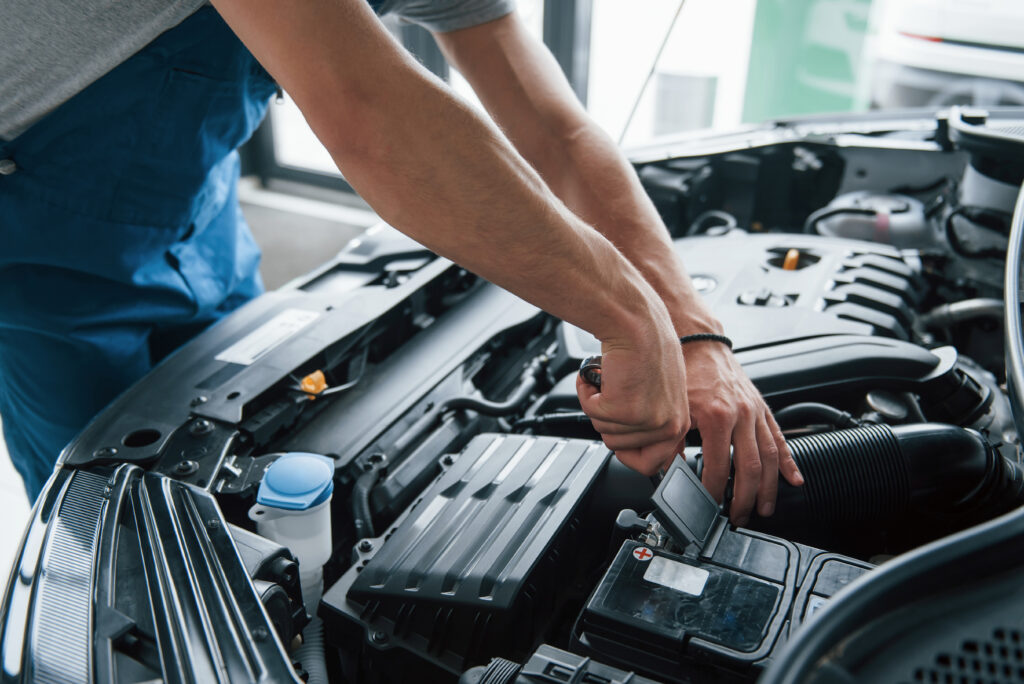
Recognizing thermostat problems early can save you from costly repairs. Common signs include:
- Engine overheating or running too cold
- Fluctuating temperature gauge readings
- Poor heater performance in cold weather
- Coolant leaks or boiling sounds from under the hood
If you notice these symptoms, it may be time to replace your thermostat.
What Happens If the Thermostat Fails
A failing thermostat can cause two major issues:
- Stuck Closed – Coolant cannot circulate, leading to overheating.
- Stuck Open – The engine runs too cool, wasting fuel and reducing efficiency.
Both scenarios compromise performance and can damage the engine if ignored.
How to Fix Thermostat Issues
If you suspect your thermostat is failing:
- Diagnose the problem – Use a scan tool or observe temperature fluctuations.
- Replace the thermostat – This is a relatively inexpensive repair.
- Check coolant levels – Ensure the system has the correct fluid mix.
- Inspect hoses and radiator – Look for leaks or blockages.
- Flush the cooling system – Prevent buildup of rust or debris.
Preventive Maintenance Tips
- Check coolant regularly – Top up every few months.
- Flush the radiator every 1–2 years to prevent buildup.
- Inspect the thermostat during servicing to catch issues early.
- Drive smart – Avoid prolonged idling in extreme heat.
- Pay attention to dashboard gauges – Early warning signs can save your engine.
Final Thoughts
So, what does a thermostat do for a car? The automotive thermostat regulates engine temperature, ensuring efficiency, safety, and comfort. By keeping the engine within its ideal operating range, it protects against overheating, improves fuel economy, and reduces emissions.
Regular maintenance and timely replacement of a faulty thermostat are essential to keep your car running smoothly and reliably. A well‑maintained thermostat not only protects your engine but also ensures safer, more efficient journeys.
If you have any questions, you can ask our mechanics on a live chat here or download our mobile app from Apple AppStore and Google Playstore. You can also download our G-OBD AI Diagnostics App on Playstore here.
Leave a Reply