
Automotive fuses may look small and simple, but they are among the most important safety devices in your car’s electrical system. Understanding what they do, how they work, and why they matter can help you troubleshoot electrical problems and keep your vehicle reliable. Let’s break it down in detail.
Table of Contents
The Function of Automotive Fuses
The primary job of a fuse is to protect electrical circuits. Each fuse is designed to break the circuit when too much current flows through it. This prevents damage to wiring, electronics, and other vital components. In simple terms, fuses act as a barrier between excess current and sensitive systems.
Without fuses, even minor electrical problems could escalate into major damage, costly repairs, or even fire hazards. They are the first line of defense against electrical overloads and short circuits.
How Automotive Fuses Work
Inside every fuse is a thin strip of metal. When exposed to excessive current, this strip melts, breaking the circuit and cutting off power to the affected system. This ensures that only the faulty circuit is disabled, rather than the entire vehicle.
For example, if your radio suddenly stops working, it’s often because the fuse protecting that circuit has blown. Replacing the fuse restores power without harming the rest of the electrical system.
Why Automotive Fuses Are Essential
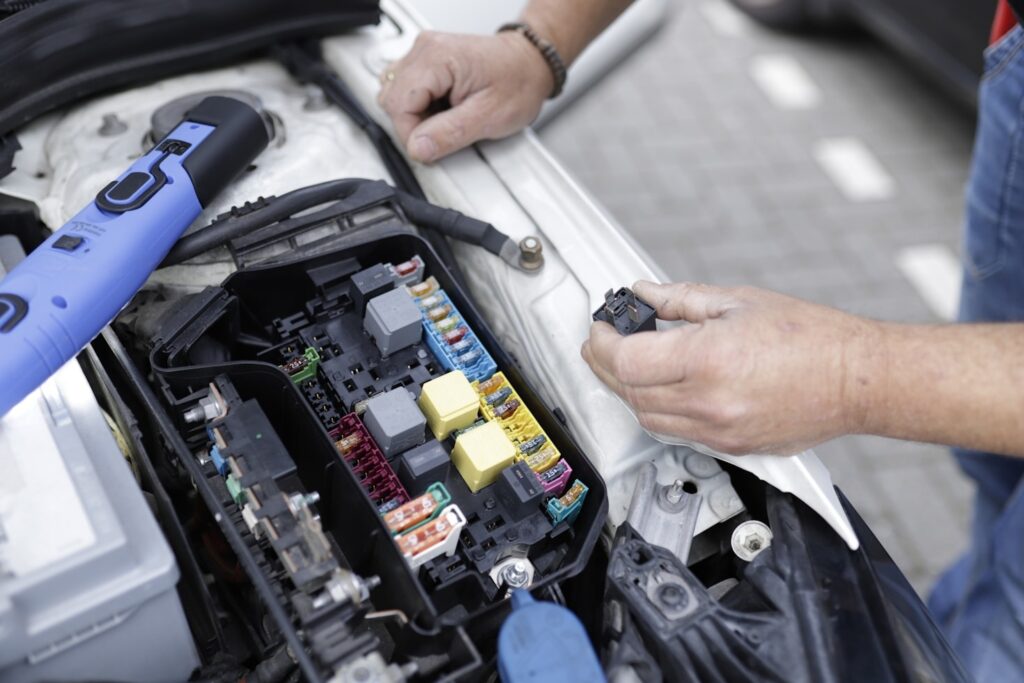
The importance of fuses goes beyond simple protection. They ensure:
- Safety – Preventing electrical fires and overheating.
- Reliability – Keeping your car’s systems functioning without interruption.
- Cost Savings – Protecting expensive components like the alternator, battery, and wiring harness from damage.
- Convenience – Allowing quick and inexpensive fixes when a circuit overload occurs.
Every modern car relies heavily on electronics, from headlights and radios to advanced driver‑assistance systems. Each of these systems requires protection, and fuses provide it.
Types of Automotive Fuses
There are several types of fuses used in cars:
- Blade Fuses – The most common type, found in most modern vehicles. They come in different sizes and amperage ratings.
- Glass Tube Fuses – Found in older vehicles, these are cylindrical and transparent.
- Cartridge Fuses – Larger fuses used for high‑current circuits, such as those protecting the starter or alternator.
- Resettable Circuit Breakers – Found in some modern vehicles, these act like fuses but can be reset instead of replaced.
Fuse Box Locations
Most vehicles have at least two fuse boxes:
- Interior Fuse Box – Located under the dashboard or near the steering wheel. It protects systems like lights, radios, power windows, and seat controls.
- Engine Compartment Fuse Box – Found under the hood. It safeguards critical components such as the alternator, cooling fans, ignition system, and fuel pump.
Luxury or high‑tech vehicles may include additional fuse panels to handle advanced electronics.
Signs of a Blown Fuse
Knowing when a fuse has blown can save you time and frustration. Common signs include:
- Electrical components suddenly stop working (radio, lights, power windows).
- No power to certain systems despite a healthy battery.
- Visible damage inside the fuse, such as a broken strip or burn marks.
Checking fuses is straightforward. Most fuse boxes have a diagram showing which fuse controls which system. By pulling out the suspect fuse and inspecting it, you can confirm whether it has blown.
How to Replace a Fuse
Replacing a fuse is one of the simplest car maintenance tasks:
- Locate the fuse box (interior or engine compartment).
- Use the diagram to identify the correct fuse.
- Pull out the fuse with a fuse puller or needle‑nose pliers.
- Inspect the fuse—if the metal strip inside is broken, it has blown.
- Replace it with a new fuse of the same amperage rating.
Never replace a fuse with one of a higher rating, as this can allow too much current to flow and damage the system.
Preventive Maintenance for Fuses
While fuses are designed to fail safely, you can reduce the risk of electrical problems by:
- Avoiding overloading circuits with aftermarket accessories.
- Using manufacturer‑approved electrical components.
- Inspecting fuse boxes periodically for corrosion or moisture.
- Keeping spare fuses in your glove compartment for emergencies.
Common Myths About Car Fuses
- “A blown fuse means the car is unsafe.” Not necessarily. A blown fuse simply indicates that a circuit was overloaded. Replacing it usually restores function.
- “All cars have the same number of fuses.” The number varies widely depending on the vehicle’s design and features.
- “You can use any fuse as a replacement.” Incorrect. Always use the correct amperage rating specified by the manufacturer.
Final Thoughts
So, what do automotive fuses do? The answer is simple yet vital: they protect your car’s electrical system from overloads and short circuits. By acting as a barrier between excess current and sensitive components, they ensure safety, reliability, and peace of mind.
Though small in size, fuses are essential for keeping your vehicle’s electrical systems running smoothly. By understanding their importance, knowing how to check them, and recognizing the signs of a blown fuse, you can keep your car reliable and road‑ready.
If you have any questions, you can ask our mechanics on a live chat here or download our mobile app from Apple AppStore and Google Playstore. You can also download our G-OBD AI Diagnostics App on Playstore here.
Leave a Reply