
Auto battery replacement is very essential as your car’s battery is one of the most crucial components of your vehicle. It powers your starter motor, lights, electronics, and other vital systems. Over time, batteries lose their ability to hold a charge, which can lead to unexpected breakdowns. Understanding when to replace auto battery ensures your vehicle remains reliable and prevents inconvenient roadside emergencies.
In this guide, we’ll explore signs of a failing battery, average lifespan, factors that affect battery life, and tips for a successful auto battery replacement.
Table of Contents
Why Timely Auto Battery Replacement Is Important
Delaying an auto battery replacement can have serious consequences:
● Vehicle Won’t Start: A dead battery can leave you stranded.
● Electrical Malfunctions: Dim lights, malfunctioning sensors, and infotainment issues may occur.
● Damage to Other Components: Repeated attempts to start your car with a weak battery can strain the alternator and starter motor.
● Safety Risks: A sudden battery failure can happen at the worst possible time, such as in traffic or remote areas.
Replacing your battery on time ensures safety, reliability, and proper operation of all vehicle systems.
How Long Do Car Batteries Last?
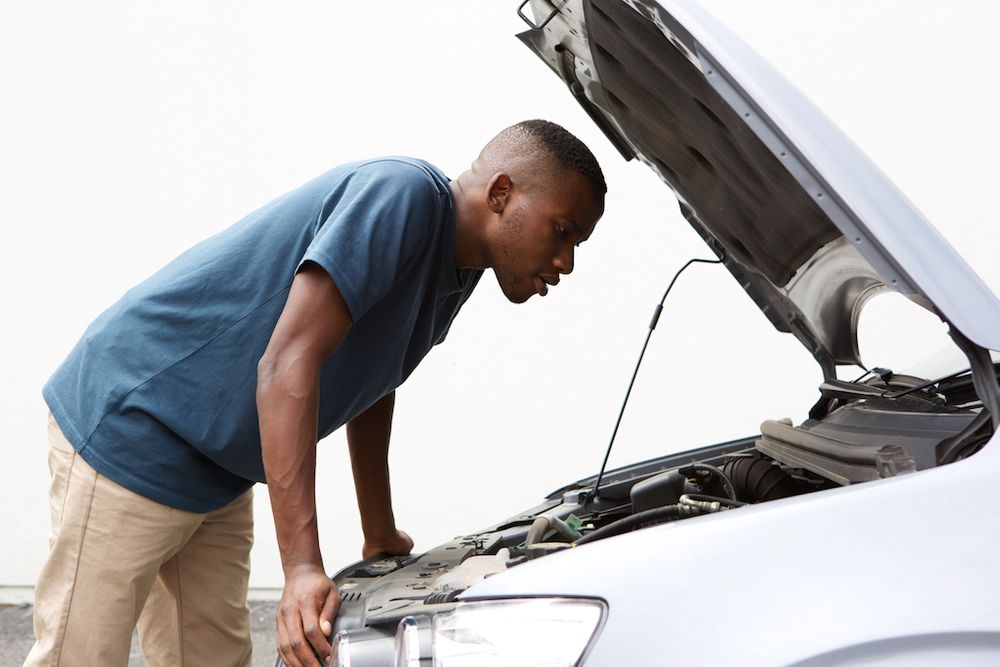
On average, most car batteries last 3–5 years, but this can vary depending on several factors:
● Battery Type: Lead-acid, AGM, gel, and lithium-ion batteries have different lifespans.
● Climate: Extreme hot or cold conditions can reduce battery life.
● Driving Habits: Frequent short trips prevent full charging and reduce battery longevity.
● Vehicle Electronics: Cars with start-stop systems or many electronics put extra strain on the battery.
While 3–5 years is a general guideline, regular inspection is the best way to determine the right time for auto battery replacement.
Signs It’s Time to Replace Your Auto Battery
Even if your battery is within the typical lifespan, certain signs indicate it’s time for auto battery replacement:
- Slow Engine Crank: Your engine takes longer than usual to start.
- Dim Lights: Headlights or interior lights appear weak.
- Dashboard Warning Light: The battery or alternator warning symbol lights up.
- Corrosion: White or blue powder around the battery terminals.
- Frequent Jump Starts: If you regularly need a jump, your battery may be failing.
- Old Age: Batteries older than 3–5 years are likely at the end of their lifespan.
Recognizing these signs early prevents inconvenient breakdowns and ensures reliable vehicle performance.
Factors That Influence Battery Replacement Timing
Several factors determine when to replace auto battery:
1. Climate
Hot weather accelerates battery fluid evaporation and corrosion, while extreme cold reduces battery efficiency. Vehicles in harsh climates may require earlier replacement.
2. Driving Patterns
Short trips prevent the alternator from fully charging the battery, leading to sulfation and reduced capacity. Frequent long drives help maintain battery health.
3. Vehicle Electronics
Modern cars with advanced electronics, infotainment systems, and start-stop engines put extra demand on the battery, sometimes requiring earlier replacement.
4. Maintenance Habits
Regular cleaning of battery terminals, checking connections, and inspecting for corrosion helps extend battery life. Neglecting maintenance accelerates wear.
How to Prepare for Auto Battery Replacement
When it’s time for auto battery replacement, follow these steps to ensure a smooth process:
● Check the Battery Type: Use the same type recommended by your vehicle manufacturer.
● Inspect Battery Terminals: Clean any corrosion or debris before installation.
● Backup Memory Settings: Some electronics may reset when the battery is removed.
● Professional Installation: While some DIYers can replace a battery, professional installation ensures proper connections and safety.
Cost of Auto Battery Replacement
The cost varies based on battery type, brand, and service:
● Standard Lead-Acid Battery: $50–$120
● AGM Battery: $120–$250
● Lithium-Ion Battery: $200–$400+
● Installation Fee: $10–$50
Investing in a high-quality battery and professional installation ensures longevity and reliable performance.
Tips to Extend Battery Life
To maximize battery lifespan and reduce the frequency of auto battery replacement:
● Drive Regularly: Short trips prevent full charging.
● Limit Electrical Load: Turn off lights, radio, and other electronics when the car is off.
● Clean Terminals: Prevent corrosion buildup on terminals.
● Park Smart: Avoid exposing your car to extreme temperatures when possible.
● Regular Checkups: Test your battery during routine maintenance.
Conclusion
Knowing when to replace auto battery is essential for maintaining vehicle reliability, safety, and performance. Most batteries last 3–5 years, but factors such as climate, driving habits, vehicle electronics, and maintenance practices can shorten or extend this lifespan.
Pay attention to warning signs such as slow engine cranks, dim lights, corrosion, and frequent jump-starts. Timely auto battery replacement prevents unexpected breakdowns, protects other vehicle components, and keeps your car running smoothly.
Regular inspection, proper maintenance, and choosing the right battery type ensure your vehicle remains safe, reliable, and efficient on the road.
If you have any questions, you can ask our mechanics on a live chat here or download our mobile app from Apple AppStore and Google Playstore. You can also download our G-OBD AI Diagnostics App on Playstore here.
Leave a Reply