
Knowing the right time for Auto battery replacement can save you from unexpected breakdowns, costly repairs, and unnecessary stress. Many drivers wait until their car refuses to start, but by then, the warning signs have usually been there for weeks or even months.
This guide explains exactly when you should replace your battery and how to avoid being caught off guard.
Table of Contents
How Often Should You Replace an Auto Battery?
The average lifespan of a car battery is 3 to 5 years. However, this is not a fixed rule.
Several factors affect how long your battery will last:
- Hot weather conditions
- Frequent short trips
- Driving habits
- Battery quality
If your battery is approaching 4 years or more, it’s wise to start planning for Auto battery replacement, even if it seems to be working fine.
Key Signs You Need Auto Battery Replacement
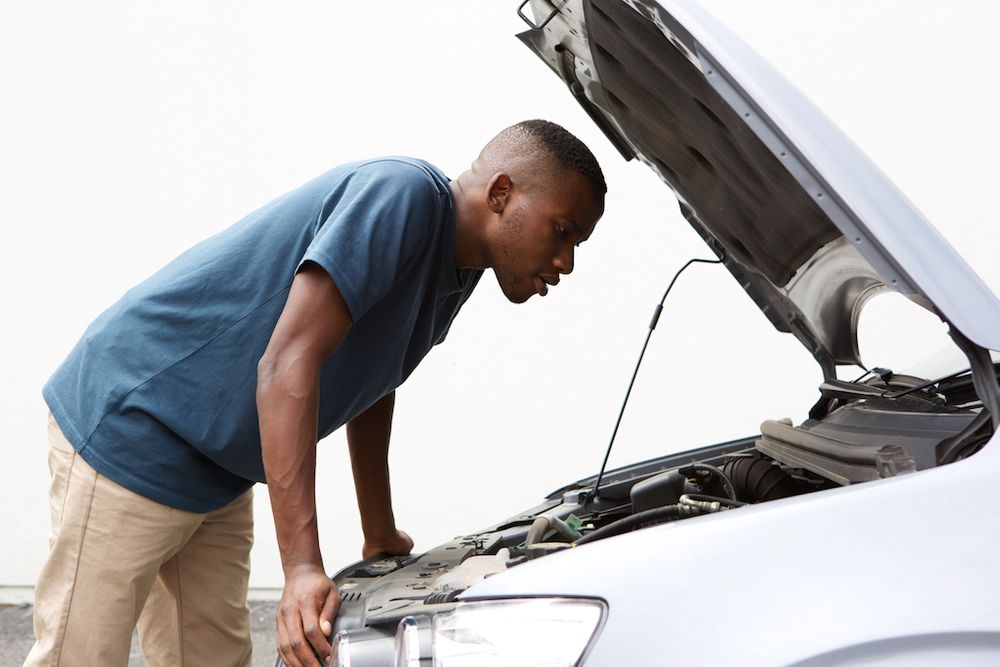
A failing battery rarely dies without warning. Here are the signs to watch for:
1. Slow Engine Crank
When you start your car and the engine turns over slowly, it’s often the first sign your battery is weakening.
2. Dim or Flickering Lights
Headlights and interior lights that appear dim or flicker—especially during startup—indicate unstable voltage.
3. Frequent Jump-Starts
Needing a jump-start more than once in a short period is a clear signal your battery can no longer hold charge.
4. Dashboard Warning Light
A battery or charging system warning light should never be ignored. It may indicate battery failure or related system issues.
5. Corrosion on Battery Terminals
Excessive white or bluish buildup around terminals can interfere with electrical flow and signal battery deterioration.
6. Swollen Battery Case
A bloated or misshapen battery is usually caused by heat or overcharging. This is a serious issue and requires immediate replacement.
7. Rotten Egg Smell
A sulphur smell indicates gas leakage or internal damage. This is not just a performance issue—it’s a safety concern.
Why You Shouldn’t Delay Battery Replacement
Postponing Auto battery replacement can lead to:
- Unexpected breakdowns
- Being stranded in traffic or remote areas
- Increased strain on your alternator
- Higher repair costs
A weak battery doesn’t just fail—it can affect the entire electrical system of your vehicle.
Factors That Shorten Battery Life
Understanding what damages your battery helps you avoid early replacement:
Heat Exposure
High temperatures accelerate internal chemical wear and reduce lifespan.
Short Trips
Frequent short drives prevent the battery from fully recharging.
Loose Installation
Vibration from a poorly secured battery can cause internal damage over time.
Leaving Accessories On
Lights, chargers, and electronics drain power when the engine is off.
When to Replace vs When to Recharge
Not every weak battery needs immediate replacement.
Recharge if:
- Battery drained due to lights left on
- Vehicle hasn’t been used for a long time
Replace if:
- Battery repeatedly loses charge
- It’s older than 3–5 years
- It shows physical damage or warning signs
If the battery fails again shortly after charging, replacement is the only reliable solution.
Preventive Tips to Extend Battery Life
You can delay Auto battery replacement with simple habits:
- Take longer drives occasionally
- Keep battery terminals clean
- Ensure the battery is tightly secured
- Test the battery regularly after year three
- Turn off all electronics before leaving the car
Get Professional Help and Accurate Diagnosis
If you’re unsure whether your battery needs replacing or just charging, it’s best to consult a professional.
You can ask professional mechanics directly here:
https://askamechanic.asoroautomotive.com
Access support and manage your vehicle records:
https://admin.asoroautomotive.com
Manage your car maintenance on the go:
- Apple App Store: https://apps.apple.com
- Google Play Store: https://play.google.com
For advanced diagnostics and real-time vehicle data:
https://play.google.com/store/apps/details?id=com.gobd
Final Thoughts
Timing your Auto battery replacement correctly is one of the simplest ways to avoid breakdowns and maintain your car’s reliability.
Don’t wait until your car refuses to start. Pay attention to early warning signs, understand your battery’s lifespan, and take action before a small issue turns into a major inconvenience.
A proactive approach keeps you in control—and keeps your car moving when you need it most.
Leave a Reply