
A water pump leak is one of the most common issues drivers encounter in their vehicle’s cooling system. The water pump is responsible for circulating coolant through the engine, keeping temperatures stable and preventing overheating. When it begins to leak, performance suffers and the risk of engine damage rises. Understanding the causes of a water pump leak helps you take preventive action and avoid costly repairs.
Why the Water Pump Is Important
The water pump is often described as the heart of the cooling system. It pushes coolant from the radiator into the engine and back again, ensuring the engine operates at the right temperature. Without this circulation, the engine would overheat within minutes.
A water pump leak disrupts this process. Even a small leak reduces coolant levels, which compromises the system’s ability to regulate temperature. Left unchecked, this can lead to overheating, warped cylinder heads, or complete engine failure.
Table of Contents
Common Causes of a Water Pump Leak
Several factors can lead to a leaking water pump. Understanding these causes can help you spot problems early and prevent costly breakdowns.
1. Worn Seals and Gaskets
Seals and gaskets are designed to keep coolant contained within the pump. Over time, they lose flexibility, crack, or wear out. Once this happens, coolant begins to seep out, often appearing as small puddles under the front of the car.
2. Corrosion and Rust
Coolant contains additives that prevent corrosion, but if coolant is old, contaminated, or neglected, rust can form inside the pump. Corrosion weakens the housing and creates tiny holes or cracks that allow coolant to escape.
3. Damaged Bearings
Bearings allow the pump shaft to rotate smoothly. When they wear out, the shaft can wobble, which damages seals and leads to leaks. Bearing failure is often accompanied by grinding or whining noises from the pump area.
4. Coolant Contamination
Mixing different types of coolant or using the wrong formulation can damage internal components. Contaminated coolant may attack seals, gaskets, and metal surfaces, eventually causing leaks.
5. Excessive Pressure
A faulty radiator cap or thermostat can cause pressure to build up in the cooling system. When pressure exceeds the pump’s capacity, coolant is forced out through weak seals or cracks in the housing.
Signs of a Coolant Leak at the Water Pump
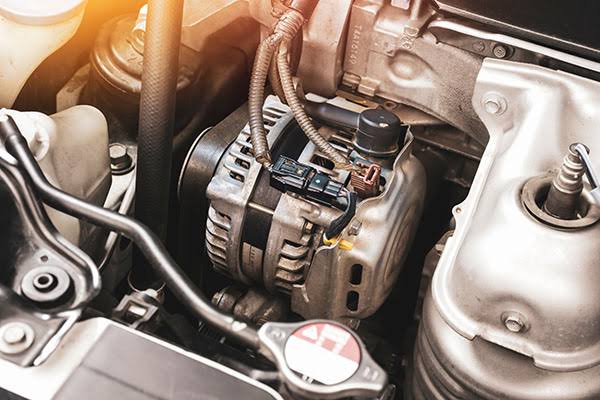
Spotting the symptoms early can save you from bigger problems. Watch for:
- Coolant puddles under the front of the car
- Steam rising from the hood due to overheating
- A sweet smell from leaking coolant
- Rust or residue around the pump housing
- Engine temperature gauge climbing higher than normal
These warning signs indicate that the pump is failing and needs immediate attention.
Why You Shouldn’t Ignore a Leak
Driving with a coolant leak at the water pump is risky. Not only does it reduce coolant levels, but it also compromises the cooling system. Ignoring the issue can lead to:
- Overheating during normal driving
- Blown head gaskets, which are expensive to repair
- Damage to the catalytic converter if coolant contaminates exhaust gases
- Complete engine failure, requiring a costly rebuild or replacement
What may start as a minor leak can quickly escalate into thousands of dollars in repairs.
Repair vs. Replacement
Many drivers wonder if a leaking water pump can be repaired. In most cases, the answer is no. While temporary fixes such as sealants or stop‑leak products may slow down the leak, they do not address the root cause.
Because leaks usually stem from worn seals, corroded housing, or damaged bearings, patching the pump rarely works. Mechanics typically recommend a full water pump replacement rather than repair. A new pump restores proper coolant circulation, prevents further leaks, and ensures long‑term reliability.
Cost of Water Pump Replacement
The cost of replacing a water pump varies depending on the vehicle and labor charges. On average:
- Parts: $50–$200 for standard vehicles; $200+ for luxury models
- Labor: $200–$500 depending on accessibility and complexity
- Total: $300–$700 for most cars
Though it may feel like a significant expense, it is far less costly than repairing an overheated engine or replacing a damaged cylinder head.
Preventive Maintenance Tips
To extend the life of your water pump and avoid leaks:
- Check coolant regularly – Low or contaminated coolant accelerates wear.
- Flush the radiator every 1–2 years to prevent rust and debris buildup.
- Inspect belts and hoses during routine servicing.
- Use manufacturer‑recommended coolant to avoid chemical damage.
- Address overheating promptly – Ignoring high temperatures strains the pump.
Common Myths About Water Pump Leaks
- “Sealant will fix it permanently.” Sealants only provide temporary relief and often clog other parts of the cooling system.
- “If the leak is small, I can ignore it.” Even minor leaks reduce coolant levels and can lead to overheating.
- “Replacing the pump is too expensive.” Compared to engine damage, pump replacement is a cost‑effective solution.
Final Thoughts
So, what causes a water pump in a car to leak? The most common culprits are worn seals, corrosion, faulty bearings, contaminated coolant, and excessive system pressure. By recognizing the signs early and addressing them promptly, you can protect your engine, avoid breakdowns, and extend the life of your vehicle.
A coolant leak at the water pump may seem minor, but it’s a problem that requires immediate attention. Replacement is the only reliable fix, and it is far cheaper than repairing an overheated engine. Addressing the issue promptly will save you money, reduce stress, and keep your car running smoothly.
If you have any questions, you can ask our mechanics on a live chat here or download our mobile app from Apple AppStore and Google Playstore. You can also download our G-OBD AI Diagnostics App on Playstore here.
Leave a Reply