
Tyres are the only part of your car that makes direct contact with the road, which means their condition directly affects safety, performance, and efficiency. One of the most effective yet often overlooked maintenance practices is tyre rotation. But what does tyre rotation do, and why is it so important? Let’s explore.
Table of Contents
What Is Tyre Rotation?
Tyre rotation is the process of moving your tyres from one position on the car to another—front to back, side to side, or diagonally. The purpose is to ensure that all four tyres wear evenly over time.
Front tyres typically wear faster because they handle steering and carry more weight. Rear tyres, on the other hand, are mostly being pulled along. Without rotation, you’ll end up replacing your front tyres much sooner than the rear ones, which is both inefficient and costly.
In short, tyre rotation balances wear, extends tyre life, and improves overall vehicle performance.
Why Tyre Rotation Matters
Skipping tyre rotation might not cause immediate problems, but the long-term consequences are significant. Here’s what regular rotation does for your car:
- Extends Tyre Lifespan: Even wear means you won’t need to replace tyres prematurely.
- Improves Safety: Balanced tread depth ensures better grip, especially in wet conditions.
- Boosts Fuel Efficiency: Properly maintained tyres reduce rolling resistance, saving fuel.
- Enhances Handling: Even wear prevents pulling to one side and keeps steering smooth.
According to Bridgestone, uneven tyre wear can reduce braking efficiency and compromise safety. Tyre rotation is a low-cost way to avoid those risks.
How Often Should You Rotate Tyres?
As a general rule, tyres should be rotated every 8,000 to 10,000 kilometres (or roughly every other oil change). However, always check your vehicle’s owner’s manual for manufacturer-specific recommendations.
Different drivetrains require different rotation patterns:
- Front-Wheel Drive (FWD): Front tyres move to the rear, rear tyres cross to the front.
- Rear-Wheel Drive (RWD): Rear tyres move forward, front tyres cross to the back.
- All-Wheel Drive (AWD): Often requires a more complex cross-pattern rotation.
Consistency is key. Missing rotations can lead to uneven tread wear that no amount of balancing or alignment can fix later.
What’s Included in a Tyre Rotation Service?
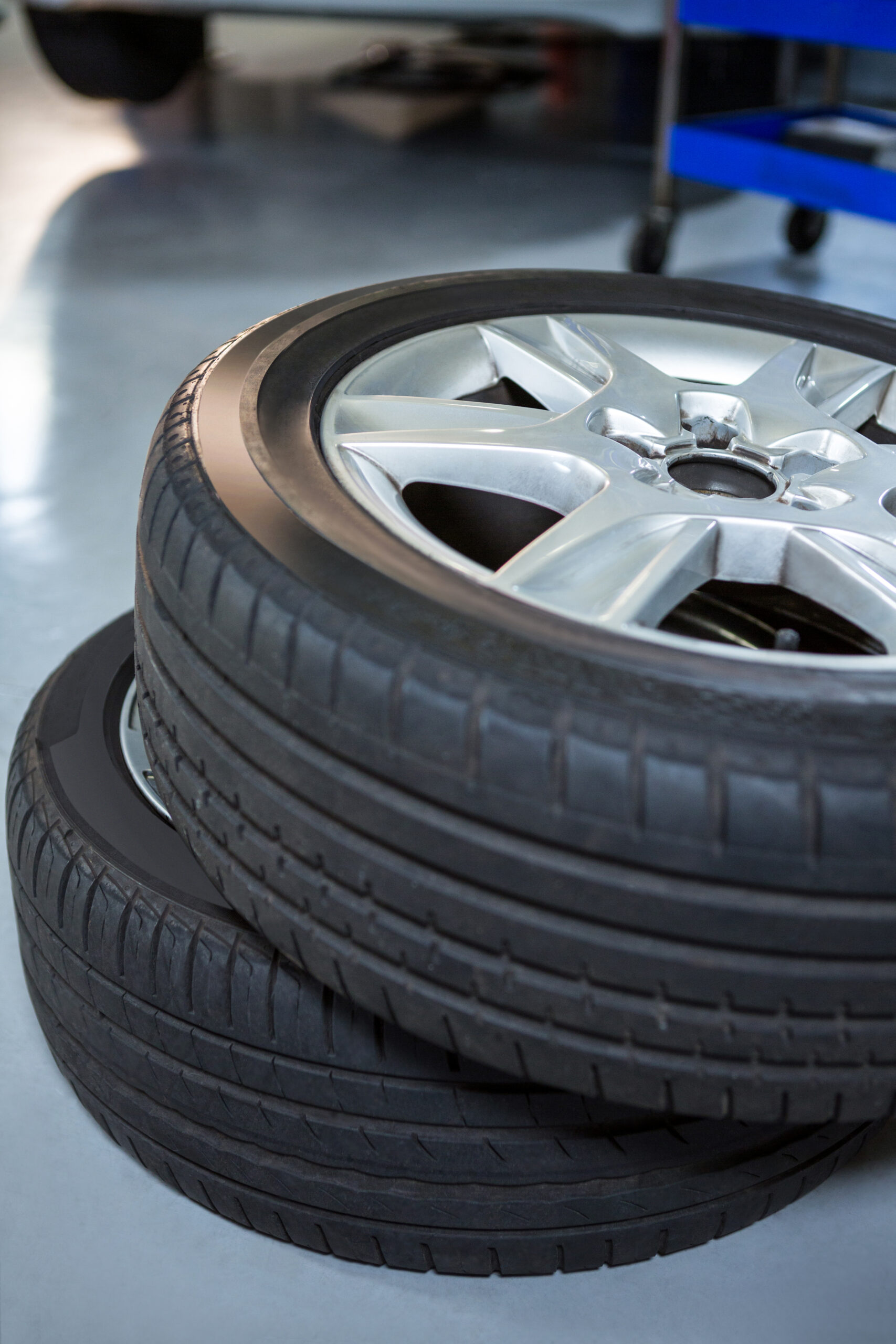
A proper tyre service is more than just swapping tyres around. It usually includes:
- Checking and adjusting tyre pressure
- Inspecting tread depth and wear patterns
- Examining sidewalls for cracks or bulges
- Identifying alignment or suspension issues
- Wheel balancing (if needed)
Uneven wear patterns can reveal deeper problems. For example, worn edges often point to alignment issues, while excessive centre wear suggests over-inflation. Catching these early during rotation prevents bigger expenses later.
How Much Does Tyre Rotation Cost?
Tyre is one of the most affordable car maintenance services. Prices typically range between ₦20,000 and ₦60,000 depending on the workshop, vehicle type, and whether it’s bundled with other services.
- Dealerships: Higher cost, often bundled with inspections.
- Independent Garages: More affordable, straightforward rotation.
- Tyre Retailers: Sometimes free if you purchased tyres from them.
Compared to the cost of replacing tyres prematurely, rotation is a bargain.
Signs You Need Tyre Rotation
Even if you’re not tracking mileage, your car will often tell you when rotation is overdue. Look out for:
- Uneven tread wear between front and rear tyres
- Vibrations while driving
- Pulling to one side despite proper alignment
- Reduced grip in wet conditions
If you notice any of these, schedule a rotation immediately.
External Resources for Tyre Care
For more detailed tyre maintenance tips, check out:
These resources provide manufacturer-backed insights that complement regular rotation practices.
If you’re unsure about your tyre condition or need expert advice, help is within reach:
- Ask professional mechanics directly here: Ask a Mechanic
- Access general support here: Admin Support
- Download the Ask a Mechanic App:
- Get real-time diagnostics with the G-OBD AI Diagnostics App:
These tools make it easy to get professional guidance anytime, anywhere.
Final Thoughts
So, what does tyre rotation do? It saves you money, keeps your car safer, and ensures smoother driving. Think of it as preventive medicine for your tyres—cheap, quick, and highly effective.
Skipping tyre rotation might not cause immediate problems, but over time, it leads to uneven wear, higher fuel costs, and premature tyre replacement. By rotating your tyres every 8,000–10,000 km, you’re investing in longer tyre life, better performance, and peace of mind on the road.
Leave a Reply