
Maintaining your vehicle’s tyres is essential for safety, performance, and long-term cost savings. One of the most important maintenance tasks that many drivers overlook is tyre rotation. Understanding what tyre rotation does, how it benefits your vehicle, and when it should be performed can save you money and improve your driving experience.
Tyres are the only part of your car that comes into contact with the road, making their proper care critical. Unevenly worn tyres can affect handling, fuel efficiency, and braking performance, all of which make tyre rotation an essential part of regular vehicle maintenance.
Understanding Tyre Rotation
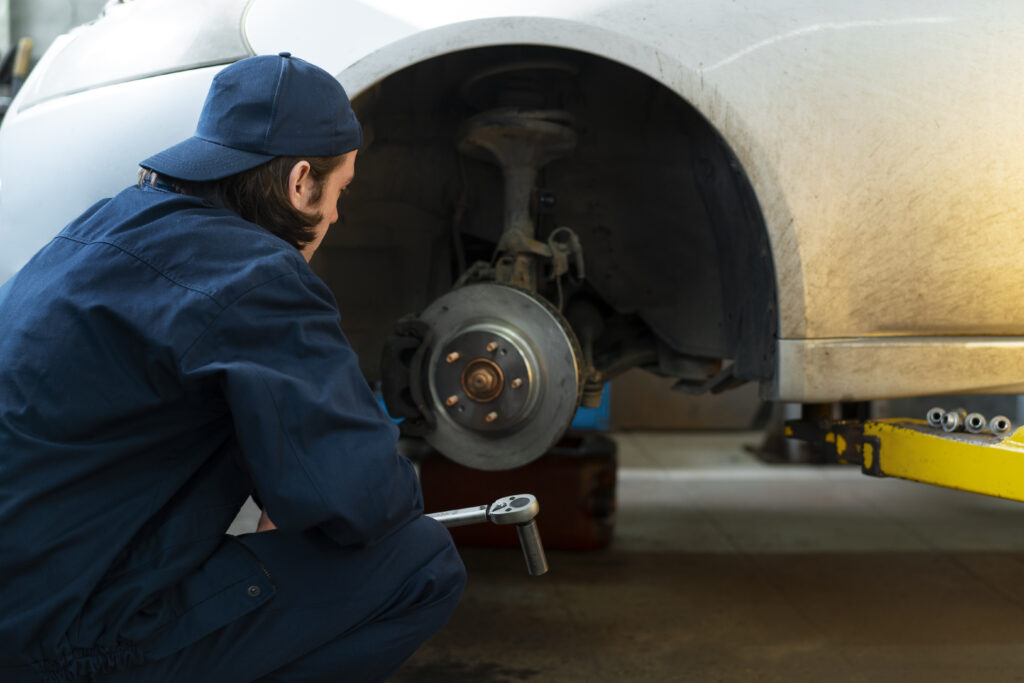
Tyre rotation is the process of moving tyres from one position on your vehicle to another. This is done to ensure that all tyres wear evenly over time. Tyres naturally wear at different rates depending on their position, the vehicle’s weight distribution, and driving habits.
For example, front tyres often wear faster on front-wheel-drive vehicles because they handle steering, braking, and most of the vehicle’s weight. Without regular tyre rotation, these tyres may wear out prematurely, while the rear tyres remain in good condition. Over time, this imbalance can affect your vehicle’s handling and performance.
How Tyre Rotation Works
During a tyre rotation, each tyre is moved to a different position on the vehicle. The rotation pattern depends on your vehicle type:
Front-Wheel Drive (FWD): Front tyres are moved to the rear, and rear tyres cross to the front.
Rear-Wheel Drive (RWD): Rear tyres move to the front, and front tyres cross to the rear.
All-Wheel Drive (AWD) or 4×4: Rotations often follow a diagonal or manufacturer-recommended pattern.
Professional technicians also check tyre pressure, inspect for uneven wear, and ensure the tyres are in good condition. Proper rotation not only balances wear but can also prevent the need for early tyre replacement.
Why Tyre Rotation Is Important
It provides provides numerous benefits for both vehicle performance and driver safety:
1. Extends Tyre Lifespan
Rotating your tyres ensures that all four tyres wear evenly. Uneven tyre wear can lead to premature replacement, which is a costly expense. Tyres are a long-term investment, and regular rotation helps you get the most out of them.
2. Improves Safety
Uneven tyres can reduce traction, increase stopping distance, and cause handling issues. By rotating tyres, you maintain balanced tyre wear, which keeps your vehicle safer during braking, turning, and emergency maneuvers.
3. Enhances Fuel Efficiency
Evenly worn tyres reduce rolling resistance. When your tyres have balanced wear patterns, your engine doesn’t have to work as hard to move the vehicle. This results in improved fuel efficiency and lower fuel costs over time.
4. Prevents Noise and Vibration
Unevenly worn tyres can create vibrations or noise while driving. Rotating tyres regularly prevents this, providing a smoother and quieter ride for drivers and passengers.
5. Protects Other Vehicle Components
Tyres that wear unevenly can place additional stress on suspension components, wheel bearings, and alignment systems. By rotating tyres regularly, you reduce the risk of damaging these parts and avoid expensive repairs.
How Often Should Tyre Rotation Be Performed?
Most vehicle manufacturers recommend tyre rotation every 5,000 to 8,000 miles, or roughly every six months. However, the exact interval can depend on factors such as:
Vehicle type: FWD, RWD, AWD
Driving conditions: City driving, highways, or off-road terrain
Tyre type: All-season, performance, or winter tyres
Following the recommended schedule ensures consistent tyre performance and prevents uneven wear, maximizing the lifespan of your tyres and improving vehicle safety.
Signs You Need Tyre Rotation
Even if you follow a routine schedule, certain signs may indicate that your tyres need rotation:
Uneven Tread Wear: One tyre may be more worn than the others.
Vehicle Pulling: The car pulls to one side while driving, often due to uneven tyre wear.
Vibrations or Noise: Uneven tyres can cause the steering wheel or cabin to vibrate or produce noise.
Reduced Traction: Noticeable decrease in grip or handling, especially in wet or slippery conditions.
Addressing these signs with a professional tyre rotation can prevent further wear and ensure safer driving.
Professional Tyre Rotation Service
While it’s possible to rotate tyres yourself, a professional service ensures that the job is done correctly. Technicians follow the manufacturer’s recommended rotation pattern and also inspect tyres for:
Proper inflation
Tread depth
Signs of damage or punctures
Alignment and balancing issues
A professional tyre rotation maximizes tyre life, prevents uneven wear, and improves overall vehicle performance.
Benefits of Regular Tyre Rotation
The benefits of performing tyre rotation regularly extend beyond safety:
Cost Savings: Reduces the need for premature tyre replacement and prevents costly suspension or alignment repairs.
Enhanced Performance: Balanced tyres ensure better handling, braking, and traction.
Comfortable Ride: Prevents vibration, noise, and uneven road feel.
Longevity: Helps tyres last longer, getting the most value from your investment.
Final Thoughts on Tyre Rotation
So, what does tyre rotation do? It ensures even tyre wear, improves safety, enhances fuel efficiency, prevents noise and vibration, and extends tyre lifespan. Regular tyre rotation is a simple yet essential maintenance task that protects your vehicle, enhances performance, and reduces long-term costs.
Whether you are following a manufacturer’s maintenance schedule or noticing early signs of uneven wear, scheduling a professional tyre rotation is crucial. By keeping your tyres balanced and in good condition, you maintain safer handling, smoother rides, and better overall driving performance.
If you have any questions, you can ask our mechanics on a live chat here or download our mobile app from Apple AppStore and Google Playstore. You can also download our G-OBD AI Diagnostics App on Playstore here.
Leave a Reply