
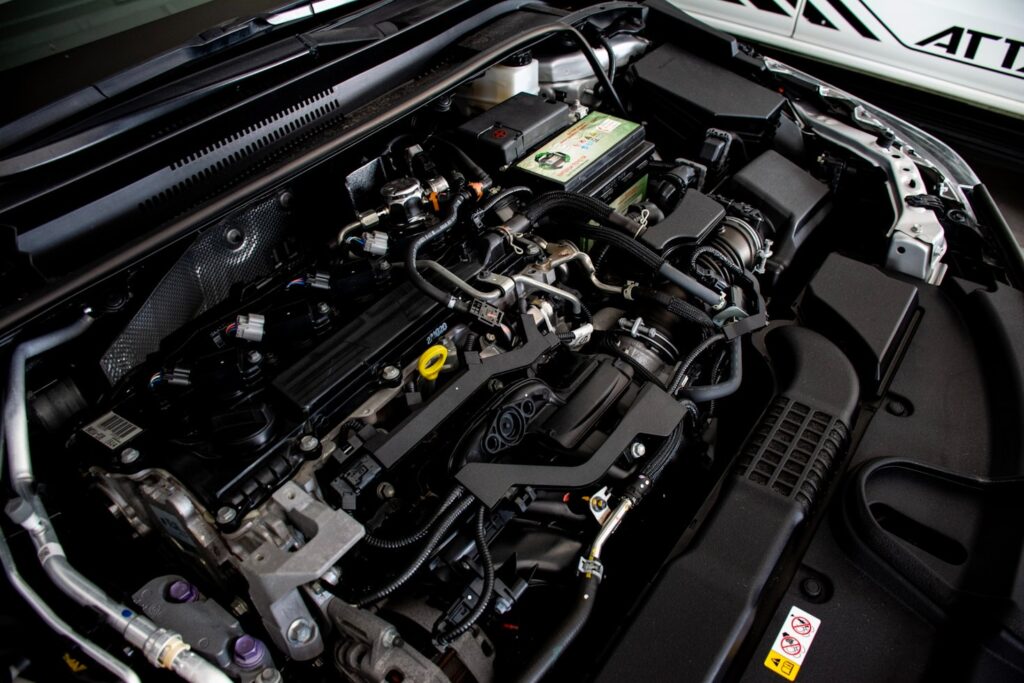
The transmission is one of the most complex and expensive components in your vehicle, responsible for transferring power from the engine to the wheels.
When it fails, the question many drivers ask is: Is it worth fixing a car transmission? The answer depends on the severity of the problem, the age of your car and the cost of repair compared to replacement.
Table of Contents
Why the Transmission Matters
It ensures smooth gear shifts, efficient power delivery and overall drivability. Without it functioning, your car cannot operate safely or effectively, that’s why these problems should never be ignored.
Signs Your Transmission Needs Attention
Recognizing the early warning signs can help you decide whether repair or replacement is necessary:
- Slipping Gears: If your car unexpectedly changes gears or struggles to stay in gear, it is failing.
- Delayed or Rough Shifting: Hesitation or jerking when shifting gears signals internal wear.
- Unusual Noises: Grinding, whining, or clunking sounds often point to trouble.
- Fluid Leaks: Transmission fluid is vital for lubrication and cooling. Leaks can quickly lead to major damage.
- Warning Lights: A transmission warning light or check engine light should never be ignored.
Tips to Extend Transmission Life
While repair or replacement may eventually be necessary, there are practical steps drivers can take to extend their life and reduce the risk of costly breakdowns. Preventive care not only saves money but also ensures smoother performance and safer driving.
- Check the Fluid Regularly: Low or dirty fluid is one of the leading causes. Inspect levels monthly and schedule fluid changes as recommended by your manufacturer.
- Avoid Aggressive Driving: Rapid acceleration, hard braking, and frequent gear changes put unnecessary strain on it. Smooth driving habits help reduce wear.
- Warm Up Your Vehicle: In colder climates, allow the engine to idle for a few minutes before driving. This helps the fluid circulate properly.
- Don’t Overload Your Vehicle: Carrying excessive weight or towing beyond your car’s capacity can overheat the transmission. Always follow manufacturer guidelines.
- Schedule Routine Inspections: Mechanics can spot early signs of wear, leaks or sensor issues before they escalate into major problems.
- Use the Right Fluid: Each vehicle requires specific fluid types. Using the wrong one can cause damage over time. By following these preventive measures, drivers can maximize longevity and reduce the likelihood of expensive repairs. Even with proper care, however, issues may still arise, making timely attention essential to keep your car safe and dependable.
Is Transmission Repair Worth It?
Repairing a transmitter can be worth it if:
- The car is relatively new and in good condition.
- The repair cost is significantly lower than replacement.
- The issue is minor, such as a fluid leak or sensor problem.
However, if it has suffered major internal damage, a full rebuild or replacement may be the only option.
When Transmission Replacement Makes More Sense
Replacement may be better if:
- The car is older with high mileage.
- Repair costs approach or exceed the value of the vehicle.
- It has failed completely.
In these cases, investing in a new or rebuilt one can extend the life of your car and restore reliable performance.
So, is it worth fixing?
The answer depends on the extent of the damage, the age of your vehicle and the cost of repair versus replacement. Minor issues can often be repaired affordably, but severe problems may require a full replacement. Either way, addressing these problems quickly ensures your car remains safe, efficient and dependable.
If you have any questions, you can ask our mechanics on a live chat here or download our mobile app from Apple AppStore and Google Playstore. You can also download our G-OBD AI Diagnostics App on Playstore here.
Leave a Reply