
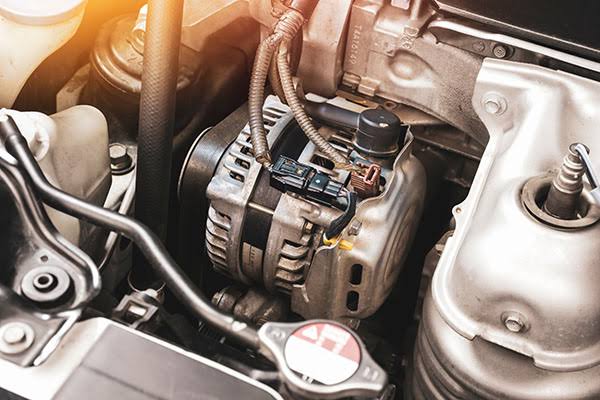
Your car’s charging system is essential for keeping everything running, and at the center of it is the alternator. When it starts to fail, the symptoms can quickly turn into expensive problems if ignored.
In this guide, you’ll learn the most common issues, how they affect your vehicle, and what it typically costs to replace this critical component.
Table of Contents
What Does an Alternator Do?
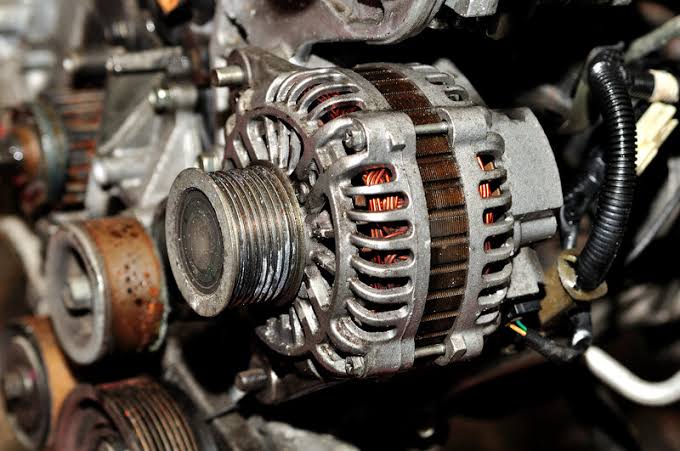
The alternator generates electrical power while the engine is running. It:
- Powers electrical systems
- Recharges the battery
- Maintains stable voltage
Without it, your car will rely solely on the battery—which won’t last long.
5 Costly Alternator Issues You Should Know
Understanding these problems early can help you avoid bigger repair bills.
1. Failing Voltage Regulator
The voltage regulator controls how much power it produces.
When it fails:
- Voltage becomes too high or too low
- Electrical components may be damaged
- Battery life is reduced
This issue can affect multiple systems at once.
2. Worn Bearings
Bearings allows it to spin smoothly with the engine.
Signs include:
- Grinding or growling noise
- Increased resistance
- Eventual seizure
If ignored, it can damage the belt system and lead to complete failure.
3. Damaged Diodes
Diodes convert AC power into DC power for your vehicle.
When they fail:
- Electrical output becomes unstable
- You may hear a high-pitched whining noise
- Battery may drain even when the car is off
This is a common but often overlooked issue.
4. Broken or Slipping Belt
It is driven by a serpentine belt.
If the belt:
- Slips
- Cracks
- Breaks
…the alternator won’t generate power effectively, leading to rapid battery drain.
5. Complete Alternator Failure
In severe cases, it stops working entirely.
This leads to:
- Frequent dead batteries
- Loss of electrical systems
- Engine shutdown after battery drains
At this stage, replacement is unavoidable.
What Does It Cost to Replace an Alternator?
Replacement costs vary depending on the vehicle and parts used.
Typical Cost Breakdown
- Parts: $100 – $500+
- Labour: $50 – $200
- Total: $150 – $700+
Luxury or complex vehicles may cost more due to accessibility and part pricing.
New vs Remanufactured vs Used
When replacing an alternator, you have three options:
New
- Highest cost
- Most reliable
- Comes with warranty
Remanufactured
- More affordable
- Rebuilt to working condition
- Good balance of cost and reliability
Used
- Cheapest option
- Higher risk of failure
- Limited or no warranty
How to Know When Replacement Is Necessary
You may need to replace it if:
- The battery keeps dying
- Lights dim or flicker
- Electrical systems behave erratically
- Voltage readings are outside normal range
Testing before replacement is always recommended.
How to Avoid Expensive Repairs
Preventive steps can extend the life of your alternator:
- Check belt condition regularly
- Keep battery terminals clean
- Test charging voltage during routine service
- Address warning signs early
Get Expert Help and Accurate Diagnosis
If you’re unsure about the issue or want to confirm before replacing parts, these resources can help:
- Ask professional mechanics directly:
https://askamechanic.asoroautomotive.com - Access general support and resources:
https://admin.asoroautomotive.com - Download the Ask a Mechanic mobile app:
• Apple App Store: Ask a Mechanic App (iOS)
https://apps.apple.com• Google Play Store: Ask a Mechanic App (Android)
https://play.google.com - Download the G-OBD AI Diagnostics App:
• Google Play Store: G-OBD AI Diagnostics App
https://play.google.com
Final Thoughts
The alternator is a key part of your vehicle’s electrical system, and problems with it can escalate quickly if ignored. While replacement costs can vary, early detection and proper maintenance can help you avoid unnecessary expenses.
Quick Tip:
If your car shows electrical issues or repeated battery problems, don’t assume it’s the battery—check the alternator first.
Leave a Reply