
Experiencing a situation where your steering wheel vibrates when you come to a stop can be alarming. While some vibrations are minor and harmless, consistent shaking often indicates an underlying mechanical issue that should not be ignored. Understanding the common causes and potential solutions can help you maintain vehicle safety and prevent costly repairs.
Table of Contents
What Causes the Steering Wheel to Vibrate?
When your steering wheel vibrates, it typically indicates a problem with the braking system, suspension, or wheel alignment. Vibrations may be felt more strongly at certain speeds or specifically when stopping. Common causes include:
1. Warped Brake Rotors
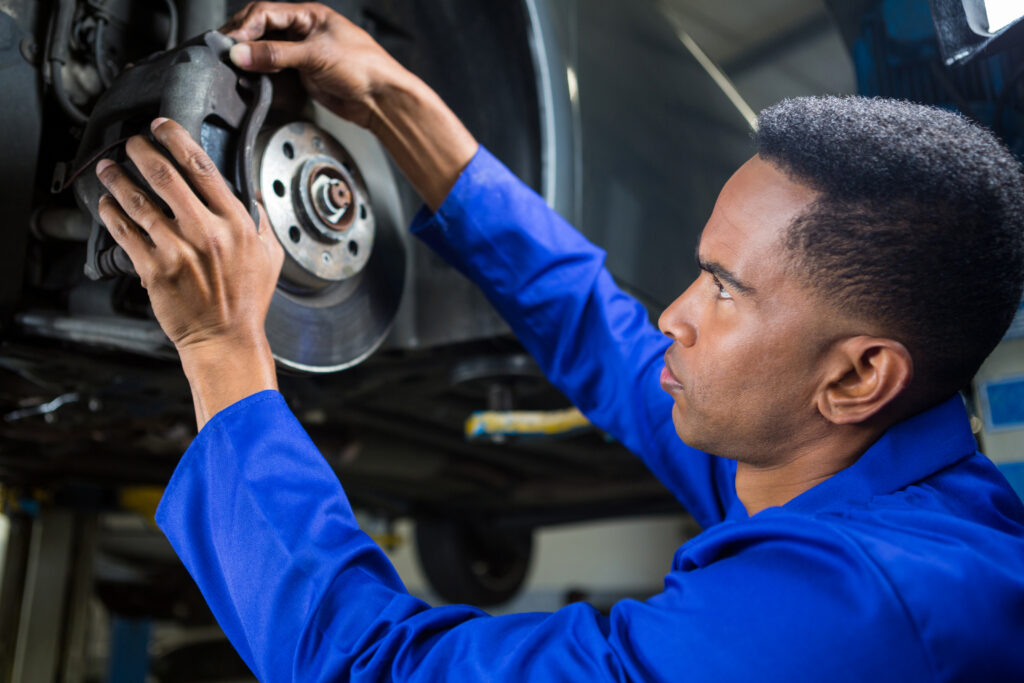
Brake rotors are responsible for slowing down the wheels when you press the brake pedal. Over time, heat and friction can cause rotors to warp. When rotors are uneven, the brake pads cannot make consistent contact, causing the steering wheel to vibrate as you come to a stop.
2. Worn Brake Pads
Old or unevenly worn brake pads can also create vibrations during braking. As the pads make inconsistent contact with the rotors, the steering wheel vibrates, especially at low speeds or when stopping from a higher speed.
3. Suspension or Steering Issues
Loose or worn suspension components—like tie rods, ball joints, or control arms—can cause your steering wheel to vibrate. While these issues may be more noticeable when driving over bumps, they can also manifest when braking or stopping.
4. Tire Problems
Unbalanced or unevenly worn tires can contribute to a shaking steering wheel. If your steering wheel vibrates only at low speeds, especially during stops, it may indicate uneven tire wear or alignment issues affecting braking.
5. Engine and Drivetrain Issues
Although less common, problems with engine mounts or drivetrain components can cause vibrations to travel through the vehicle and into the steering wheel when stopping.
Symptoms Associated With Steering Wheel Vibration
When your steering wheel vibrates, it may be accompanied by other symptoms that help identify the root cause:
● Pulsation in the brake pedal when stopping
● Squealing or grinding noise from the brakes
● Pulling to one side while braking
● Uneven tire wear
● Loose or shaky feeling in the steering
These signs indicate it’s time for a thorough inspection to pinpoint why the steering wheel vibrates.
Risks of Ignoring Steering Wheel Vibrations
Ignoring a steering wheel vibrates issue can lead to:
● Accelerated brake wear or failure
● Premature tire wear
● Damage to suspension or steering components
● Reduced vehicle control and safety
Prompt attention helps prevent further damage and ensures safe driving conditions.
How to Fix Steering Wheel Vibrations
Repairing the cause of a steering wheel vibrates problem depends on the source:
● Brake Rotor Warping: Resurfacing or replacing rotors restores smooth braking and stops vibration.
● Worn Brake Pads: Replacing old or uneven pads eliminates inconsistent contact and reduces shaking.
● Suspension Issues: Tightening or replacing worn components improves stability.
● Tire Problems: Balancing tires, rotating them, or replacing worn tires ensures even contact with the road.
● Alignment: A proper wheel alignment prevents uneven braking forces and reduces vibrations.
Professional inspection is recommended to identify the exact cause and determine the most effective repair.
Preventing Steering Wheel Vibrations
● Maintain your brakes with regular inspections and timely replacements
● Rotate and balance tires according to manufacturer recommendations
● Inspect suspension and steering components periodically
● Avoid aggressive braking whenever possible
Preventive maintenance minimizes the chances that your steering wheel vibrates, ensures smooth handling, and extends the life of your braking and suspension systems.
Conclusion
If your steering wheel vibrates when you stop, the problem is usually related to warped brake rotors, worn brake pads, suspension issues, or tire problems. While some minor vibrations are normal in older vehicles, persistent shaking should never be ignored.
Addressing the cause early protects your brakes, tires, and suspension, and ensures safe driving. If your steering wheel vibrates, schedule a professional inspection immediately to diagnose and fix the problem before it worsens.
If you have any questions, you can ask our mechanics on a live chat here or download our mobile app from Apple AppStore and Google Playstore. You can also download our G-OBD AI Diagnostics App on Playstore here.
Leave a Reply