
A radiator fluid leak is a serious car problem that should never be ignored. Radiator fluid, also known as coolant or antifreeze, plays a critical role in regulating engine temperature. When this fluid leaks, your engine loses its ability to cool itself properly, which can quickly lead to overheating and severe engine damage.
In this article, we’ll explain what happens when radiator fluid leaks, the symptoms to watch out for, the risks involved, and why timely repairs are essential.
Table of Contents
What Is Radiator Fluid/Coolant and Why Is It Important?
Radiator coolant circulates through the engine and radiator to absorb excess heat and prevent the engine from overheating. It also protects engine components from corrosion, freezing, and scale buildup.
Without adequate radiator coolant, the cooling system cannot function effectively, making the engine vulnerable to extreme heat and internal damage. A radiator fluid leak disrupts this balance and places the entire engine at risk.
What Happens When There Is a Radiator Fluid/Coolant Leak?
1. Engine Overheating
The most immediate consequence of a radiator coolant leak is engine overheating. As coolant levels drop, the engine cannot maintain a safe operating temperature.
Signs include:
● Temperature gauge rising rapidly
● Steam coming from under the hood
● Burning or sweet smell from coolant
Prolonged overheating can warp engine components and cause irreversible damage.
2. Reduced Engine Performance
When the engine runs hotter than normal, its performance declines. The car may feel sluggish, struggle to accelerate, or enter “limp mode” to protect itself from further damage.
A radiator coolant leak forces the engine to work harder, increasing strain on internal components.
3. Blown Head Gasket Risk
If overheating continues due to a coolant leak, the head gasket may fail. A blown head gasket allows coolant to mix with engine oil or leak into the combustion chamber.
Warning signs include:
● White smoke from the exhaust
● Milky or foamy engine oil
● Rapid coolant loss without visible leaks
Head gasket repairs are expensive and often avoided by fixing a radiator fluid leak early.
4. Engine Seizure
In severe cases, continuous overheating caused by a coolant leak can lead to engine seizure. Metal components expand excessively due to heat, causing them to lock up.
Once an engine seizes, repairs are usually extensive or may require a full engine replacement.
5. Damage to Cooling System Components
Low coolant levels increase stress on other cooling system parts, including:
● Thermostat
● Radiator hoses
● Heater core
A simple radiator fluid leak can turn into multiple component failures if left untreated.
6. Coolant Contamination and Corrosion
Radiator fluid also prevents rust and corrosion inside the engine. When coolant leaks out and air enters the system, internal metal parts can corrode.
This corrosion can clog radiator passages, reduce cooling efficiency, and worsen overheating problems.
Common Symptoms of a Radiator Fluid Leak
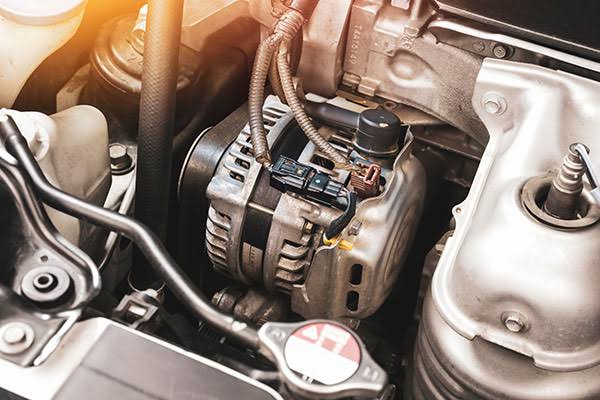
Recognizing a coolant early can prevent major repairs. Common symptoms include:
● Puddles of green, orange, or pink fluid under the car
● Low coolant warning light
● Sweet or syrup-like smell
● Frequent need to top up coolant
● Engine temperature rising unexpectedly
● Steam from the engine bay
Any of these signs indicate the need for immediate inspection.
What Causes Radiator Fluid/Coolant Leaks?
Coolant leaks can occur for several reasons:
● Cracked or corroded radiator
● Damaged radiator hoses
● Loose or worn hose clamps
● Failing water pump
● Cracked coolant reservoir
Age, wear and tear, overheating, and poor maintenance are common contributors.
Is It Safe to Drive with a Radiator Fluid Leak?
Driving with a coolant leak is not safe. Even small leaks can worsen quickly, leading to overheating and engine failure. Short trips may still cause damage, especially in hot weather or heavy traffic.
If you suspect a coolant leak:
● Stop driving as soon as it’s safe
● Allow the engine to cool completely
● Check coolant levels only when the engine is cold
● Seek professional repair immediately
How to Prevent Radiator Fluid Leaks
Preventive maintenance helps reduce the risk of a coolant leak:
● Regularly check coolant levels
● Inspect hoses and clamps for cracks or wear
● Flush and replace coolant according to manufacturer recommendations
● Watch the temperature gauge while driving
● Address overheating issues promptly
Routine inspections can catch small problems before they turn into major failures.
Conclusion
A radiator fluid leak can have serious consequences, ranging from engine overheating and reduced performance to blown head gaskets and complete engine failure. Because radiator fluid is essential for cooling and protecting the engine, even a minor leak should be treated as an urgent issue.
By recognizing early warning signs, performing regular maintenance, and addressing leaks promptly, you can protect your engine, avoid expensive repairs, and keep your vehicle running safely and efficiently.
If you have any questions, you can ask our mechanics on a live chat here or download our mobile app from Apple AppStore and Google Playstore. You can also download our G-OBD AI Diagnostics App on Playstore here.
Leave a Reply