
Tyres are one of the most crucial components of any vehicle. They provide traction, stability, and safety on the road. Proper tyre care ensures that your vehicle performs optimally, reduces the risk of accidents, and extends the life of your tyres. Understanding how tyre maintenance is done and when to schedule a car tyre service can save you money and improve overall driving safety.
In this guide, we’ll cover all aspects of tyre maintenance, including inspections, rotations, balancing, alignment, pressure checks, and tips to keep your tyres in top condition.
Table of Contents
What Is Tyre Maintenance?
Tyre maintenance involves all the tasks necessary to ensure that your tyres are functioning properly and safely. This includes monitoring tyre pressure, inspecting tread depth, rotating tyres, checking alignment, and repairing damage when needed. Regular car tyre service helps prevent uneven wear, improves fuel efficiency, and ensures your vehicle handles correctly in all conditions.
Neglecting tyre maintenance can lead to decreased performance, increased fuel consumption, poor handling, and a higher risk of tyre blowouts or accidents.
Key Components of Tyre Maintenance
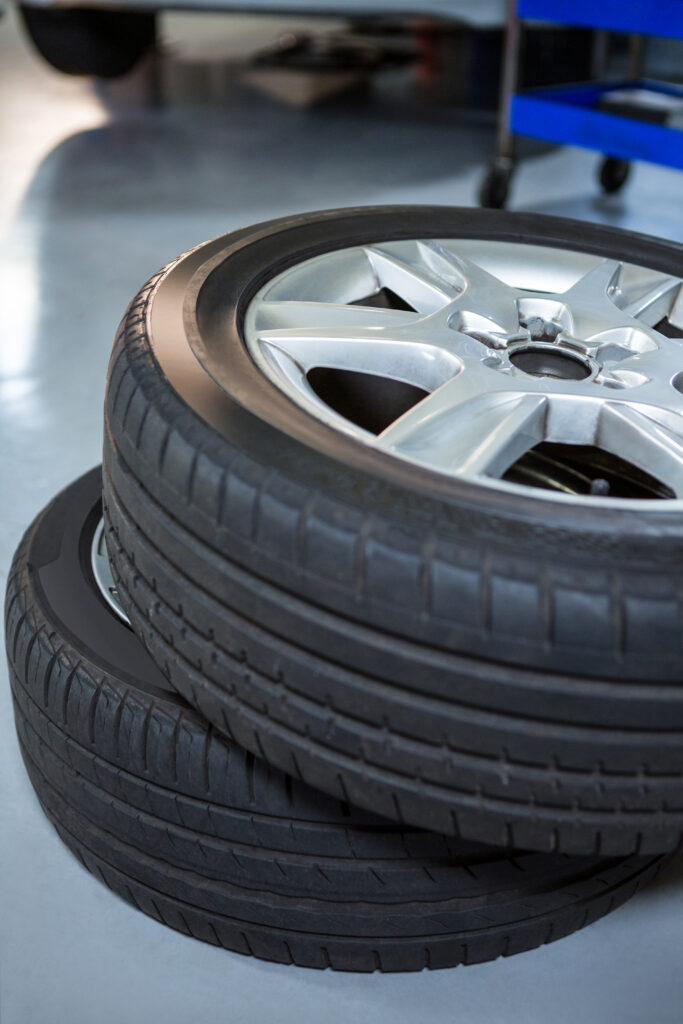
1. Regular Tyre Inspections
A key part of car tyre service is regular inspection. This involves:
Checking Tread Depth: Tyres should have at least 1.6mm of tread across the main grooves. Low tread depth reduces grip, especially on wet or slippery roads.
Looking for Damage: Inspect for cuts, punctures, bulges, cracks, or embedded objects. Even minor damage can compromise safety if left unchecked.
Monitoring Tyre Wear: Uneven wear may indicate alignment issues, improper inflation, or suspension problems.
Regular inspections help detect problems early and prevent costly repairs.
2. Tyre Pressure Checks
Maintaining the correct tyre pressure is essential for safety and performance. Underinflated tyres can cause poor fuel efficiency, increased wear, and reduced handling. Overinflated tyres can lead to reduced traction and uneven tread wear.
During a car tyre service, technicians use a pressure gauge to ensure that each tyre meets the manufacturer’s recommended PSI. They also check for slow leaks or valve damage.
3. Tyre Rotation
Tyre rotation is a critical part of tyre maintenance. It involves moving tyres from one position to another on the vehicle to ensure even wear. Tyres wear differently depending on whether they are on the front or rear axle and based on the vehicle’s drivetrain (FWD, RWD, AWD).
A proper rotation pattern reduces uneven wear, extends tyre life, and improves handling and safety. Most manufacturers recommend rotating tyres every 5,000 to 8,000 miles.
4. Wheel Alignment
Misaligned wheels can cause uneven tyre wear and affect vehicle handling. During a car tyre service, wheel alignment is checked to ensure that tyres are positioned correctly relative to the road and each other.
Proper alignment improves handling, reduces vibration, and ensures tyres wear evenly. Alignment checks are especially important if you notice your car pulling to one side or after hitting a pothole or curb.
5. Tyre Balancing
Tyre balancing is another key part of tyre maintenance. Imbalanced tyres can cause vibrations, uneven wear, and stress on suspension components.
During a balancing service, technicians add small weights to the tyre rim to ensure even weight distribution around the tyre. Balanced tyres provide a smoother ride and longer tyre lifespan.
6. Tyre Repairs and Replacements
If a tyre is punctured, damaged, or worn beyond safe limits, a car tyre service may include repair or replacement.
Puncture Repair: Small punctures in the tread area can often be repaired using plugs or patches.
Tyre Replacement: Worn, cracked, or damaged tyres must be replaced to ensure safety. Regular maintenance helps reduce the frequency of replacements but cannot prevent them entirely.
7. Seasonal Tyre Considerations
In some regions, seasonal tyres are recommended:
Winter Tyres: Offer better traction in snow and ice.
Summer Tyres: Optimized for dry and wet road conditions.
All-Season Tyres: Provide balanced performance year-round.
Part of a complete car tyre service involves switching tyres when necessary and ensuring the correct tyre type for seasonal conditions.
Benefits of Regular Tyre Maintenance
Regular tyre maintenance offers numerous advantages:
- Enhanced Safety: Properly maintained tyres reduce the risk of blowouts, skidding, and accidents.
- Improved Fuel Efficiency: Correct tyre pressure and even wear reduce rolling resistance, saving fuel.
- Longer Tyre Lifespan: Routine maintenance prevents uneven wear and extends the life of tyres.
- Better Handling: Well-maintained tyres improve steering response, braking, and stability.
- Cost Savings: Preventing damage and early replacements saves money in the long run.
Signs That Your Tyres Need Maintenance
Even with regular service, it’s important to watch for warning signs:
Tyre tread looks worn or uneven
Vehicle pulls to one side
Vibration while driving
Cracks, bulges, or punctures on the tyre surface
Reduced braking or handling performance
If you notice any of these signs, scheduling a car tyre service immediately can prevent accidents and further tyre damage.
DIY Tyre Maintenance Tips
While professional car tyre service is essential, you can perform basic maintenance at home:
Check tyre pressure monthly using a pressure gauge.
Inspect tyres for visible damage and tread depth.
Keep tyres clean from debris, salt, or oil that can degrade rubber.
Rotate tyres if you have the proper tools and knowledge.
Combining DIY checks with professional service ensures maximum tyre life and safety.
Conclusion
Tyre maintenance is a critical part of vehicle care. A thorough car tyre service includes inspections, tyre pressure checks, rotations, alignment, balancing, and repairs or replacements when necessary. Regular maintenance not only improves safety but also enhances performance, fuel efficiency, and tyre lifespan.
By understanding how tyre maintenance is done and keeping up with regular service, drivers can ensure their vehicles remain safe, reliable, and comfortable on the road. Don’t wait for tyre issues to become urgent—prioritize regular maintenance to protect yourself and your vehicle.
If you have any questions, you can ask our mechanics on a live chat here or download our mobile app from Apple AppStore and Google Playstore. You can also download our G-OBD AI Diagnostics App on Playstore here.
Leave a Reply