
An engine misfire is one of the most common problems vehicle owners experience, yet it is often misunderstood. When an engine misfires, one or more cylinders fail to combust fuel properly, leading to rough running, loss of power, poor fuel efficiency, and potential long-term damage. The good news is that in most cases, an engine misfire fix is possible—especially when the problem is diagnosed early.
Understanding what causes an engine misfire and how it can be repaired helps drivers avoid costly breakdowns and severe engine damage.
Table of Contents
What Is an Engine Misfire?
An engine misfire occurs when the combustion process inside a cylinder is incomplete or fails altogether. For proper combustion to happen, the engine needs the right mix of fuel, air, compression, and spark. If any of these elements are missing or disrupted, the cylinder will misfire.
A misfire may happen intermittently or consistently and can worsen over time if not addressed. Identifying the root cause is the first step toward an effective engine misfire fix.
Common Symptoms of an Engine Misfire
A misfiring engine usually gives clear warning signs, including:
● Rough or uneven idling
● Jerking or hesitation during acceleration
● Reduced engine power
● Poor fuel economy
● Flashing or steady check engine light
● Strong fuel smell from the exhaust
Ignoring these symptoms can allow minor issues to turn into major engine damage, making the engine misfire fix more expensive and complex.
Can a Misfiring Engine Be Fixed?
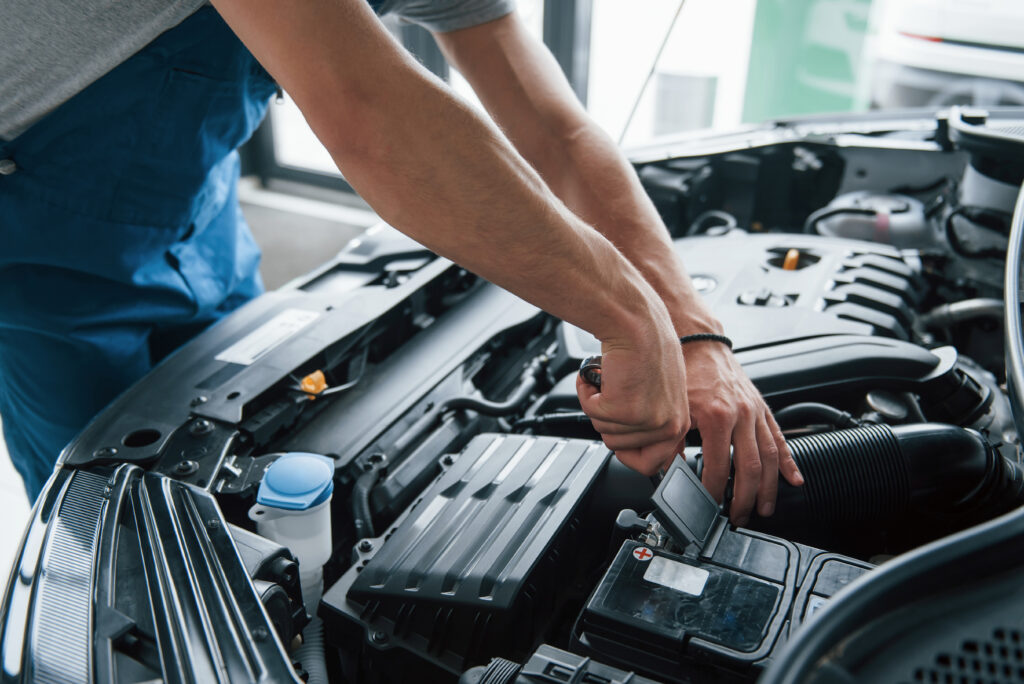
Yes, in most cases a misfiring engine can be fixed. The success of an engine misfire fix depends on how quickly the problem is diagnosed and whether the underlying cause has already damaged engine components.
Simple misfires caused by ignition or fuel delivery issues are often inexpensive to repair. However, misfires caused by internal engine damage may require extensive repairs.
Most Common Causes of Engine Misfires
Faulty Spark Plugs or Ignition Coils
Worn or damaged spark plugs are one of the leading causes of engine misfires. Ignition coils can also fail over time, preventing proper spark delivery.
Replacing these components is one of the most straightforward and affordable engine misfire fix solutions.
Fuel System Problems
An engine needs a precise amount of fuel to combust properly. Clogged fuel injectors, low fuel pressure, or a failing fuel pump can disrupt fuel delivery and cause misfires.
Fuel system repairs or injector cleaning often resolve this type of misfire.
Air Intake Issues
Vacuum leaks, dirty air filters, or malfunctioning mass airflow sensors can disturb the air-fuel ratio. When too much or too little air enters the engine, combustion becomes unstable.
Fixing air intake problems is a common and effective engine misfire fix.
Low Engine Compression
Compression loss caused by worn piston rings, damaged valves, or a blown head gasket can result in persistent misfires.
In these cases, the engine misfire fix becomes more complex and may involve engine teardown or major internal repairs.
Faulty Engine Sensors
Modern vehicles rely on sensors to manage fuel injection and ignition timing. Malfunctioning sensors—such as oxygen sensors or crankshaft position sensors—can cause misfires even when mechanical parts are functioning properly.
Replacing faulty sensors often restores smooth engine operation.
Is It Safe to Drive With a Misfiring Engine?
Driving with a misfiring engine is risky. Continued driving can:
● Damage the catalytic converter
● Increase fuel consumption
● Cause overheating
● Lead to severe engine damage
Delaying an engine misfire fix increases repair costs and the likelihood of complete engine failure.
How Long Does an Engine Misfire Fix Take?
Repair time depends on the cause of the misfire. Simple fixes like spark plug replacement may take less than an hour. Fuel system or sensor issues can take a few hours. Internal engine repairs may take several days.
Early diagnosis significantly reduces downtime and repair expenses.
Can Engine Misfires Be Prevented?
Regular maintenance plays a major role in preventing engine misfires. Key preventive measures include:
● Replacing spark plugs at recommended intervals
● Using quality fuel
● Maintaining the fuel and air intake systems
● Addressing warning lights promptly
Preventive care minimizes the need for major engine misfire fix procedures.
When to See a Professional Mechanic
If a check engine light is flashing or the misfire is severe, professional diagnosis is essential. Advanced diagnostic tools are often required to pinpoint the exact cause of the misfire.
Attempting to ignore or mask the problem can result in long-term damage that makes the engine misfire fix far more expensive.
Conclusion
A misfiring engine can usually be fixed, especially when addressed early. From ignition system faults to fuel delivery issues and sensor failures, most causes have practical and effective repair solutions. However, allowing a misfire to persist increases the risk of serious engine damage.
If your vehicle shows signs of misfiring, prompt diagnosis and a proper engine misfire fix will restore performance, improve fuel efficiency, and extend the life of your engine.
If you have any questions, you canask our mechanics on a live chathere or download our mobile app fromApple AppStore andGoogle Playstore. You can also download our G-OBD AI Diagnostics App on Playstore here.
Leave a Reply