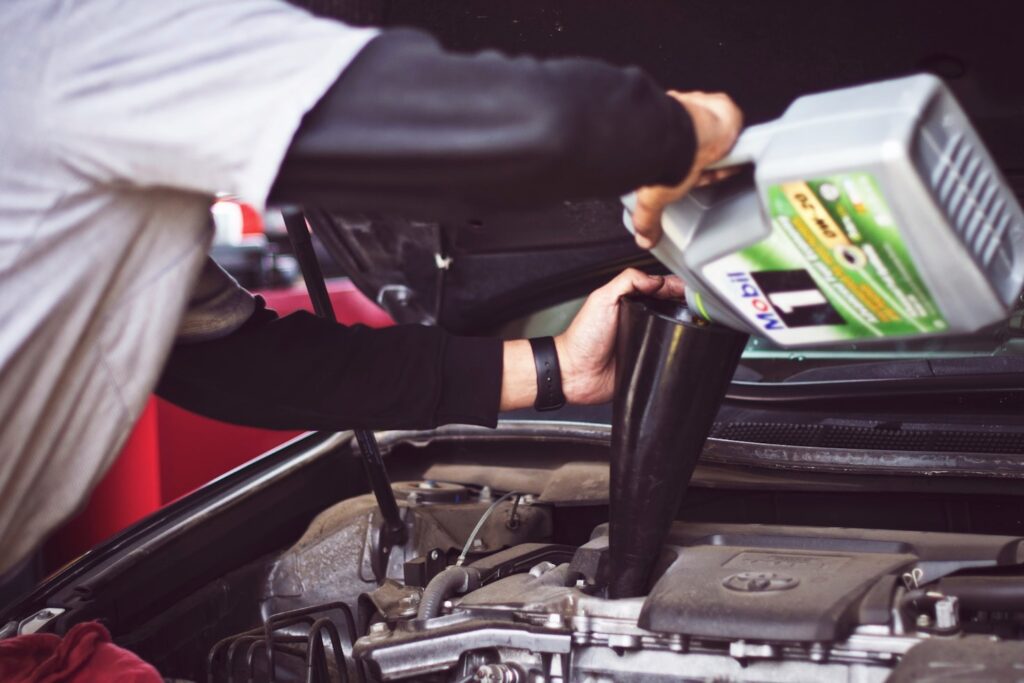
Brake fluid is one of the most overlooked yet essential components of your vehicle’s braking system. Without it, your brakes cannot function properly, and your safety is compromised. Many drivers ask: Can I refill my brake fluid myself? The answer is yes, but it requires caution, the right product, and proper knowledge. If your car uses Dot3 brake fluid, understanding how to handle it correctly is key to keeping your vehicle safe and reliable.
Table of Contents
What Is Dot3 Brake Fluid?
Dot3 brake fluid is a glycol-based fluid commonly used in most cars and light trucks. It has a high boiling point, making it effective in transferring hydraulic pressure from the brake pedal to the brake components. However, Dot3 brake fluid is hygroscopic, meaning it absorbs moisture over time. This reduces its effectiveness and makes regular checks and refills essential.
Can You Refill Brake Fluid Yourself?
Yes, you can refill brake fluid on your own, but it must be done carefully.
Here’s what you need to know:
- Identify the Correct Fluid: Always check your owner’s manual to confirm that your vehicle requires Dot3 brake fluid. Using the wrong type can damage your braking system.
- Locate the Reservoir: The brake fluid reservoir is usually found near the back of the engine bay, close to the firewall.
- Check Fluid Levels: If the fluid is below the minimum line, it’s time to add more.
- Add Carefully: Pour Dot3 brake fluid slowly to avoid spills. Brake fluid can damage paint and other surfaces.
- Do Not Overfill: Keep the fluid level between the minimum and maximum lines.
Common Mistakes When Refilling Brake Fluid
While refilling Dot3 brake fluid is straightforward, many drivers make simple mistakes that can compromise safety and damage the braking system. One of the most frequent errors is using the wrong type of fluid. Mixing Dot3 with other brake fluids, such as Dot 4 or Dot 5, can cause chemical reactions that damage seals and reduce braking efficiency. Always double‑check your owner’s manual before adding fluid.
Another mistake is overfilling the reservoir. Brake fluid expands when heated, and too much fluid can lead to leaks or pressure issues. Keeping the level between the minimum and maximum lines ensures proper function.
Contamination is also a common problem. Leaving the cap off the reservoir or using an unsealed container allows moisture and dirt to enter, which reduces the fluid’s effectiveness. Since Dot3 brake fluid is hygroscopic, even small amounts of moisture can lower its boiling point and cause brake fade.
Finally, some drivers treat refilling as a permanent fix. In reality, topping up fluid only addresses low levels. If the fluid is dark, cloudy, or contaminated, a full brake fluid change is necessary. Ignoring this step increases the risk of brake failure and costly repairs.
By avoiding these mistakes, you ensure that your brake fluid refill is safe, effective, and supports long‑term vehicle reliability.
When to Refill vs Replace
Refilling is only a temporary solution if your fluid is low. If the fluid looks dark, cloudy, or contaminated, a full brake fluid change is necessary. Since Dot3 brake fluid absorbs moisture, most manufacturers recommend replacing it every two to three years.
Safety Tips for Handling Dot 3 Brake Fluid
- Always use a sealed container to prevent moisture contamination.
- Avoid spilling brake fluid on painted surfaces—it can strip paint.
- Wear gloves to protect your skin.
- Dispose of old fluid properly; never pour it down drains.
So, can you refill your brake fluid yourself?
Yes, but only if you use the correct product and follow proper safety steps. For most vehicles, Dot 3 brake fluid is the standard choice, and keeping it at the right level ensures your brakes remain responsive and safe. While refilling is simple, don’t ignore the need for regular replacement, fresh brake fluid is essential for long-term performance and reliability.
If you have any questions, you can ask our mechanics on a live chat here or download our mobile app from Apple AppStore and Google Playstore. You can also download our G-OBD AI Diagnostics App on Playstore here.
Leave a Reply